
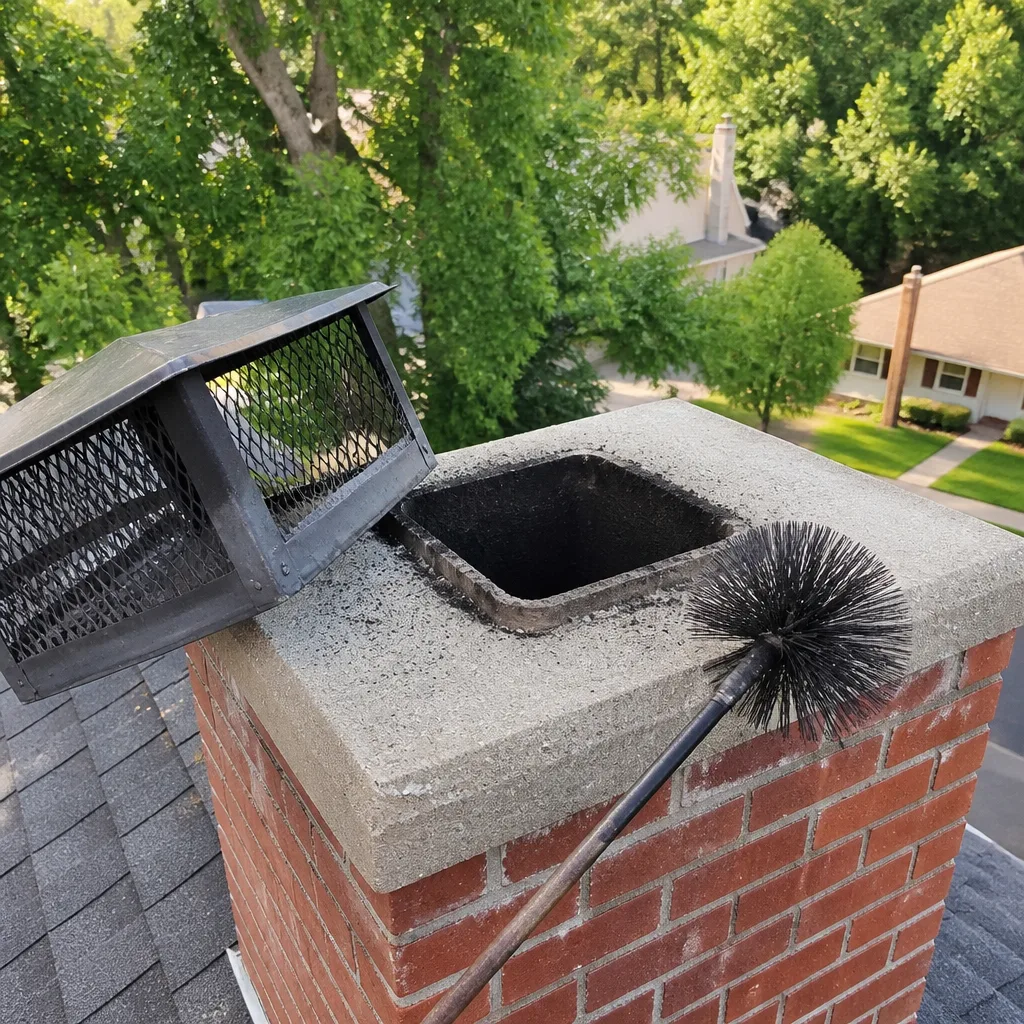
 Sweep & inspection
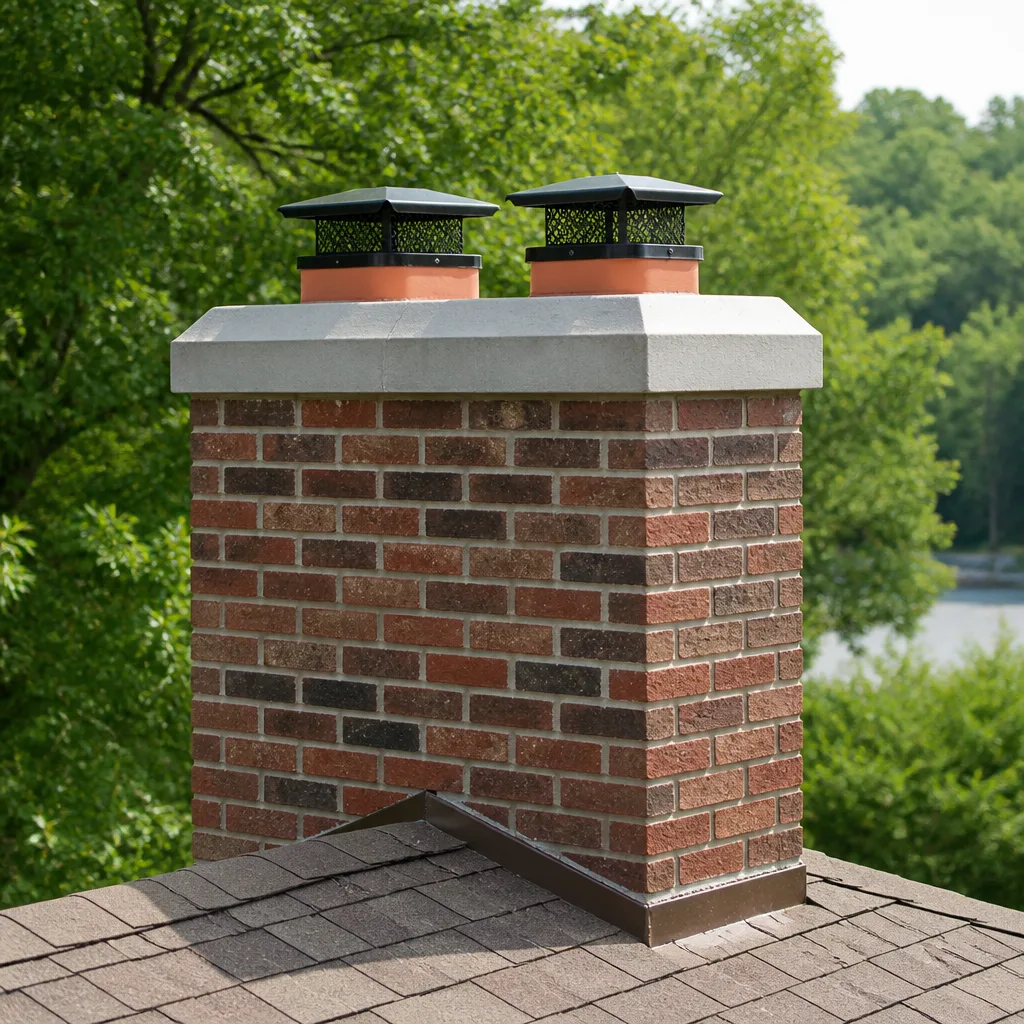 Caps & crowns
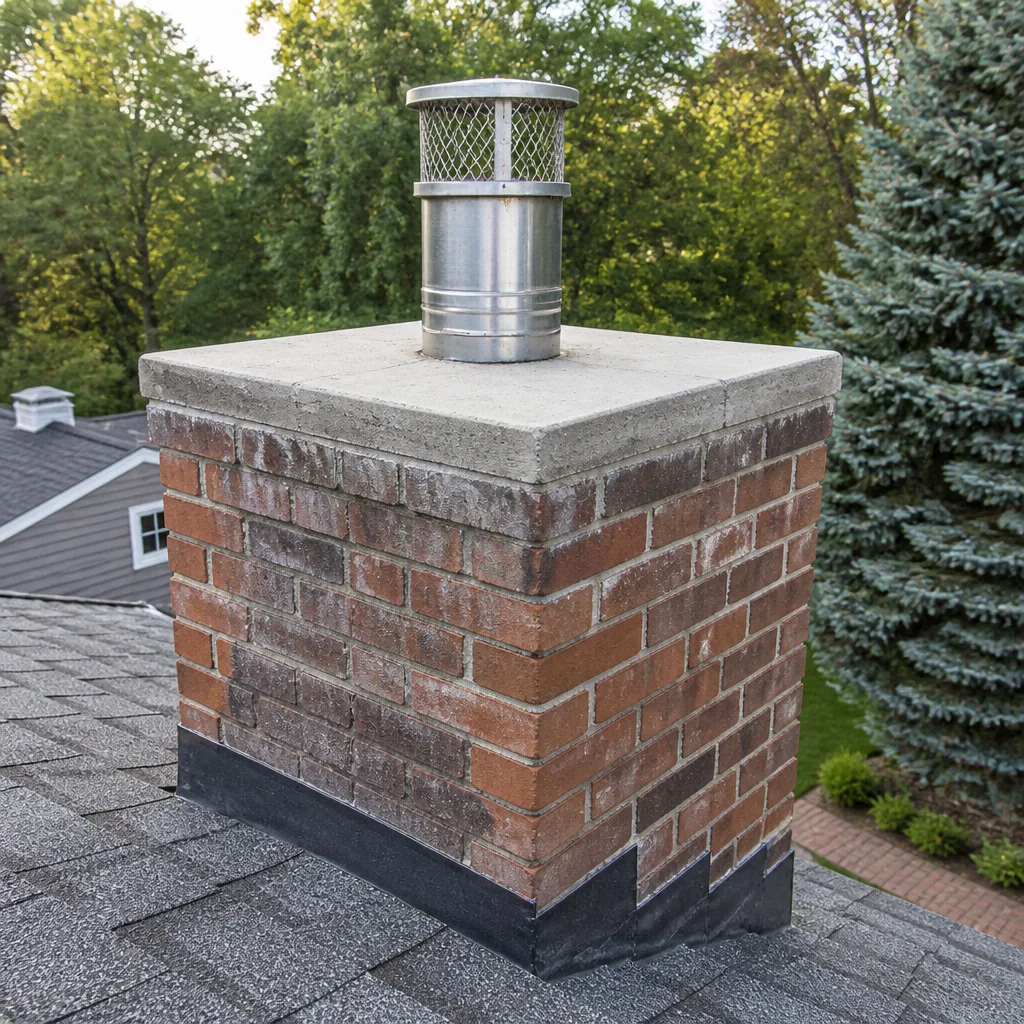 Flue relining
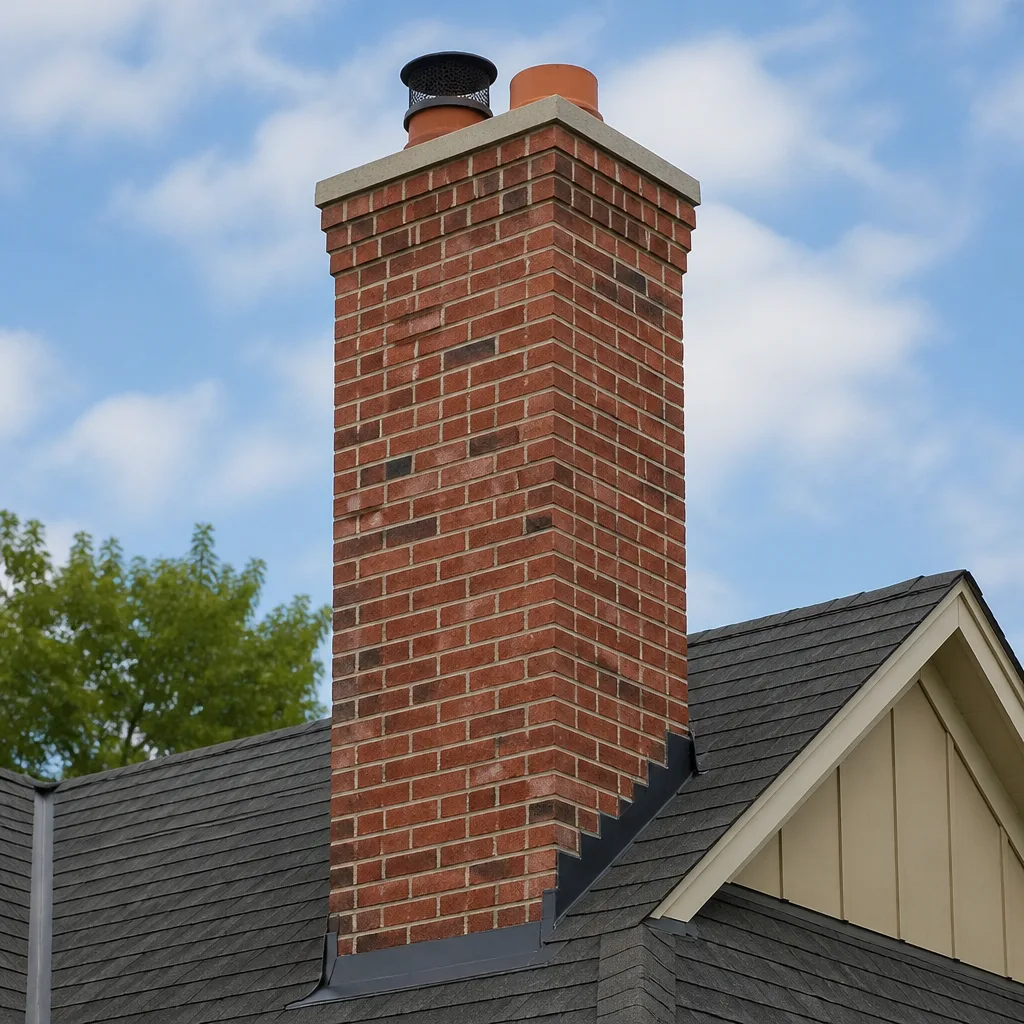 Masonry repair
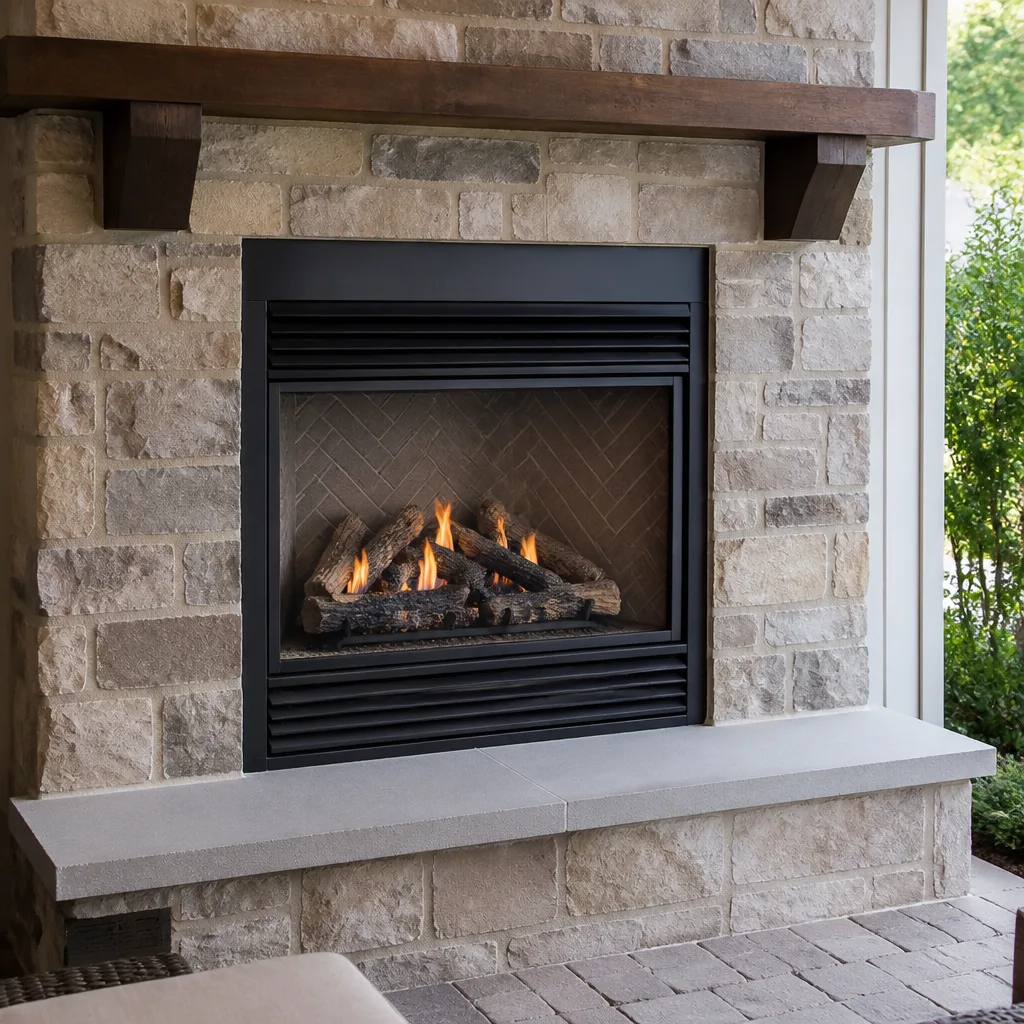 Gas fireplace service
Level 1 sweep and inspection to the NFPA 211 annual standard - flue, crown, cap, and flashing checked and photographed
Chimney sweep logs do not sweep chimneys. They loosen some creosote - which then falls where a brush and vacuum still have to collect it.
Fast, Reliable Chimney Sweep Across West Point
If your wood stove is your main heat through the winter, your chimney works harder than most, and it needs a sweep on a schedule that fits how you actually burn. We handle chimney sweep work for homes across West Point, from the older ranch places along the lakefront and farm edges to the newer two-story subdivisions built as the town grew. West Point’s spot on the Great Salt Lake changes things: damp air off the water and cold settling against the shoreline mean flues stay wetter longer than they do a few miles inland. Call (888) 861-5852 to book a sweep.
Why West Point Homeowners Call Chimney Sweep Layton for Chimney Sweep
West Point sits on the eastern shore of the Great Salt Lake, and that geography shapes our work here more than anything else. Lake-effect snow and cold-air pooling against the water keep flues damper through the winter than in inland Davis County towns, and damp flues hold creosote differently than dry ones. In a home where a wood stove runs as the primary heat source, first- or second-degree creosote can build up in well under a year. That’s the reason we treat the annual sweep as a starting point here, not a fixed rule, and adjust the interval to what the flue actually shows.
We’re familiar with both sides of West Point. The older ranch homes from the area’s farming past often have masonry fireplaces or stoves that have been worked hard for years, and the subdivisions from the 1990s through the 2010s came with a lot of factory-built fireplaces and wood-burning stoves installed when the town filled in. The neighborhood near the shoreline and the farmland-turned-subdivision edges sit in low spots where winter wind off the lake drives snow and moisture at chimney caps and chase covers. We’ve learned to look for rusted caps and damp flues on those streets first.
Styles & brands we work with
- Sweep & inspection
- Caps & crowns
- Flue relining
- Masonry repair
- Gas fireplace service
Our Chimney Sweep Services in West Point
Creosote Removal
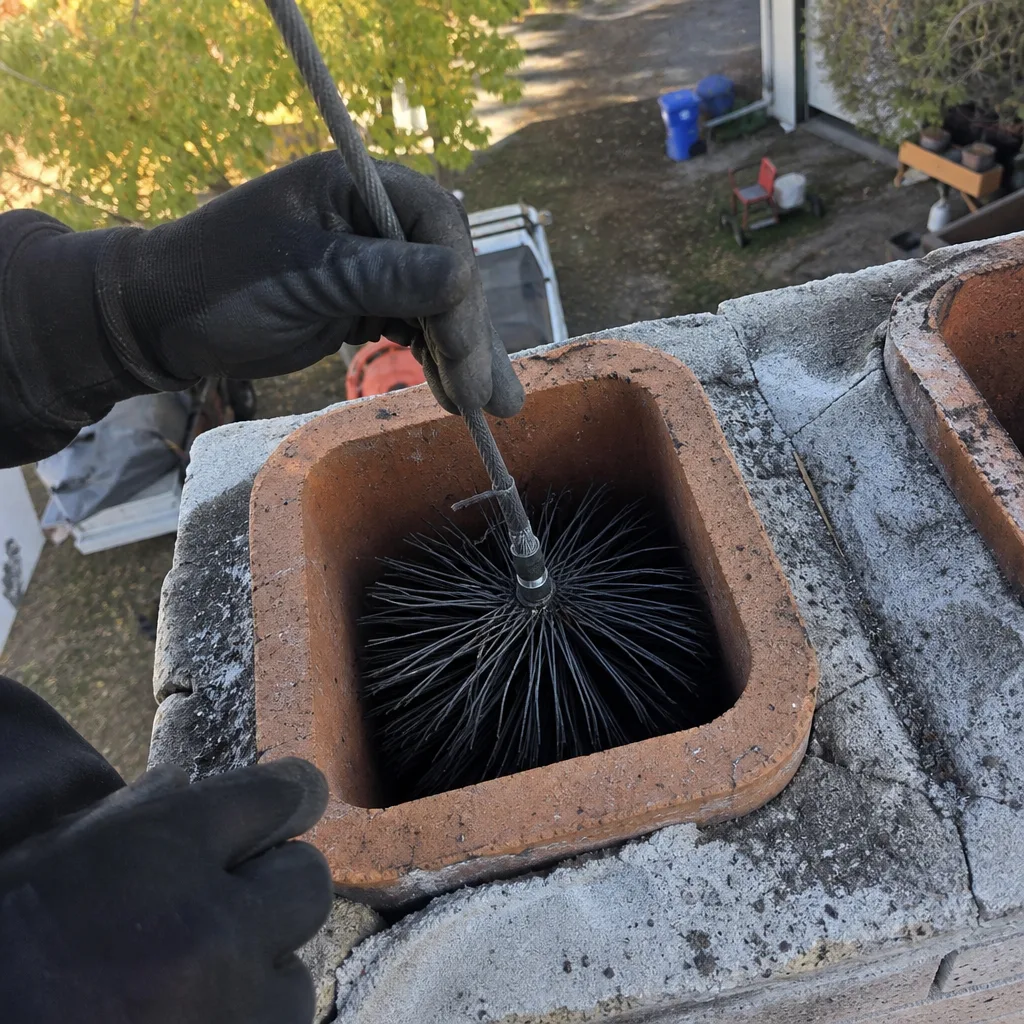
Creosote removal is the service that matters most for a West Point wood stove. The lake-damp air here slows drying and thickens buildup faster than dry inland air, so a flue that looked fine last season can carry second-degree creosote by the end of this one. We remove it with a rotary brush, and where the glazed deposits are stubborn, we can resurface a damaged liner with the HeatShield ceramic system rather than tearing it out.
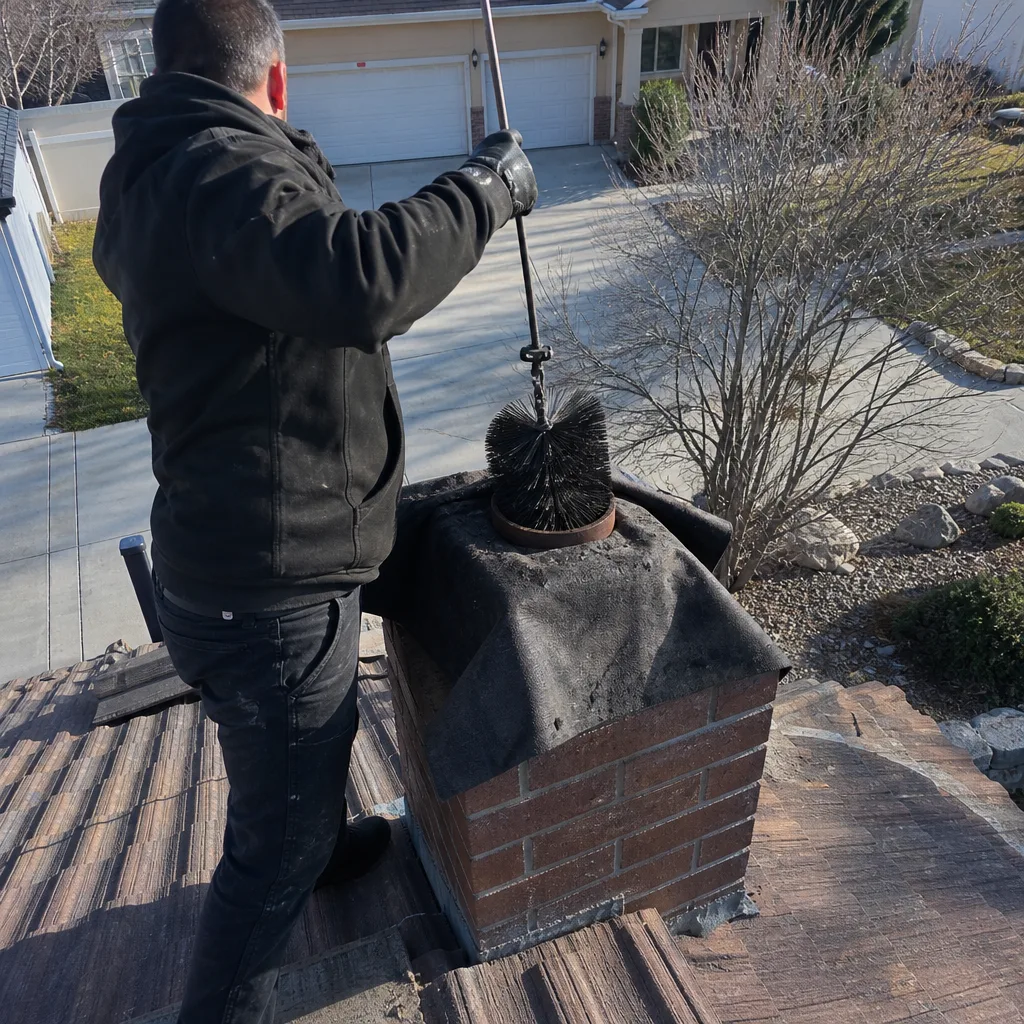
Annual Sweep
An annual sweep keeps a primary-heat stove safe and efficient, but in West Point we’ll often recommend a shorter interval than once a year. How you burn changes the answer. A stove that runs hard on dry wood builds creosote more slowly than one fed damp or unseasoned wood. We tell you what we find and when your next sweep should happen, based on your flue, not a calendar.
Level 2 Inspection
A Level 2 inspection goes deeper than a cleaning, using a camera to look at the full flue liner, the joints, and the areas you can’t see from the firebox. For West Point homes near the lake where wind-driven moisture is common, it’s the way to catch a damp or cracked liner before it becomes a repair. We offer inspections as a standalone service, so you get an honest structural assessment before anyone recommends repair work. A documented report can also be useful for a real estate transaction or an insurance question.
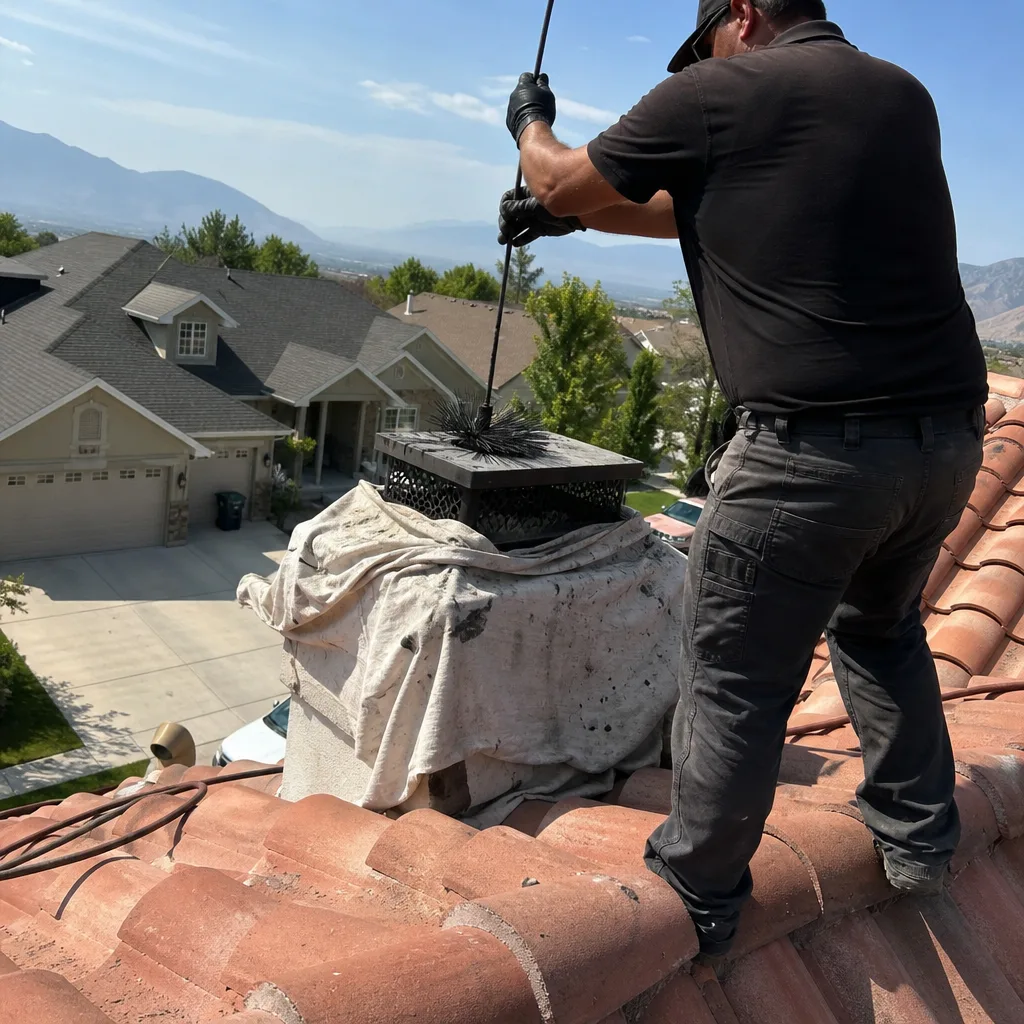
Soot Removal
Soot builds up on the firebox walls, the smoke shelf, and the damper, and a stove that smokes back or has a lazy draft is often telling you the passages are coated. We clean soot out of the firebox and flue as part of a sweep, then check the damper seals properly. A damper that won’t shut tight is a common first sign in West Point that a stove needs attention.
Level 1 Inspection
A Level 1 inspection is the basic visual check with the readily accessible parts of the system, and it’s a sensible pairing with an annual sweep. It confirms the appliance connections, the visible flue, and the cap are sound. If we spot something that calls for a closer look, we’ll tell you why and what a Level 2 would add.
Trusted Brands We Service in West Point
We work with professional-grade chimney product lines, the kinds of materials certified chimney professionals specify rather than hardware-store substitutes. That includes HeatShield for ceramic liner resurfacing, Gelco and Olympia Chimney for liners and components, and Famco for caps and related parts. We don’t claim to stock a warehouse of these in town. What it means for you is that when a West Point home needs a cap replacement or liner work, we can specify the right part and get it, so the fix lasts instead of failing next season. One company handles the sweep, the inspection, the repair, and the cap.
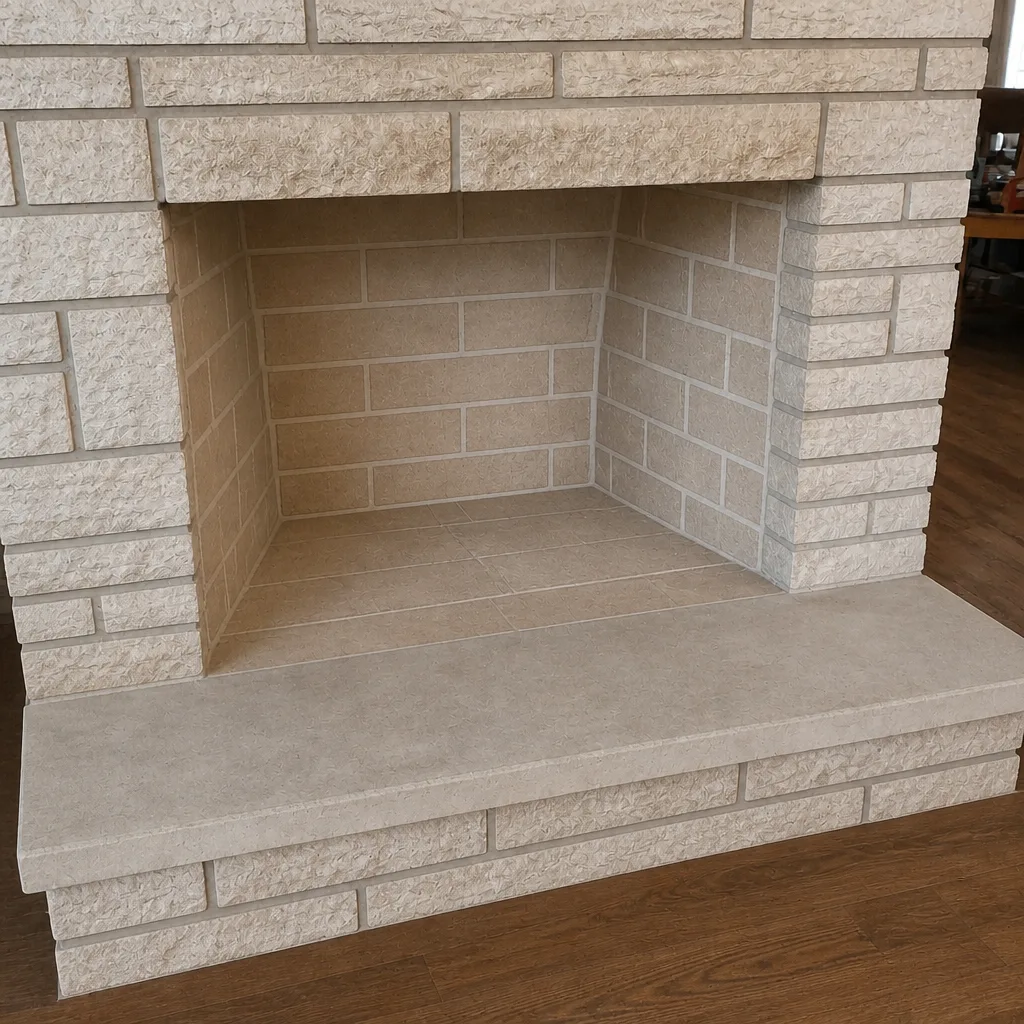
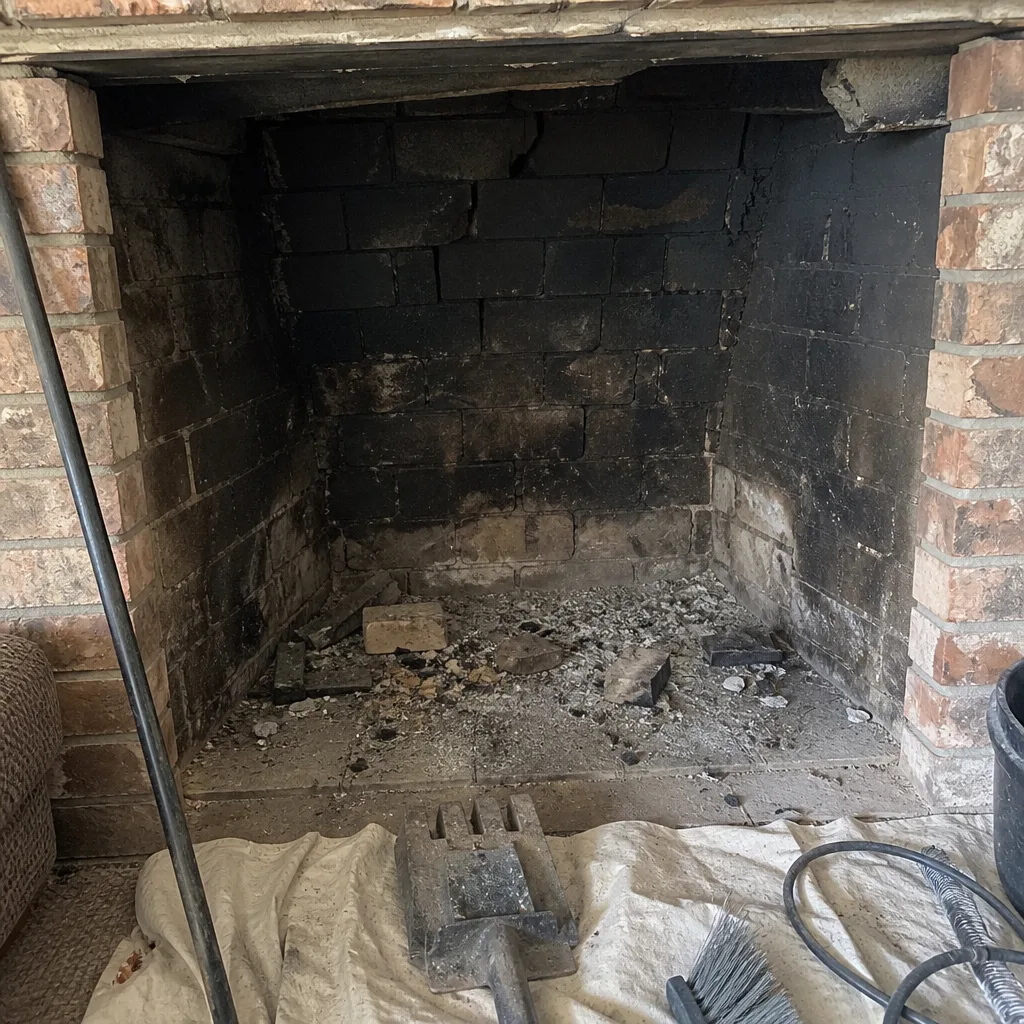
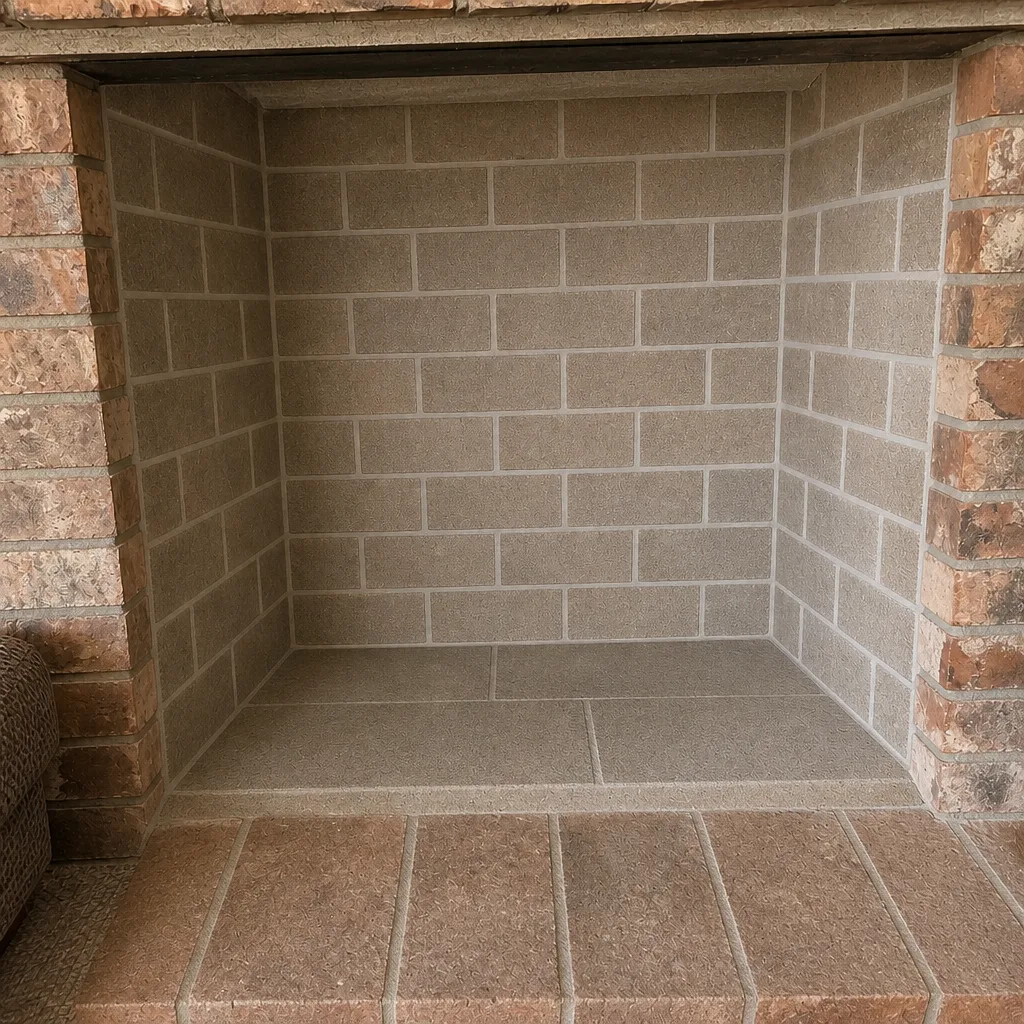
See the difference
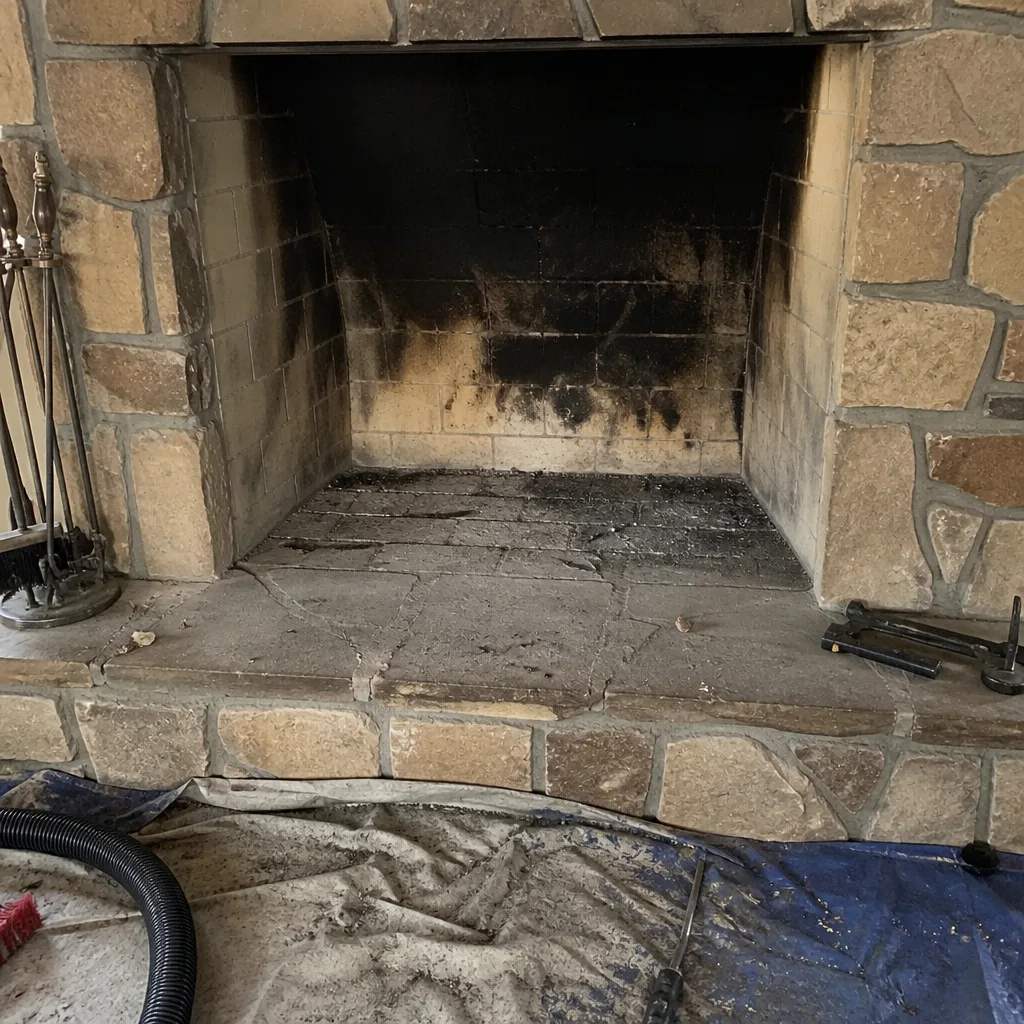 Before
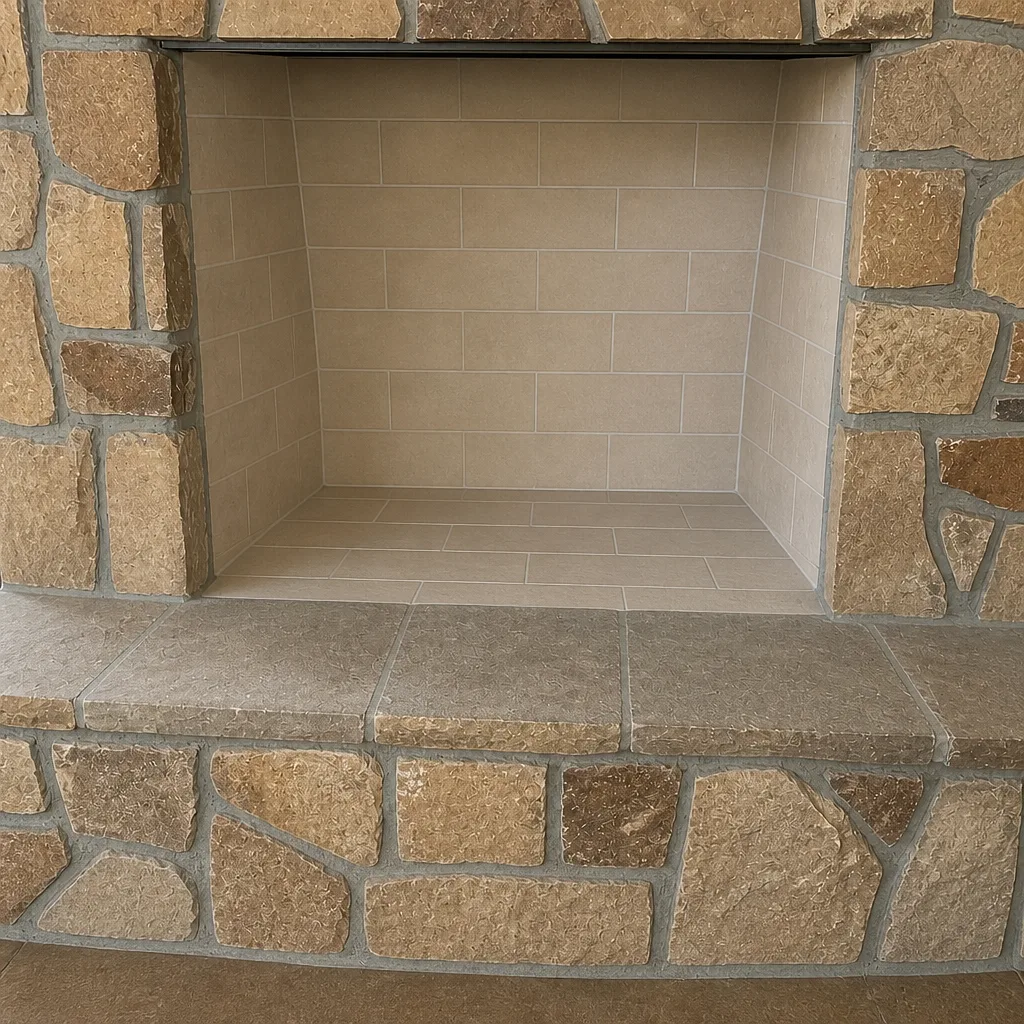 After
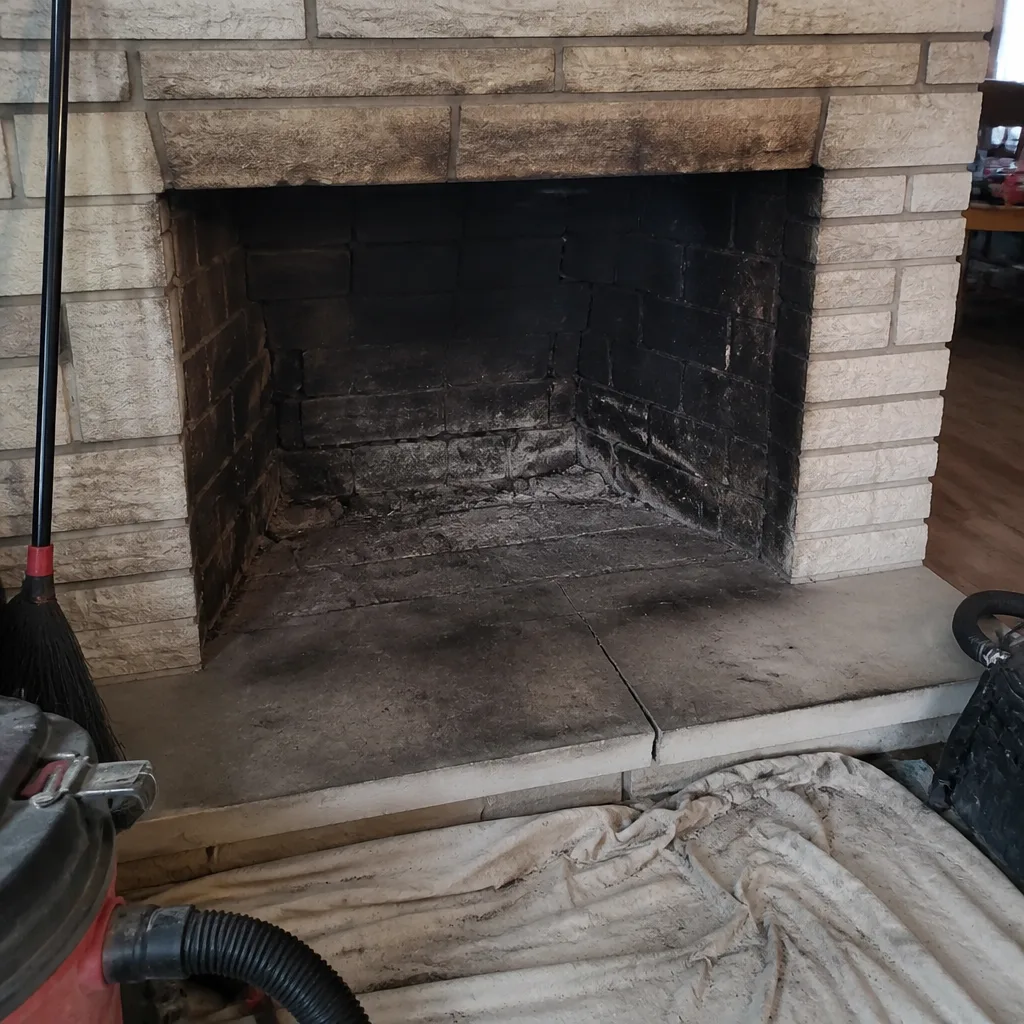 Before
 After
 Before
 After
Common Chimney Sweep Problems We See in West Point Homes
- Assuming an annual sweep is enough. With lake-damp flues and a stove running as primary heat, creosote can reach second-degree in under a year. The safe interval here is often shorter than once a year, and it’s driven by lake proximity, not the general Wasatch Front winter.
- Ignoring a rusted chimney cap or chase cover. Wind-driven snow off the Great Salt Lake works its way into caps and covers in the low spots near the shoreline. Once moisture gets past a rusted cap into the flue liner, a small fix turns into a bigger one.
- Burning unseasoned wood in a primary-heat stove. In West Point’s slow-drying, inversion-prone air, wet wood never really dries down, and it accelerates creosote formation. Burning dry, seasoned wood is the single biggest lever on buildup.
- A damper that won’t seal or a stove with a lazy draft. These are often the first signs that creosote has built up in the flue, not a problem with the stove itself. A sweep usually clears it.
Here’s how a typical West Point job goes. A wood stove used as the main heat through a lake-effect winter often builds creosote faster than the homeowner expects, and the first sign is a sluggish draft or a damper that won’t seal. A qualified sweep typically finds first- or second-degree creosote in the flue liner and a rusted chimney cap from wind-driven moisture, then removes the buildup with a rotary brush and recommends a cap replacement and a shorter sweeping interval.
Pricing for Chimney Sweep in West Point, UT
Prices here are estimates for West Point’s market. A standard sweep and Level 1 inspection on a wood stove or fireplace typically runs $180 to $320. Creosote removal where the buildup is heavier runs $250 to $450, and a Level 2 inspection with a camera typically runs $250 to $400. Liner resurfacing with HeatShield, or a cap replacement on a rusted chase cover, runs higher depending on the flue, usually $600 to $1,800. Longer drives to the rural and lakefront edges don’t change the price; the written estimate sets the final number, and the estimate is free. Call (888) 861-5852.
We Also Serve Cities Near West Point
We also sweep and inspect chimneys in the towns around West Point, including Clinton, Sunset, Syracuse, and South Weber. Each has its own housing mix and its own winter conditions, so the sweeping interval we recommend shifts from town to town. If you’re just over the line from West Point, we can help there too.
Serving West Point, UT – Our Local Coverage Area
We serve West Point and nearby communities. Use the map below to see the area we cover. If you’re nearby, we can almost certainly help.
FAQs – Chimney Sweep in West Point
More often than a Syracuse fireplace, and usually more often than once a year if the stove is your primary heat. Lake-damp air off the Great Salt Lake keeps West Point flues wetter and creosote builds faster than in inland Davis County, so the safe interval here is shorter. We can check your flue and tell you when your next sweep should be. Call (888) 861-5852 for an exact quote.
Because wind-driven snow and moisture off the lake hit caps and chase covers on the low spots near the shoreline, and they stay wet longer. That combination rusts steel caps faster than dry inland air does. If your cap is showing rust, it’s worth replacing before moisture reaches the flue liner. Call (888) 861-5852 to book a look.
First-degree creosote is light and brushes off easily; second-degree is thicker and stickier; third-degree is glazed and hard, and it’s the kind that fuels a chimney fire. A primary-heat stove in West Point can reach second-degree in under a year, so the interval matters. If we find glazed deposits, we can discuss resurfacing with HeatShield. Call (888) 861-5852 for an exact quote.
Sometimes, if the problem is visible in the readily accessible parts, but a Level 2 with a camera is the reliable way to find a damp or cracked liner hidden in the flue. In lake-shore West Point, that extra look is worth it. We offer inspections as a standalone service. Call (888) 861-5852.
Burn dry, seasoned wood, keep the fire hot enough to burn off gases before they condense, and avoid smoldering the stove overnight with the air choked down. Unseasoned wood is the biggest contributor to buildup here, since it never dries fully in the damp air. These practices help, but they don’t replace a sweep. Call (888) 861-5852.
If your stove has been running hard through a lake-effect winter, don’t wait on the sweep. Call (888) 861-5852 for a free estimate. We answer 24/7, and it’s fast dispatch from 7am to 7pm, Sunday through Friday, closed Saturday.
Written by the team at Chimney Sweep Layton.