
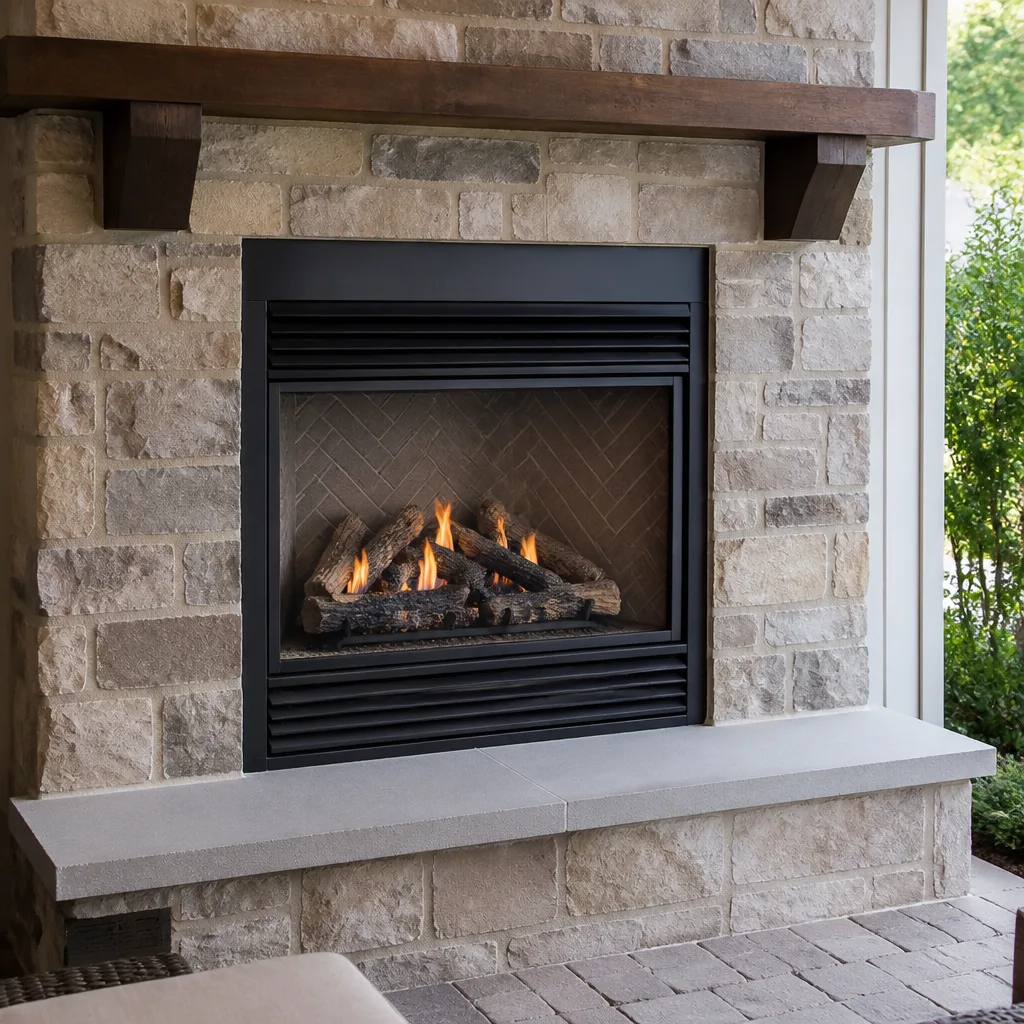
 Gas fireplace service
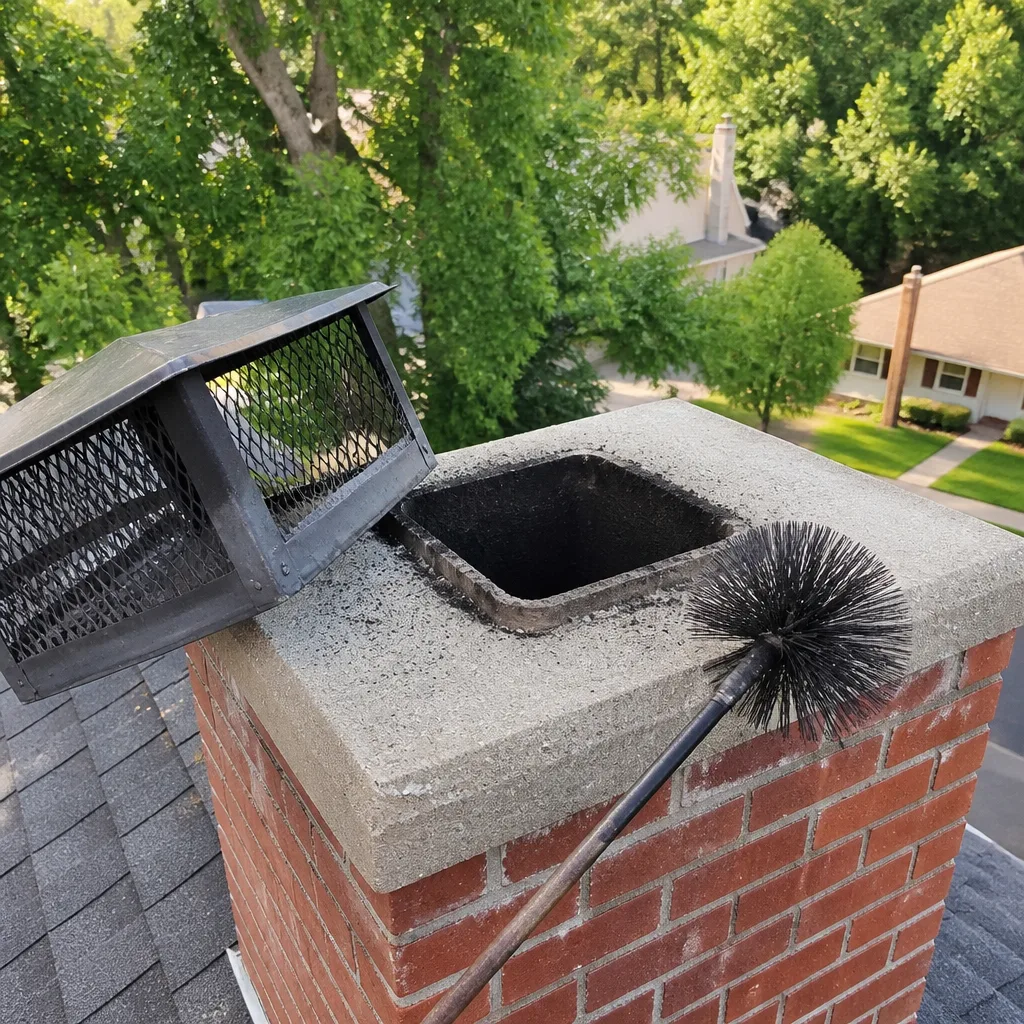 Sweep & inspection
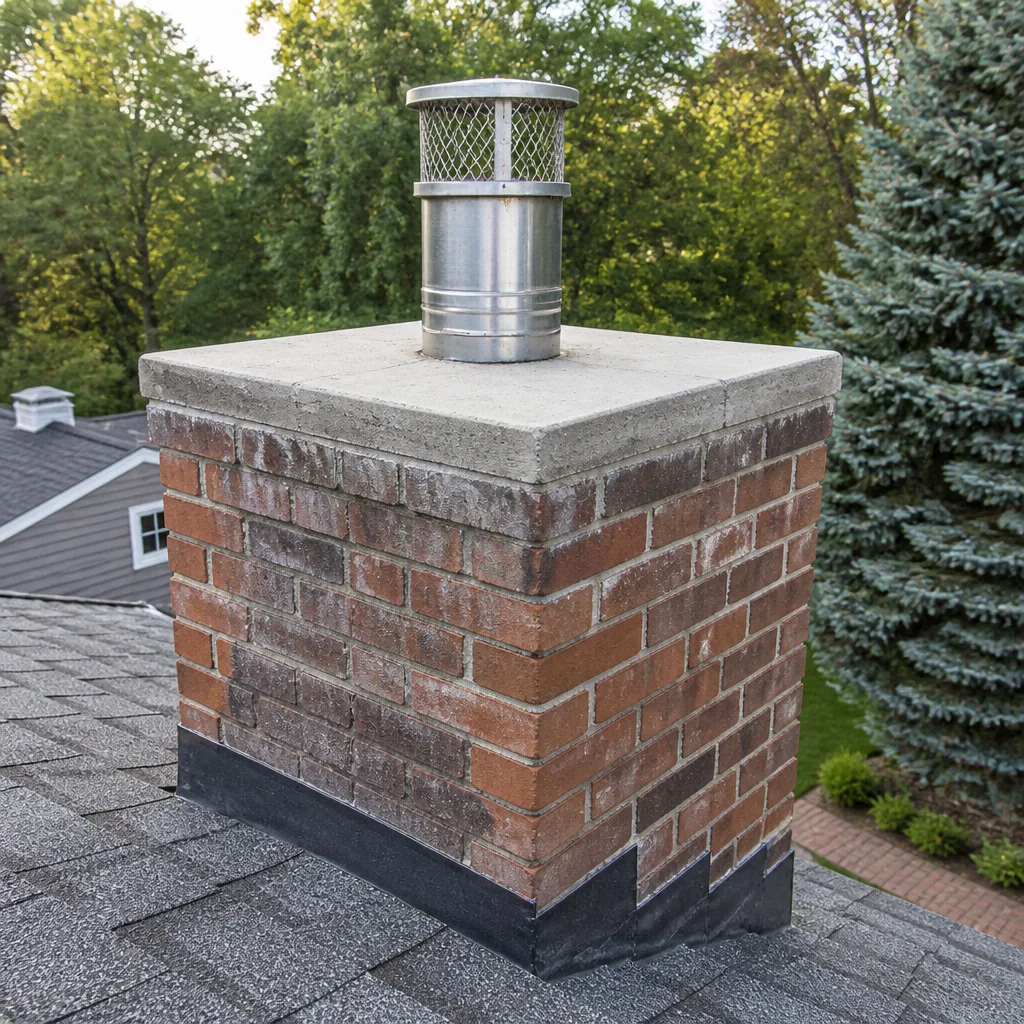
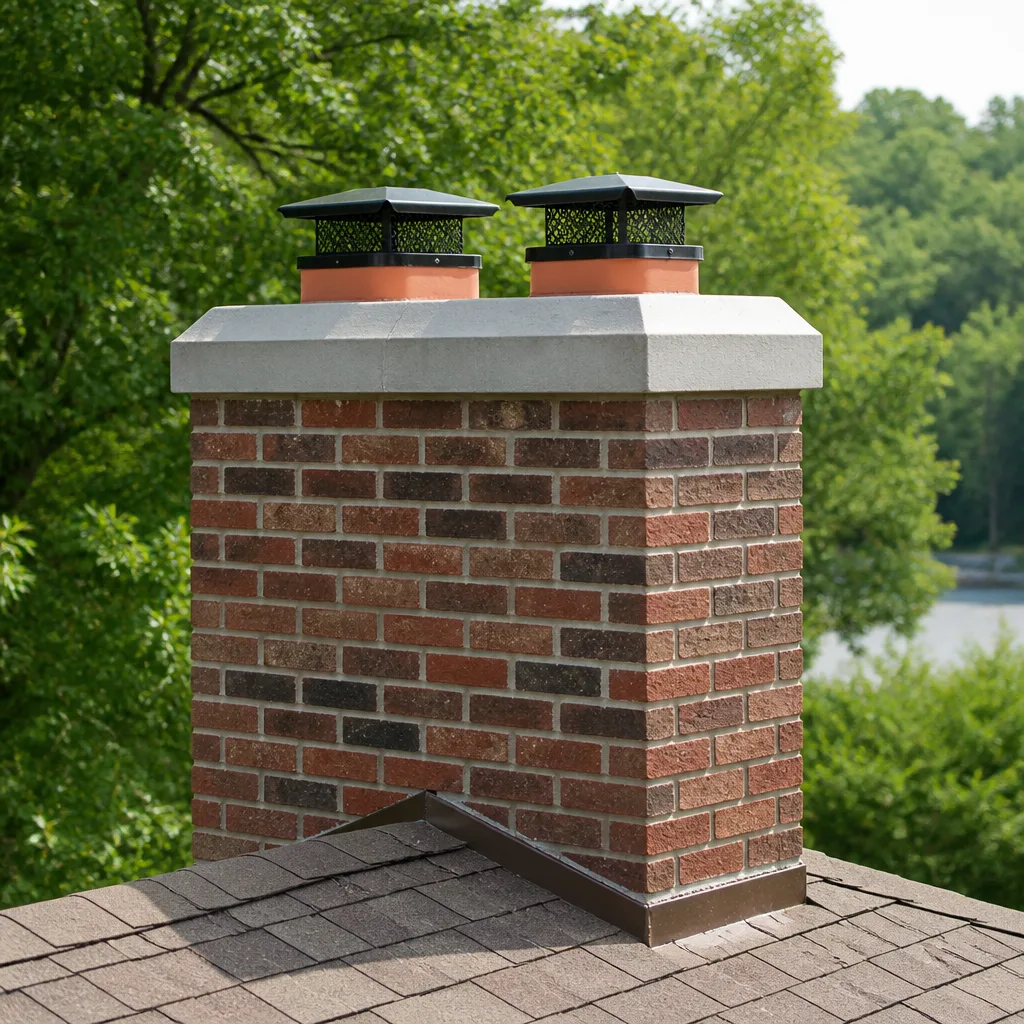 Caps & crowns
 Flue relining
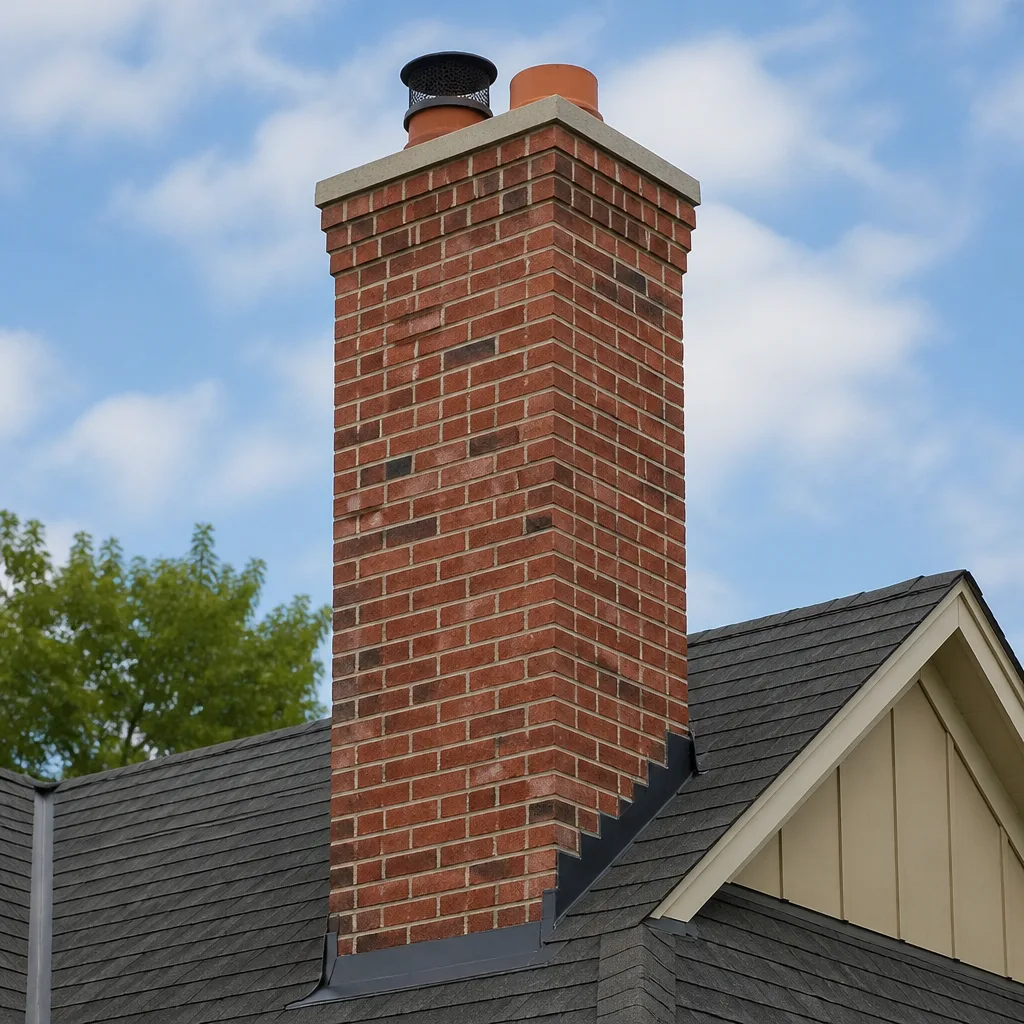 Masonry repair
Level 1 sweep and inspection to the NFPA 211 annual standard - flue, crown, cap, and flashing checked and photographed
Chimney sweep logs do not sweep chimneys. They loosen some creosote - which then falls where a brush and vacuum still have to collect it.
Why Layton Homeowners Choose HeatShield Chimney Cleaning
We provide independent HeatShield chimney cleaning and repair service in Layton, and we’re specialists in HeatShield liner systems rather than a general sweep crew that happens to know the name. If your flue has a HeatShield resurfaced liner that’s cracking, spalling, or pulling away from the chimney wall, we can diagnose the failure and correct it without tearing out a system that still has life in it. We’re an independent provider and not affiliated with or authorized by HeatShield, but our technicians have up to 8 years of experience working with these refractory mortar and castable products in Wasatch Front homes.
What sets our HeatShield work apart is context. Layton sits in the Wasatch Front’s winter inversion zone, and its housing stock is largely 1950s to 1980s ranches and split-levels with original masonry fireplaces and clay-tile flues. Those flues shed moisture and move thermally in ways that put HeatShield liners under real, local stress, and generic advice doesn’t account for that. Call (888) 861-5852 to book a Level 2 Inspection and find out exactly where your liner stands. We answer 24/7. Fast dispatch from 7am to 7pm, Sunday through Friday.
Why Trust Chimney Sweep Layton for Your HeatShield Chimney Cleaning?
HeatShield is a resurfacing and relining product, and it fails differently than a bare clay flue or a stainless liner. That’s the whole reason it pays to work with someone who’s handled it repeatedly. Our technicians have up to 8 years of experience with HeatShield resurfacing compounds, mortars, and castable liners, and we know how each one behaves when the chimney around it is wet, spalling, or moving. We use quality parts that fit HeatShield equipment so an ancillary repair doesn’t undermine the work that’s already there.
Warranty-safe practice matters just as much. Blasting a fresh HeatShield surface with a spinning brush, or applying a resurfacing compound over a damp, dusty, or poorly keyed substrate, can shorten the life of a perfectly good liner. We prepare surfaces the way the material needs to be prepared, we respect curing, and we verify adhesion and thickness at the end of the job. It’s the same discipline a certified chimney professional would apply, and it’s why we don’t treat a resurfaced flue like a plain one.
We tell you what we find, and if your HeatShield liner is sound, we say so. No manufactured urgency.
Styles & brands we work with
- Sweep & inspection
- Caps & crowns
- Flue relining
- Masonry repair
- Gas fireplace service
Common HeatShield Chimney Cleaning Problems We Fix in Layton
HeatShield is a refractory resurfacing system, and in Layton homes we see the same handful of failure patterns over and over. Most come down to moisture, thermal cycling, and what happens when either one gets ahead of the material.
- Spalling and cracking of the refractory mortar. HeatShield refractory mortar is exposed to the same freeze-thaw cycles that grip Layton’s winters. Moisture gets into the flue, freezes, expands, and flakes the surface off. Once that crust lifts, the material behind it is exposed and the damage accelerates.
- Debonding from the chimney wall. A HeatShield liner needs a properly roughened, cleaned, and dampened wall to bond. If surface prep was rushed, or if thermal shock hits a fresh or thin section, the liner can separate from the masonry and create a gap where smoke and condensation travel where they shouldn’t.
- Deterioration of the castable liner at the flue collar. The flue collar is where corrosive condensation concentrates, and it’s often the first place a HeatShield castable liner shows its age. Cracking and pitting here point to ongoing moisture issues further down the system.
- Cracks in resurfaced flues letting creosote through. Layton’s inversion-driven burning season pushes homeowners to burn wood more often, and more inefficiently, which builds creosote fast. Cracks give that creosote a path into the masonry, and that’s a hidden fire hazard you won’t spot with a flashlight.
- Glazed creosote over the liner surface. After a long winter of low-burn fires, we routinely find glazed creosote bonded to the flue walls, and it can’t simply be brushed off. A proper evaluation comes first, then a creosote removal plan that respects the HeatShield surface underneath.
None of these failures announce themselves unless someone competent looks. That’s the argument for addressing them before you light the next fire, not after the smell of smoke in the room tells you something’s wrong.
HeatShield Parts & Our Repair-vs-Replace Approach
We use HeatShield repair materials that are compatible with HeatShield liner restoration, because mixing brands inside a single system is a shortcut that tends to fail. We’re not a HeatShield dealer and we don’t claim to stock or carry OEM parts, but we know which materials fit the work in front of us and which ones don’t. For ancillary components like caps or dampers, we recommend quality aftermarket parts when they meet or exceed OEM specifications, so the whole system stays closed to water and open to exhaust.
The bigger question is whether to repair or replace. If your HeatShield liner is damaged in one spot, a targeted repair is often the smarter, cheaper answer. If the damage is extensive, a full relining may be the more durable path, and we’ll tell you honestly which is likely to last longer for your system. Call (888) 861-5852 for a free estimate and a straight answer.
Our HeatShield Service Process – Step by Step
- 1
Diagnosis. We start with a Level 2 Inspection, because you can’t judge HeatShield liner condition by eye. We look for spalling, debonding, surface cracks, and collar deterioration, and we note moisture intrusion.
- 2
Repair or install. We prep the surface carefully and apply compatible HeatShield materials, or we set up a full relining plan if that’s what the condition warrants. Clean prep is what makes the resurfacing hold.
- 3
Test. We confirm adhesion, thickness, and that the system drafts and seals correctly before we call it done.
- 4
Warranty-safe handoff. We leave you with a clear record of what was done and how to care for it, so the work holds up long term. We don’t overpromise on warranty terms; the estimate sets expectations before booking.
See the difference
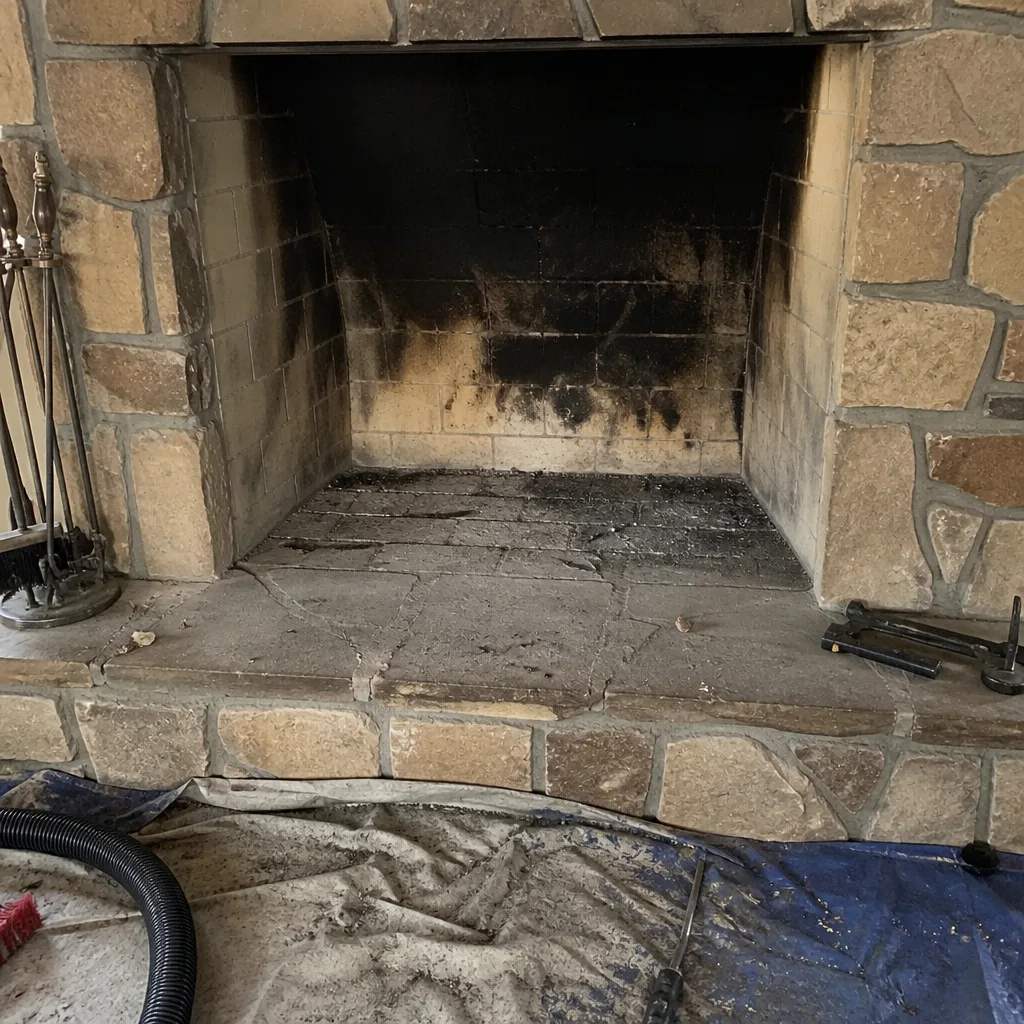 Before
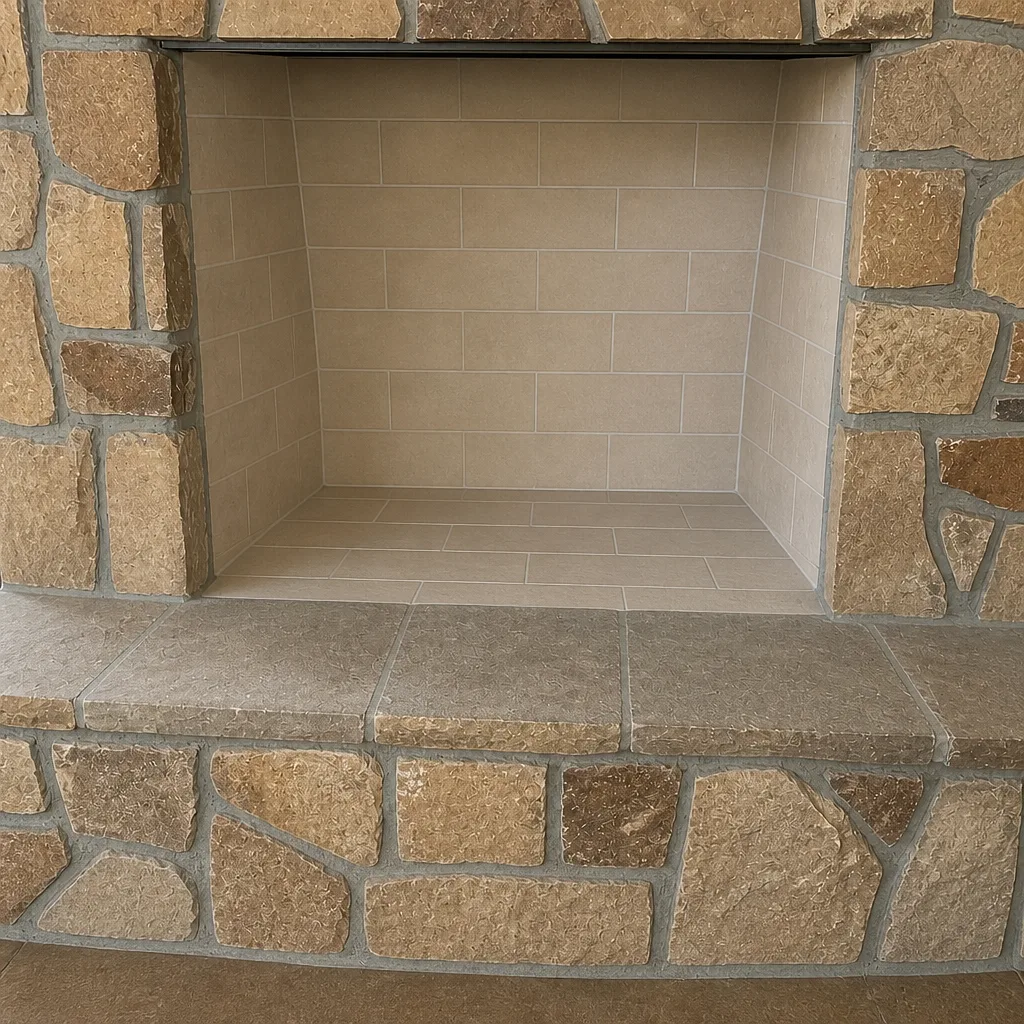 After
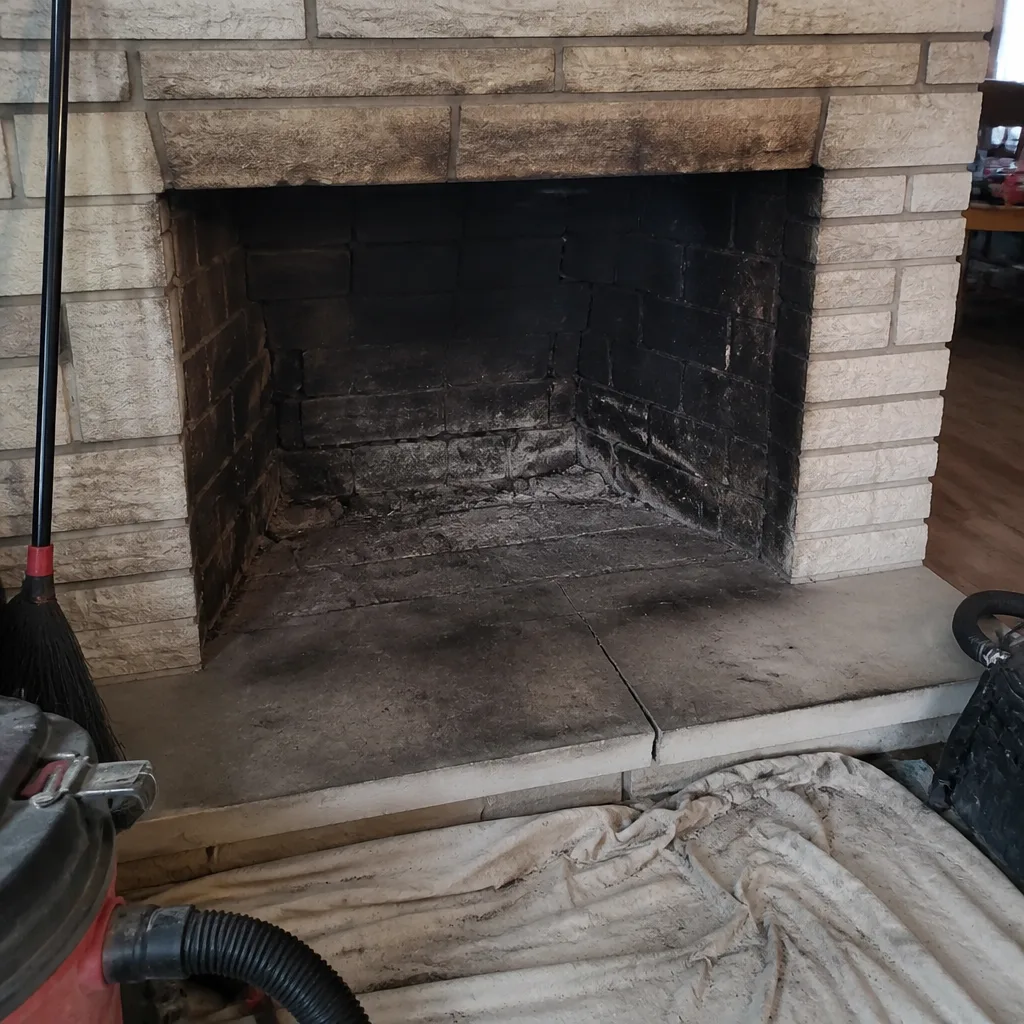 Before
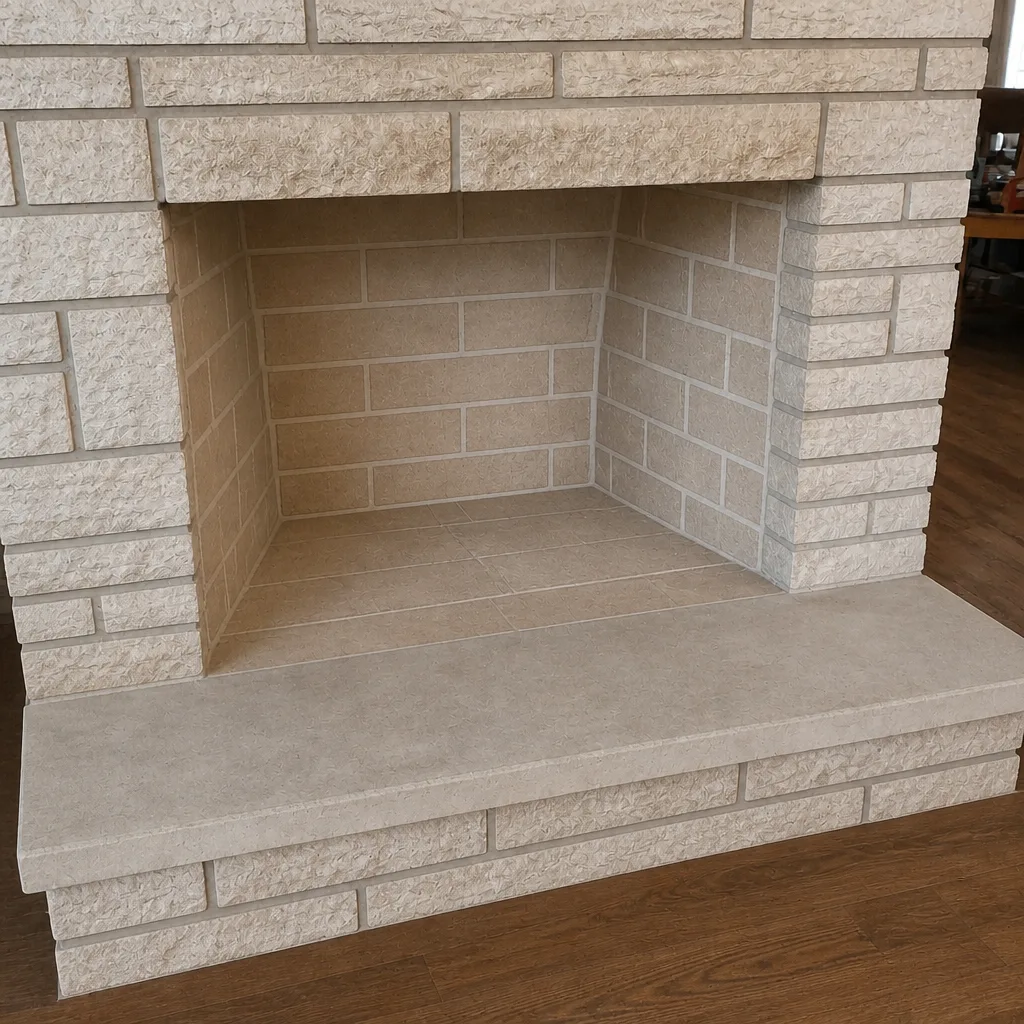 After
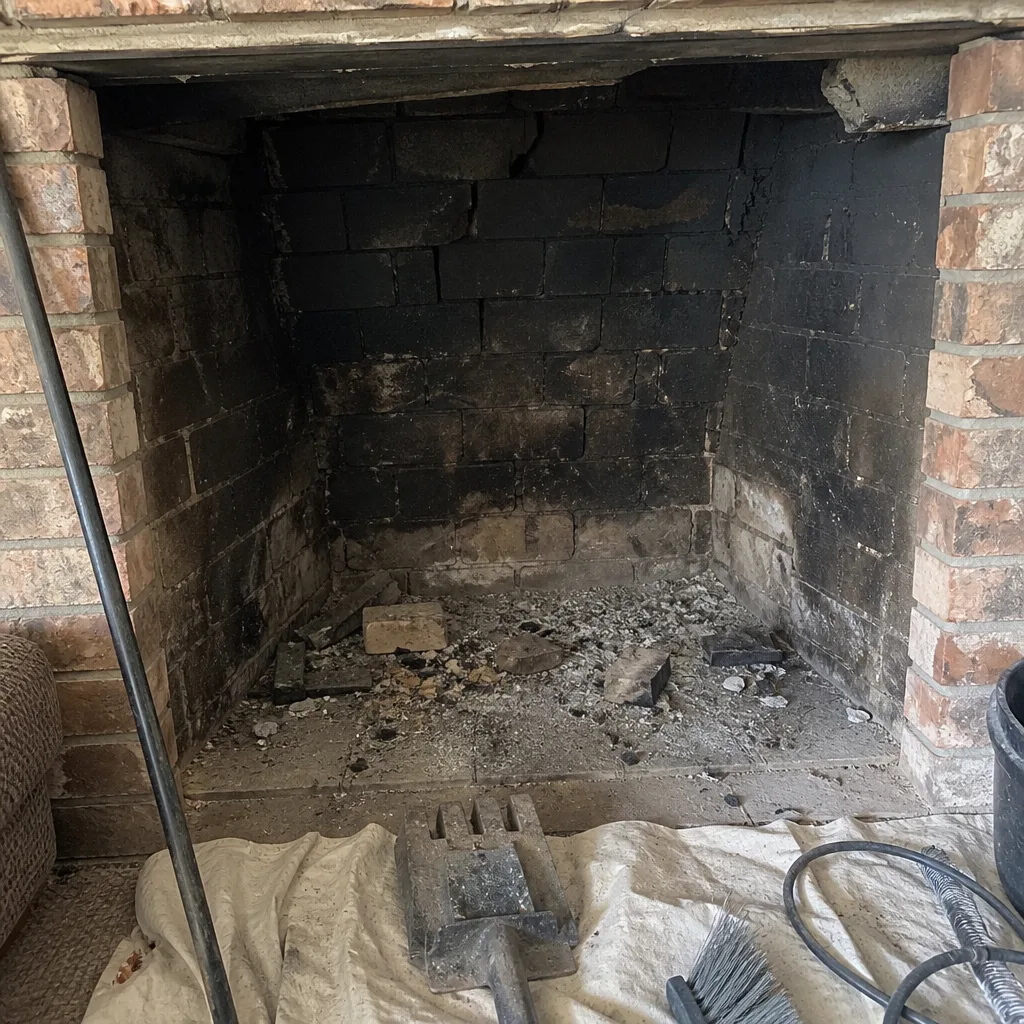 Before
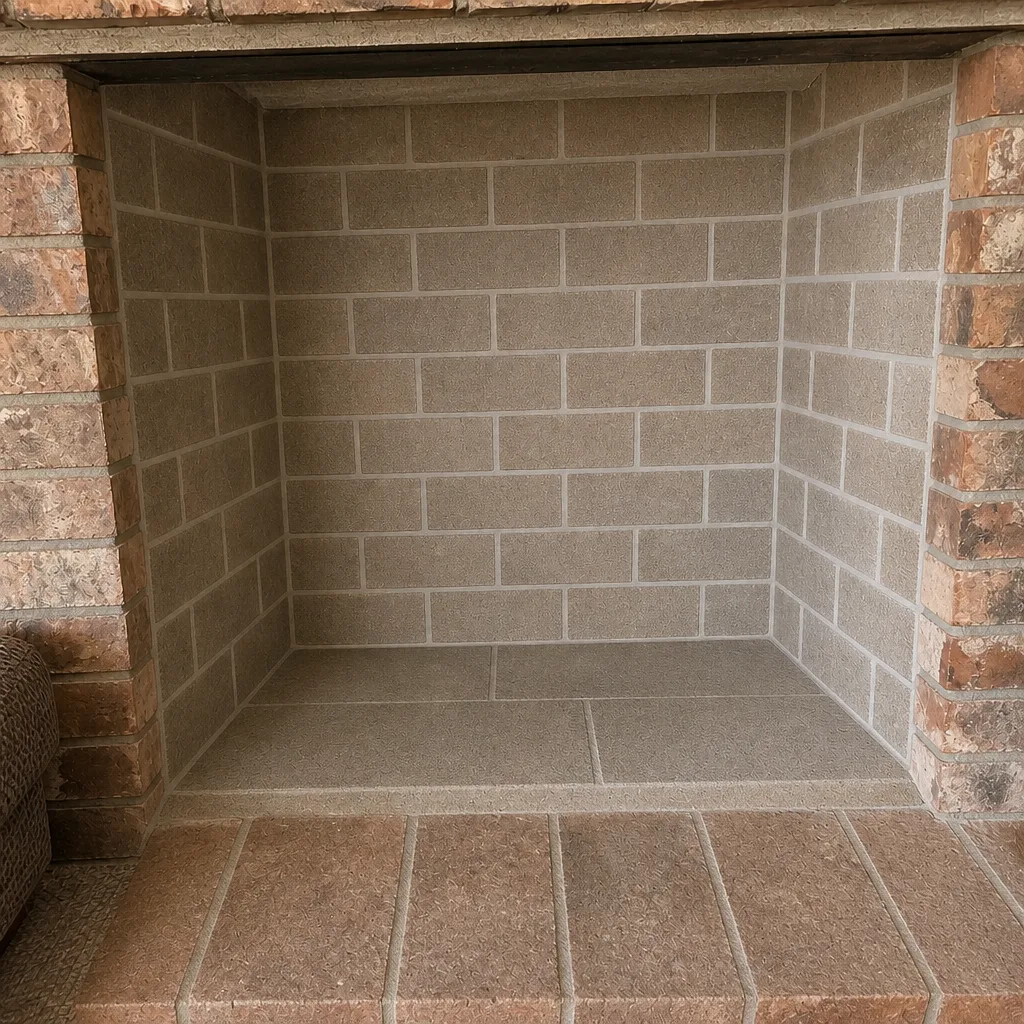 After
HeatShield Products We Service & Install in Layton
Our HeatShield work in Layton covers the core of a chimney system. We service and install HeatShield resurfacing compound for restoring flue surfaces, FireGuard mortar for joints and structural areas, the CeCure sleeve relining system for cast-in-place flue restoration, and HeatShield insulation mix to keep a relined flue at proper temperature and reduce condensation. Each one handles a different part of the job, and matching the right material to the condition you find is what separates a lasting repair from a temporary patch.
We Also Service These Brands
We’re not a single-brand shop, and that matters when the right fix for your chimney involves something other than HeatShield. Alongside our HeatShield work in Layton, we handle DuraFlex flexible stainless liners and Gelco products, so a full flue rebuild, a worn stainless insert, or an ancillary component can be addressed under one roof. One company, the same materials certified professionals specify, no handoffs.
FAQs – HeatShield Chimney Cleaning Service in Layton
No. We are an independent service provider in Layton, not manufacturer-authorized agents. Our expertise with HeatShield liner systems comes from hands-on work, not factory certification, and we’re upfront about that boundary.
Yes. We use HeatShield repair materials compatible with HeatShield liner restoration, and quality aftermarket parts that fit for ancillary items like caps and dampers when they meet or exceed OEM specifications. We don’t claim to stock OEM parts, and we won’t use a substitute that undermines the system.
It depends on the condition we find. A straightforward resurfacing or targeted repair can often be completed in a day, while a full relining plan may take longer because surface prep and curing time matter for HeatShield materials. We’ll give you a realistic timeline in the written estimate, and we won’t rush a cure to book the next job.
We work with HeatShield resurfacing compound, FireGuard mortar, the CeCure sleeve relining system, and HeatShield insulation mix. We can service and install each of these for your Layton home, and we choose the right one based on the inspection findings.
Properly performed service with compatible materials doesn’t have to. Warranty-safe practice means careful surface prep, correct curing, and using quality parts that fit the equipment. We’ll review what you have and keep the work documented so it’s easy to verify down the line.
We don’t quote a flat number for HeatShield cleaning because the work varies with liner condition. A basic sweep and inspection is one thing; resurfacing compound, mortar repair, or crown coating adds cost depending on what the inspection shows. The price is set per job by the written estimate, the estimate is free, and you’ll know the number before we book. Call (888) 861-5852 for an exact quote – estimates are free.
Book Your HeatShield Service in Layton, UT
If your HeatShield liner needs a look, call (888) 861-5852 for a free estimate. We answer 24/7. Fast dispatch from 7am to 7pm, Sunday through Friday. We’ll perform a Level 2 Inspection, tell you what’s actually wrong, and only recommend the work your liners need. We’re closed Saturday.
Written by the team at Chimney Sweep Layton.