
Last updated November 24, 2026
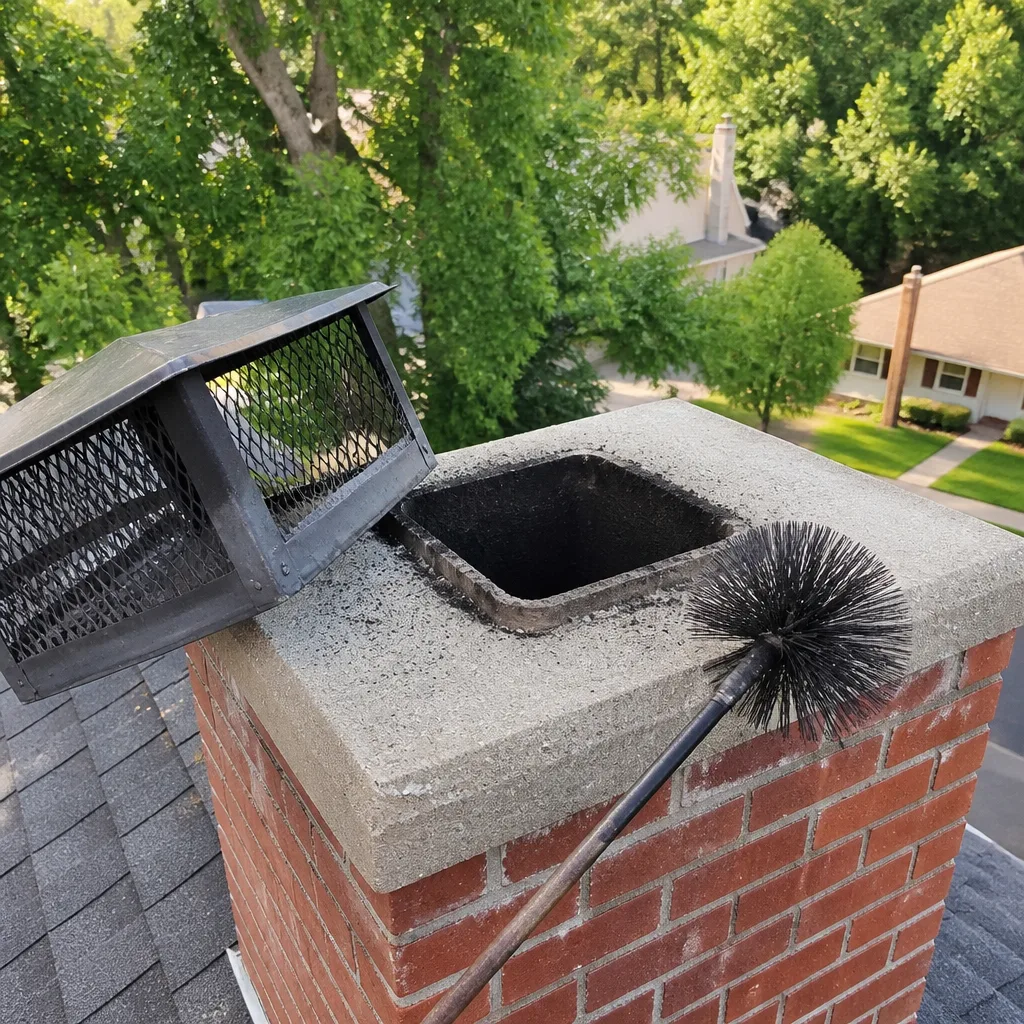 Sweep & inspection
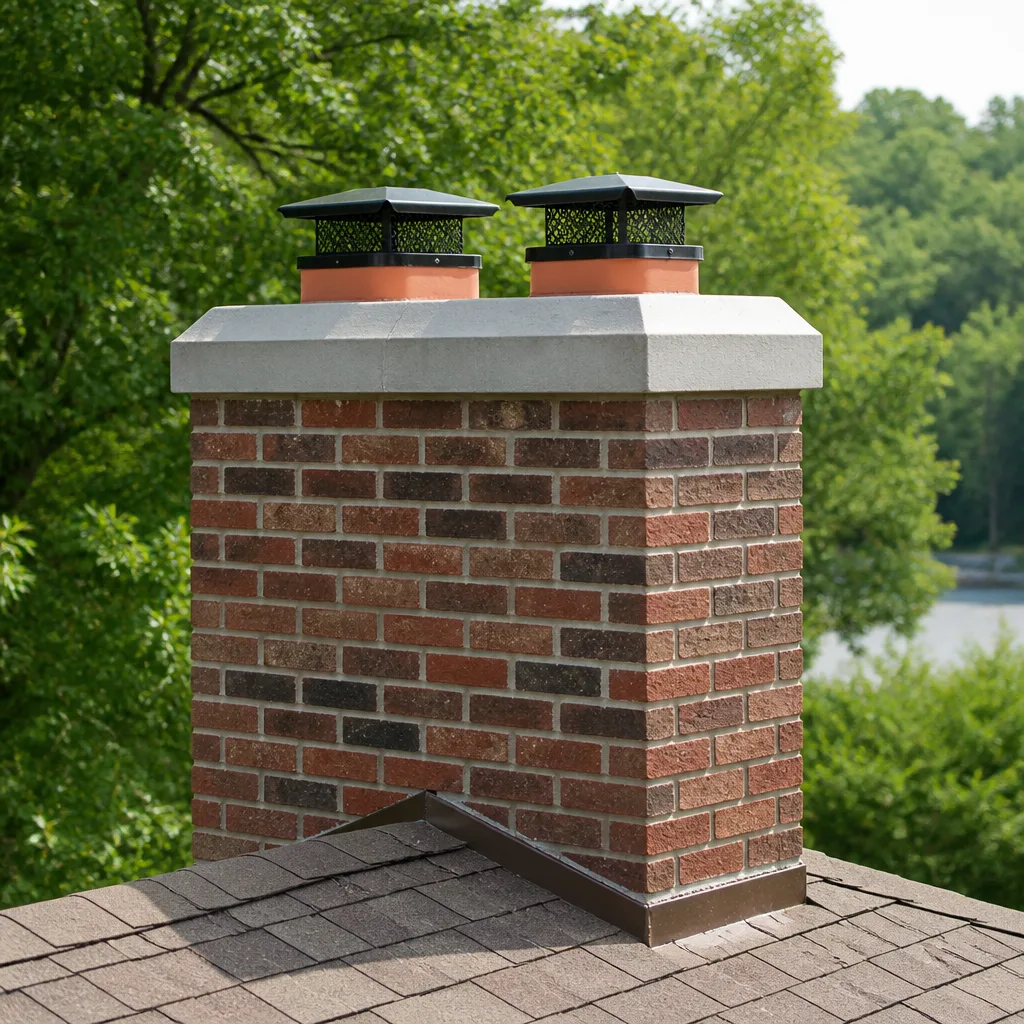 Caps & crowns
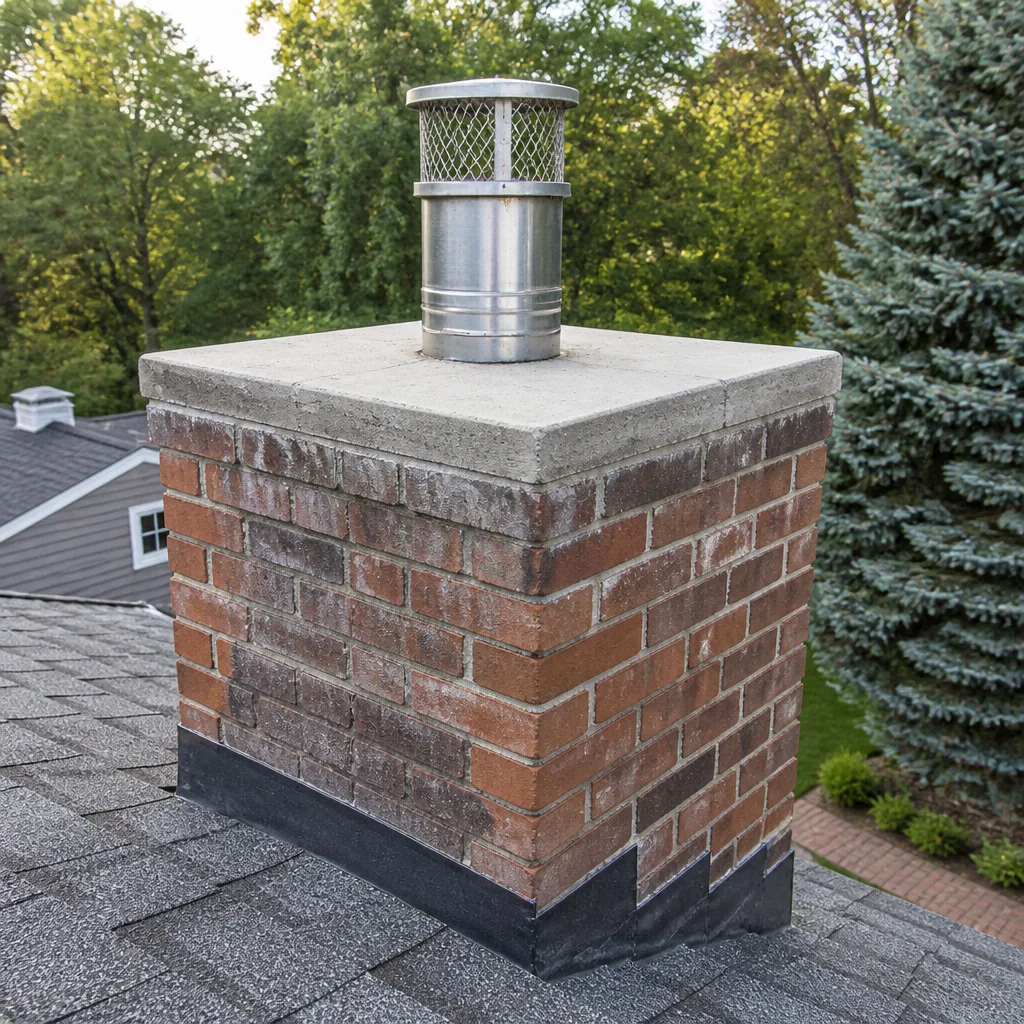 Flue relining
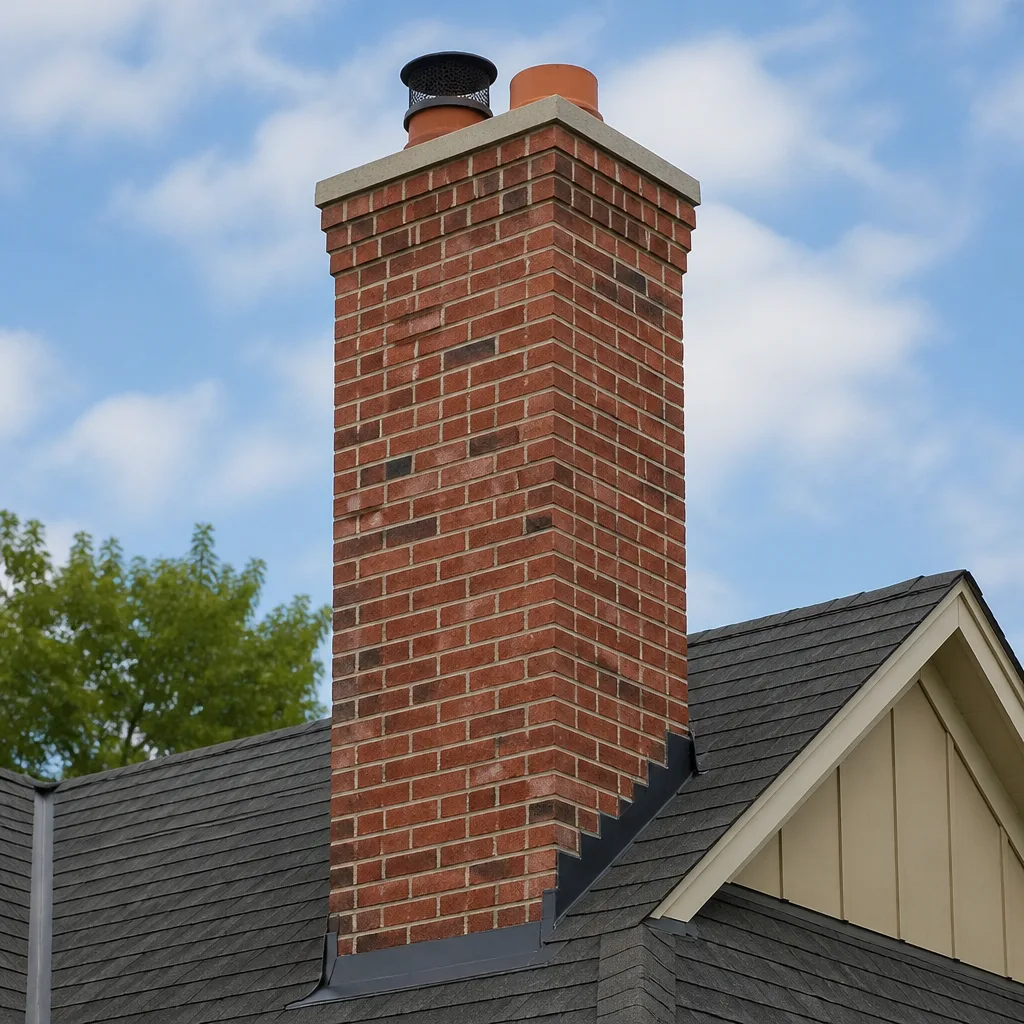 Masonry repair
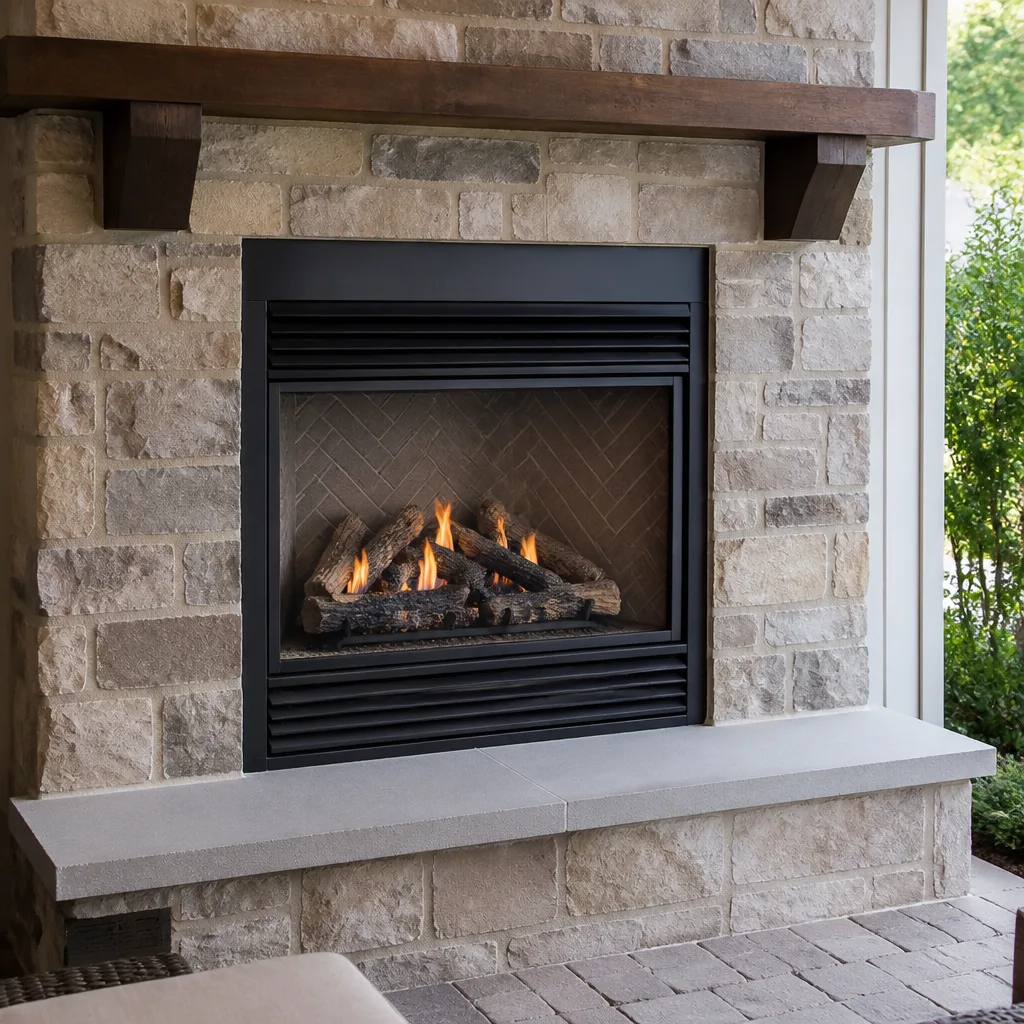 Gas fireplace service
Level 1 sweep and inspection to the NFPA 211 annual standard - flue, crown, cap, and flashing checked and photographed
Chimney sweep logs do not sweep chimneys. They loosen some creosote - which then falls where a brush and vacuum still have to collect it.
Chimney Cleaning Cost Breakdown: The Layton Homeowner’s Reference for 2026
A $79 chimney sweep and a $299 chimney sweep in Layton can take the same amount of time. The brush goes up the flue, the soot comes down, and both technicians are out the door in under an hour. The difference is what happens around that brushing: whether the liner gets looked at, whether the crown gets checked, whether you walk away with a written report or just a handshake. Most homeowners don’t discover which kind of sweep they hired until the first cold snap reveals a cracked flue tile or a cap that’s been letting water in for two seasons. This guide breaks down what chimney cleaning actually costs in Layton in 2026, what drives legitimate price variation, and how to compare quotes on equal terms so the lowest number doesn’t win by default.
Styles & brands we work with
- Sweep & inspection
- Caps & crowns
- Flue relining
- Masonry repair
- Gas fireplace service
Quick Answer
A standard chimney sweep in Layton in 2026 typically runs $150 to $300, and a sweep bundled with a Level 1 inspection usually lands between $200 and $400. The price moves with chimney height, how much creosote has built up, and whether the flue is a straight shot or a complex system with offsets and multiple appliances tied in. A written estimate sets the final price, and the estimate itself should be free.
Table of Contents
- What actually drives chimney cleaning cost in Layton?
- What’s included at each price point?
- What do sweeps, inspections, liners, and cap work cost in 2026?
- What legitimately increases the price?
- Why does combining a sweep with an inspection save money?
- How do you read a chimney quote line by line?
- What makes Layton chimneys different?
- Common Mistakes to Avoid
- When to Call a Professional
- Frequently Asked Questions
- The Bottom Line
What actually drives chimney cleaning cost in Layton?
Three things set the price of a sweep: the height and accessibility of the chimney, the volume and stage of the creosote inside it, and the complexity of the flue system. A single-story ranch with a straight flue and a light dusting of soot is a fast job. A two-story house with an offset flue, a fireplace insert, and a furnace vent tied into the same masonry stack is not, and no honest sweep will quote them the same.
Here’s what we look at before a number gets written down:
- Chimney height and roof pitch. A tall stack on a steep roof takes longer to set up safely and requires more ladder work. That time is real and it shows up in the quote.
- Creosote stage. Stage 1 is light soot you can brush away. Stage 2 is a flaky, hardened glaze that needs more than a brush. Stage 3 is a puffy, tar-like deposit that requires chemical treatment or rotary cleaning before the flue is safe to use.
- Flue configuration. Straight flues clean quickly. Offsets, bends, and multi-appliance stacks take longer and demand more care around the liner.
- Appliance type. Wood-burning fireplaces, inserts, wood stoves, and gas appliances each need different tooling and different checks.
- Access. A damper that won’t open, a firebox packed with ash, or a cap that’s seized in place all add time.
Layton’s housing stock runs the gamut from older single-story homes near the downtown grid to newer two-story builds out toward the east bench. That range is exactly why a single flat “chimney sweep price” advertised online tells you almost nothing about what your particular chimney will cost. The only number that matters is the one written on your estimate.
What’s included at each price point?
The price band tells you a lot about what’s happening on the job, and the budget tier is where gaps appear. A low-cost sweep is usually a brush-and-go: the technician runs a brush through the flue, vacuums up what falls, and leaves. There’s often no liner inspection, no crown check, no photo documentation, and no written assessment of what else the system needs.
Here’s how the tiers typically break down:
- Budget tier (roughly $75 to $150). Basic brushing only. Little to no inspection. Rarely includes documentation. Sometimes uses drop cloths instead of a sealed vacuum system, which is its own problem.
- Standard tier (roughly $150 to $300). Full brushing with proper containment, a visual check of the firebox, damper, smoke chamber, and flue, and a verbal report on what was found.
- Professional tier (roughly $250 to $400). Everything in the standard tier plus a documented Level 1 inspection, photo evidence of anything flagged, and a written assessment you can keep for insurance or resale purposes.
What separates the tiers isn’t the brushing. It’s the inspection. A sweep who never looks up the flue with a camera or a mirror can’t tell you whether the liner has a crack, whether the crown is spalling, or whether creosote has glazed onto the flue walls. In our experience, that’s how homeowners end up paying twice: once for a cheap sweep and again for the repair the cheap sweep didn’t catch.
What do sweeps, inspections, liners, and cap work cost in 2026?
These are typical estimated ranges for the Layton market in 2026. Every job gets its own written estimate, and the written estimate is what sets the final price. Treat these as planning numbers, not quotes.
- Basic chimney sweep: $150 to $300. Single flue, standard access, up to Stage 1 or light Stage 2 creosote.
- Level 1 inspection: $100 to $200, often discounted or included when bundled with a sweep. Covers readily accessible portions of the chimney, firebox, and flue from the ground and firebox level.
- Level 2 inspection: $250 to $500. Required when a property changes hands, after a chimney fire, or after any event that may have damaged the system. Includes a camera scan of the flue interior.
- Heavy creosote removal (Stage 2 to 3): $300 to $600 on top of the base sweep. Rotary cleaning or chemical treatment adds labor and time.
- Liner cleaning on a complex flue: $250 to $450. Multi-appliance stacks, offsets, and inserts all add complexity.
- Chimney cap installation: $150 to $400 depending on cap type and fit. A properly fitted stainless cap protects the flue from rain, animals, and debris.
- Crown repair or rebuild: $300 to $1,200. Small cracks can be sealed; a failed crown needs to be rebuilt to keep water out of the masonry.
If a quote for a sweep comes in well under $150 in the Layton area, ask what’s included. It’s often a brush-only service with no inspection attached, and that’s a different product than what most homeowners think they’re buying.
What legitimately increases the price?
Some cost increases are real and unavoidable. Others are padding. Knowing which is which is the whole point of this guide.
Legitimate cost increasers in Layton:
- Chimney height. A chimney that runs 30 feet from the firebox to the cap takes longer to sweep and longer to inspect than one that runs 15 feet. More ladder time, more containment, more labor.
- Stage 2 and Stage 3 creosote. Glazed creosote doesn’t brush off. It has to be removed with rotary tools or treated chemically and then removed, and that’s a separate process with a separate price.
- System complexity. A masonry chimney with a fireplace on one floor and a wood stove on another, both feeding the same stack, is a multi-flue job. So is a chimney with a furnace or boiler vented into it alongside the fireplace.
- Access problems. A roof with a steep pitch, a chimney tucked behind a dormer, or a cap that’s been sealed shut with silicone all add setup time.
- Damage discovered during the sweep. A cracked flue tile, a deteriorated crown, or a liner that’s pulled away from the wall all need to be addressed before the chimney is safe to use. That’s not padding; that’s the inspection doing its job.
If a technician recommends thousands of dollars of liner or masonry work, ask to see the camera footage and the photos. Nothing should be recommended that you can’t see for yourself. If the work can safely wait a season, a good sweep will tell you that too.
Why does combining a sweep with an inspection save money?
Scheduling a sweep and a Level 1 inspection as two separate visits costs more than doing them together, because you’re paying for two mobilizations, two setups, and two blocks of technician time. When the inspection happens during the same visit as the sweep, the technician is already on the roof and already has the camera in the flue. The inspection adds 15 to 30 minutes instead of a full second appointment.
The practical difference in Layton:
- Book the combined service. One appointment, one setup, one fee that covers both.
- The technician sweeps the flue and inspects the accessible system in the same visit. Firebox, damper, smoke chamber, flue, crown, and cap all get checked while the equipment is already in place.
- You get a written report with photos. Anything flagged comes with visual evidence so you can see exactly what the technician saw.
- You decide what to act on now and what can wait. Not every finding is urgent, and a straight assessment tells you which is which.
The cost of a combined sweep and Level 1 inspection in Layton usually lands between $200 and $400, compared to $250 to $500 or more for two separate visits. It’s the same work, done in one trip, with one written report at the end.
We offer chimney inspections as a standalone service too, because sometimes that’s all a homeowner needs. If you’re buying a house or filing an insurance claim, a Level 2 inspection with a full camera scan is the right product, and it doesn’t require a sweep to be tacked on. We tell you which one you actually need before anything gets scheduled.
How do you read a chimney quote line by line?
A thorough quote is specific. A padded one is vague. The difference shows up in the line items.
Here’s how to read a chimney quote in Layton:
- Look for the scope of work. A good quote says what will be swept, what will be inspected, and what will be documented. “Chimney sweep” alone isn’t a scope; it’s a label.
- Check whether the inspection is itemized. If the quote lists a Level 1 inspection as a separate line, you know it’s included and you know what it costs. If it’s not mentioned at all, assume it’s not happening.
- Look for the containment method. Professional sweeps use sealed vacuum systems and drop cloths. If the quote doesn’t mention containment, ask.
- Watch for vague line items. “Chimney service” and “miscellaneous repairs” are padding signals. Every line should name a specific task and a specific part of the system.
- Check whether repairs are quoted with evidence. A liner replacement quote should reference camera footage or photos. If it doesn’t, ask for them before you sign.
- Confirm what happens after the sweep. A written report, a photo set, or a verbal summary should all be spelled out. If the quote is silent on documentation, ask what you’ll receive.
One company handles the sweep, the inspection, the repair, and the cap, with no handoffs and no gaps in what gets checked. That matters when you’re comparing quotes, because a cheap sweep from a company that doesn’t do repairs often means a second call to a second contractor when something turns up. The Chimney Sweep Layton page lays out the full scope of what a proper visit covers.
What makes Layton chimneys different?
Layton sits in a valley with cold, dry winters and a long heating season that runs from roughly October into April. That means most fireplaces here see steady use for five to six months a year, and creosote accumulates faster than it would in a milder climate. The freeze-thaw cycle along the Wasatch Front is also hard on masonry. Water gets into small cracks in the crown or the mortar joints, freezes overnight, expands, and opens the crack wider. Repeat that over a few winters and a hairline crack becomes a rebuild.
What that means for cleaning costs in Layton:
- Annual sweeps are the baseline. A fireplace used regularly through the heating season should be swept once a year. Skipping a year lets Stage 1 creosote harden into Stage 2, and Stage 2 costs more to remove.
- Crown and cap checks matter more here than in milder climates. Water intrusion is the leading cause of masonry damage along the Wasatch Front, and a $200 cap that keeps rain out of the flue is cheaper than a $1,200 crown rebuild.
- Wood choice affects buildup. Seasoned hardwood burns cleaner than green or soft wood, and the difference shows up in how much creosote the sweep has to remove. Homeowners who burn unseasoned wood often pay for heavy-creosote removal sooner.
- Older homes near downtown Layton often have original masonry chimneys that were built before modern liner standards. Those flues frequently need a camera inspection to confirm the liner is intact, and sometimes a stainless liner to bring them up to safe use.
If an inspection turns up a deteriorated flue, we install DuraFlex flexible stainless liners, the professional standard for relining a flue that’s cracked, oversized, or unlined. We also carry the HeatShield ceramic resurfacing system for liner repair, which most local sweep companies don’t stock or know how to apply. The chimney repair page covers what those repairs involve and when they’re actually necessary.
Common Mistakes to Avoid
- Choosing the cheapest quote without asking what’s included. A $79 sweep and a $299 sweep can take the same hour. The difference is whether the liner, crown, and cap get checked. Ask what the price covers before you compare numbers.
- Skipping the inspection to save $100. The inspection is what catches a cracked flue tile or a failing crown before it becomes a repair. Booking the sweep without it usually means paying for a second visit later.
- Burning unseasoned wood to save on fuel costs. Green wood produces more creosote, and Stage 2 buildup costs more to remove. Seasoned hardwood is cheaper in the long run once you factor in the cleaning.
- Ignoring a cracked crown through a Layton winter. Water gets in, freezes, and widens the crack. A small crown repair in the fall is a fraction of what a rebuild costs after two freeze-thaw cycles.
- Assuming a gas fireplace doesn’t need service. Gas appliances still need annual checks for venting, debris, and carbon monoxide risk. The sweep is different, but the inspection isn’t optional.
- Letting a technician recommend liner work without showing the evidence. Camera footage and photos should back up any recommendation. If you can’t see the problem, don’t approve the repair.
- Waiting until the first cold snap to book. Fall is the busiest season for chimney work in Layton. Booking a sweep before the heating season starts means a wider choice of appointment times and no scramble when the furnace kicks on.
When to Call a Professional
Call a professional when you’ve burned through a full heating season without a sweep, when you notice a strong creosote smell or a draft that pulls smoke back into the room, or when you spot cracked masonry, a loose cap, or water staining on the chimney exterior. Call after any chimney fire, even a small one, because the flue needs a camera inspection before it’s used again. Call before you buy or sell a home in Layton, since a Level 2 inspection is the documented assessment most transactions require. And call if a previous sweep left you with questions about what was actually checked. Chimney Sweep Layton offers free estimates in Layton. Call (888) 861-5852. We answer 24/7. Fast dispatch from 7am to 7pm, Sunday through Friday.
Frequently Asked Questions
A standard chimney sweep in Layton typically costs $150 to $300, and a sweep bundled with a Level 1 inspection usually runs $200 to $400. Chimney height, creosote stage, and flue complexity move the number up or down, and a written estimate sets the final price. Call (888) 861-5852 for an exact quote. Estimates are free.
A Level 2 inspection is needed when a property changes hands, after a chimney fire, or after any event that may have damaged the flue, because it includes a camera scan of the flue interior that a standard sweep doesn’t. For routine annual maintenance, a sweep combined with a Level 1 inspection covers the accessible portions of the system. If you’re unsure which one applies to your situation, call and we’ll tell you before anything gets booked.
Once a year for a fireplace used regularly through the heating season. Layton’s long winter means most fireplaces here see five to six months of steady use, which builds creosote faster than a milder climate would. If you burn unseasoned wood or use the fireplace heavily, the flue may need attention sooner. Call (888) 861-5852 to schedule a sweep before the season starts.
Creosote hardens. Stage 1 soot becomes Stage 2 glaze, which doesn’t brush off and costs more to remove, and Stage 3 deposits can require chemical treatment. A skipped year also means a skipped inspection, so a cracked flue tile or a failing crown can go unnoticed until it turns into a larger repair. Call (888) 861-5852 for an estimate on a sweep and inspection.
Usually because the two quotes cover different work. A low quote is often brushing only, with no inspection, no documentation, and no crown or cap check. A higher quote typically includes a documented Level 1 inspection and a written report. Compare what’s included line by line before comparing the totals. Call (888) 861-5852 if you want a quote broken out that way.
Only if the inspection shows the existing liner is cracked, deteriorated, or missing. A camera scan is the evidence that answers the question, and you should see the footage before approving the work. If the liner is intact, a sweep and inspection are all you need. We install DuraFlex stainless liners and use the HeatShield ceramic resurfacing system when a repair is the right call instead of a full reline. Call (888) 861-5852 for an assessment.
The Bottom Line
Chimney cleaning costs in Layton in 2026 run from about $150 to $300 for a standard sweep, and $200 to $400 when a Level 1 inspection is bundled in. The price variation between providers rarely reflects the brushing itself; it reflects what gets inspected, documented, and caught before it becomes a repair. Read every quote line by line, ask what’s included, and ask to see the camera footage before approving any liner or masonry work. A thorough sweep costs a little more up front and usually costs less over time. For a full-service visit from the firebox to the crown, chimney sweep service through Chimney Sweep Layton covers the sweep, the inspection, the repair, and the cap in one appointment. If a fireplace issue turns up, our fireplace repair team handles the firebox and damper side of the system as well. We use the same materials certified chimney professionals specify, including products from Famco, Copperfield, DuraFlex, and HeatShield, not hardware-store substitutes. Our technicians have up to 8 years of experience, and we tell you what we find. If your chimney is fine, we say so.
Call (888) 861-5852 for a free estimate. We answer 24/7. Fast dispatch from 7am to 7pm, Sunday through Friday.
Written by the team at Chimney Sweep Layton.
See the difference
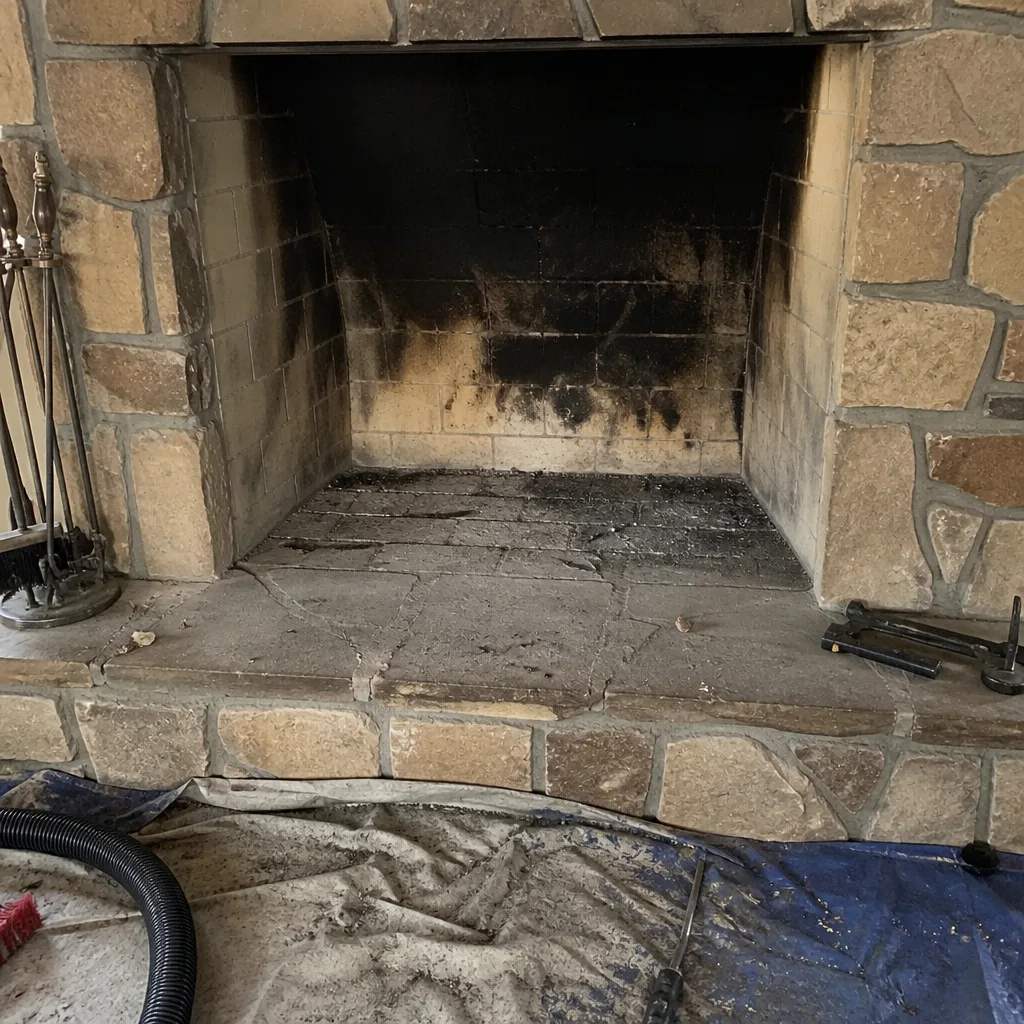 Before
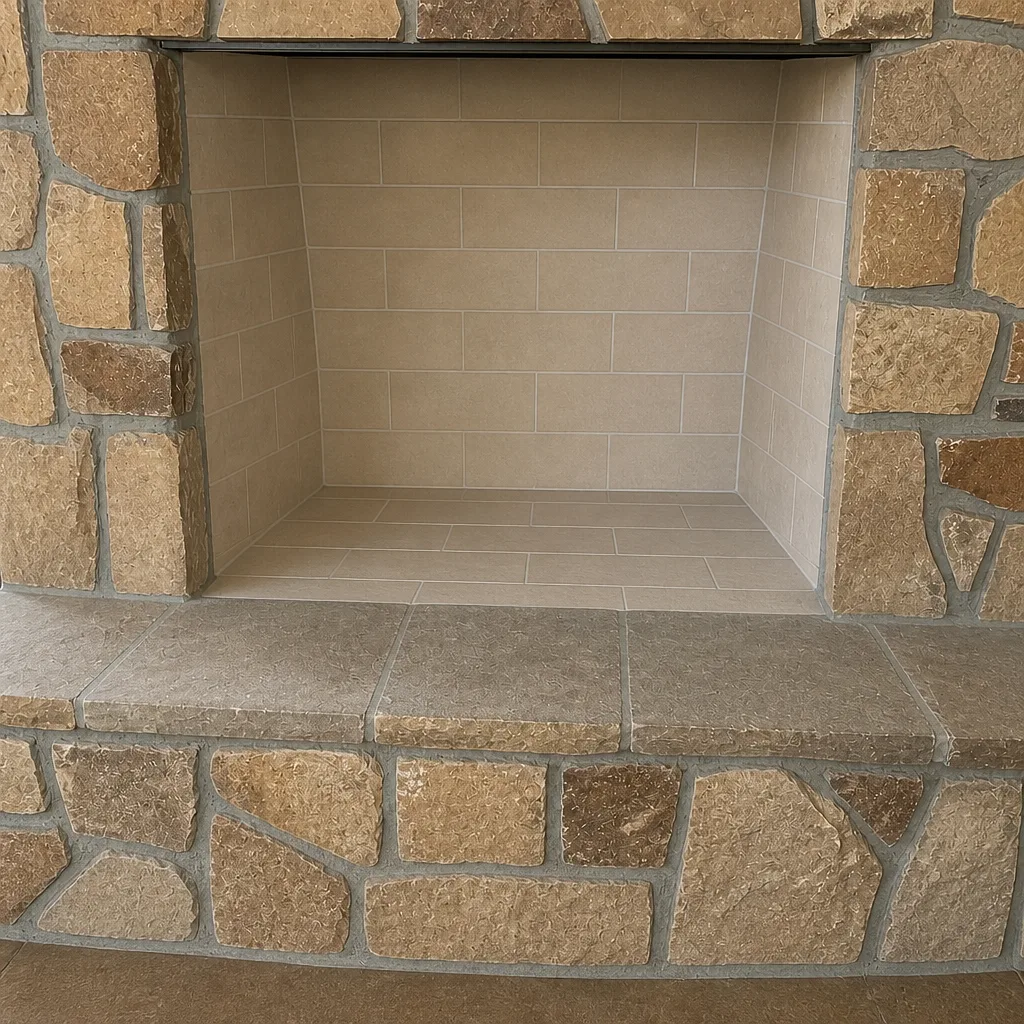 After
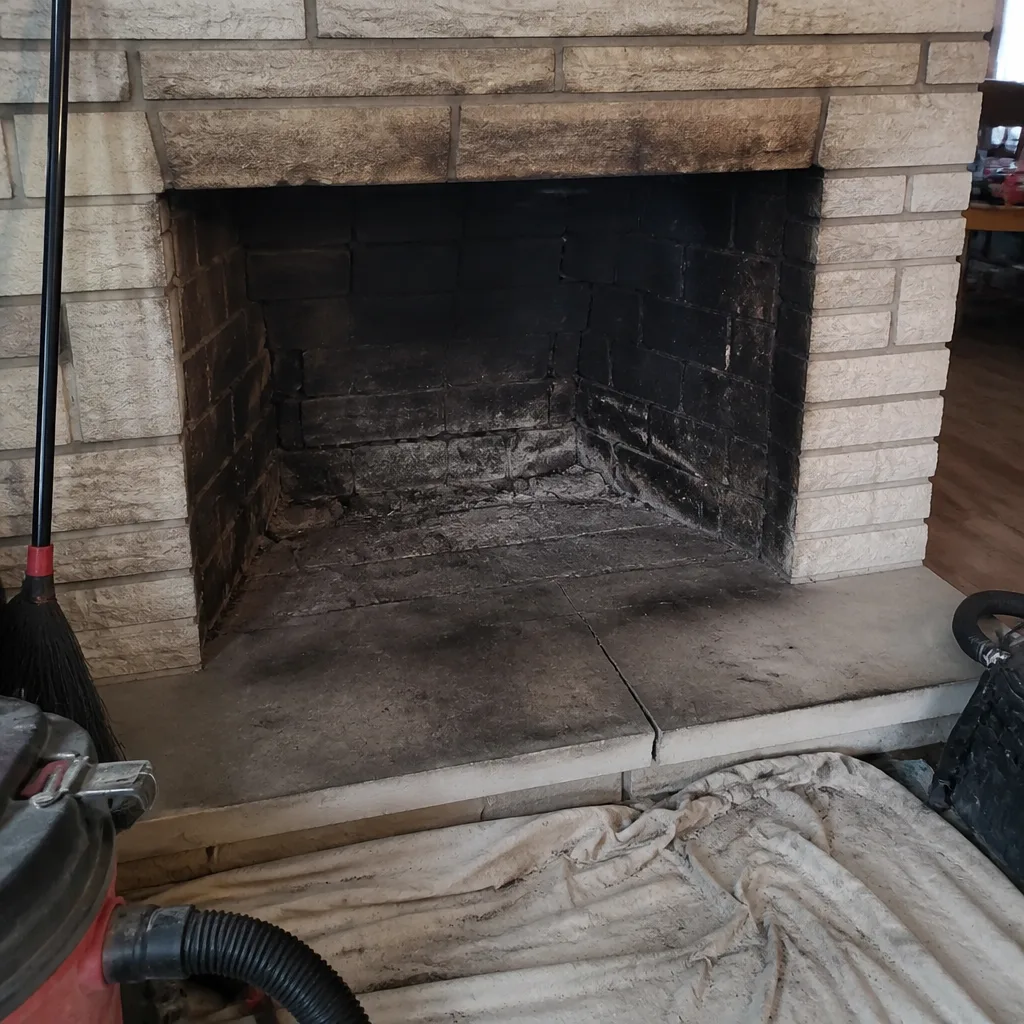 Before
 After
 Before
 After