
Last updated November 24, 2026
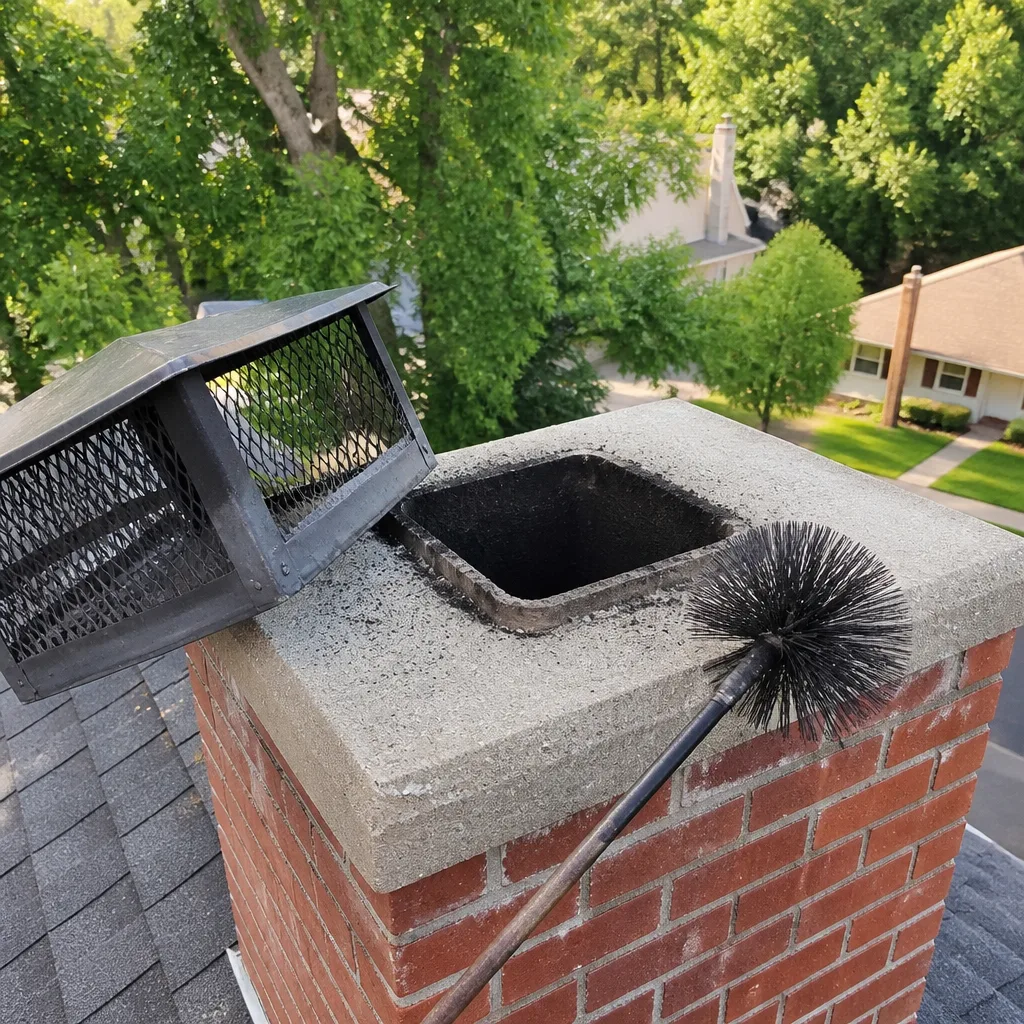 Sweep & inspection
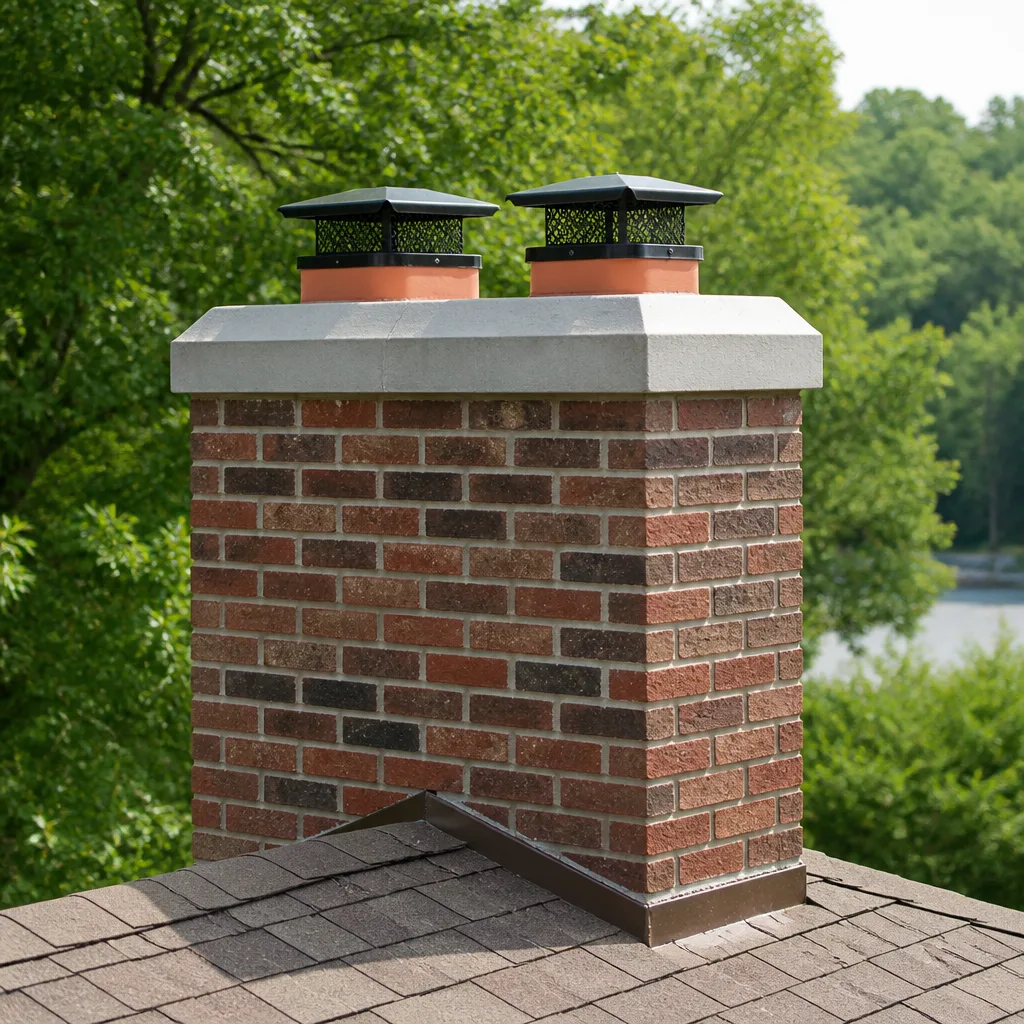 Caps & crowns
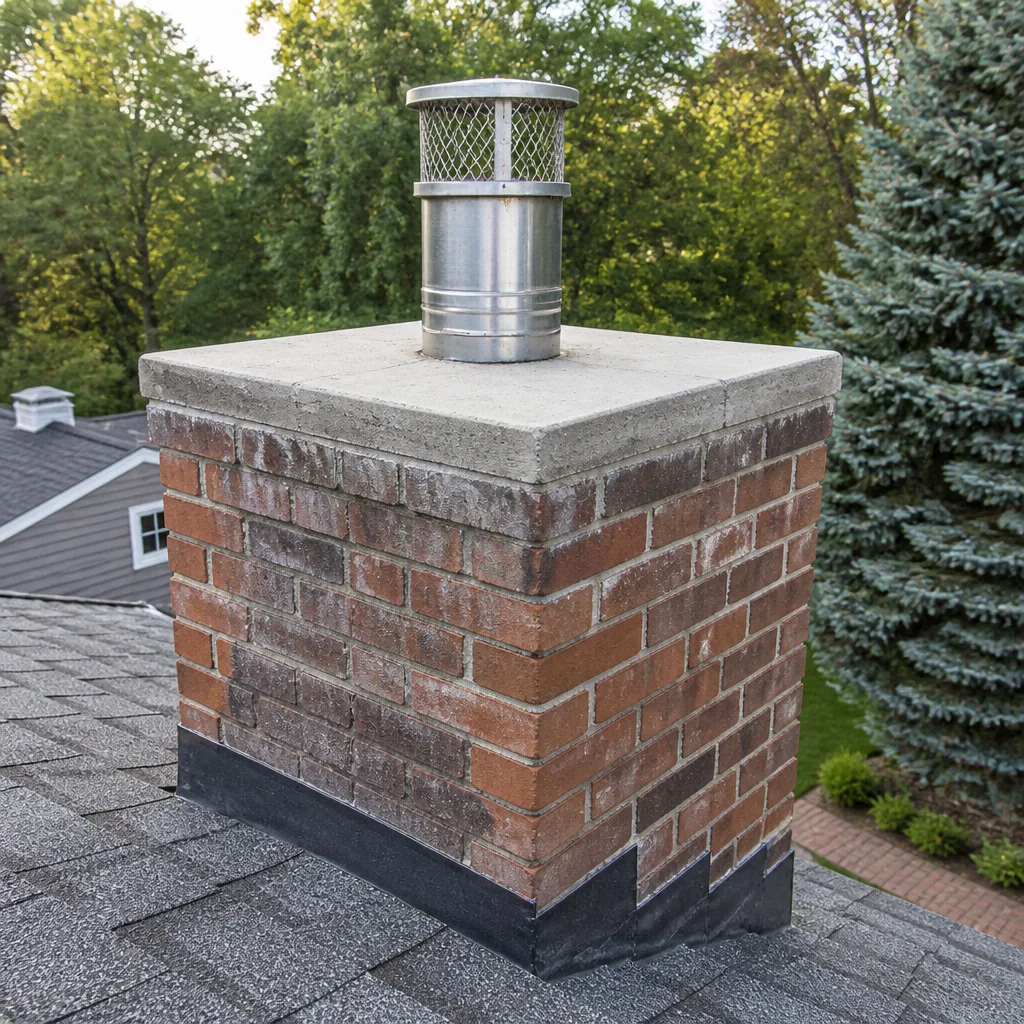 Flue relining
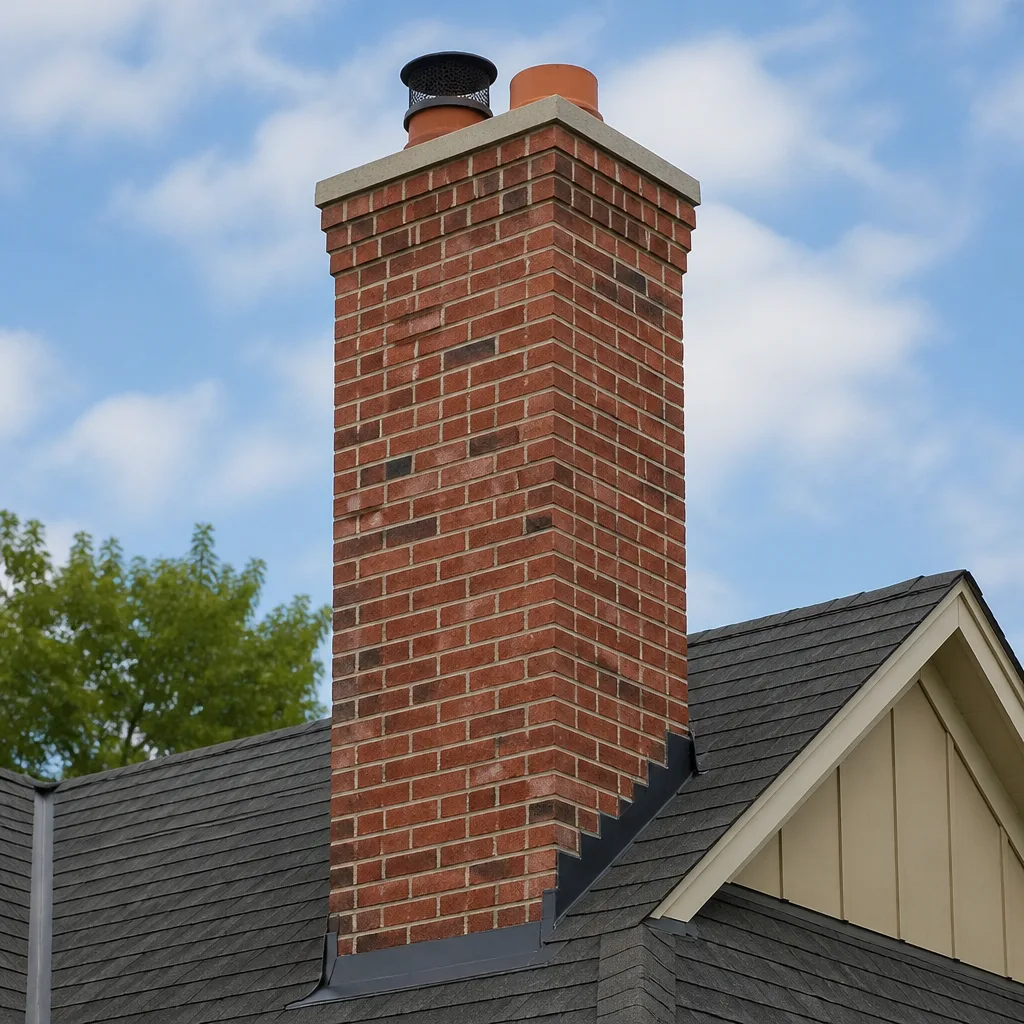 Masonry repair
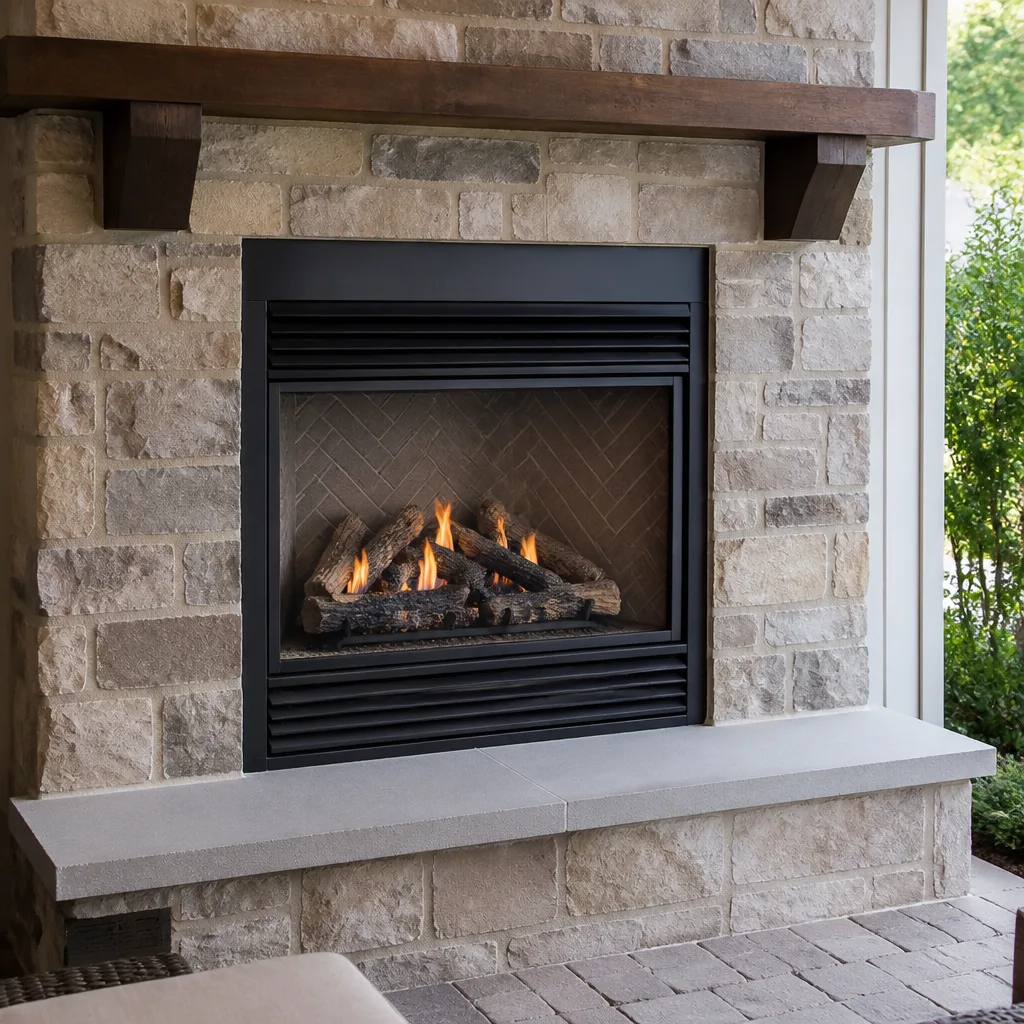 Gas fireplace service
Level 1 sweep and inspection to the NFPA 211 annual standard - flue, crown, cap, and flashing checked and photographed
Chimney sweep logs do not sweep chimneys. They loosen some creosote - which then falls where a brush and vacuum still have to collect it.
Chimney Cleaning Warning Signs: A Layton Homeowner’s Reference Guide
Most chimney warning signs don’t announce themselves. They don’t start with flames curling out of the firebox or a room filling with smoke. They start small: a faint white bloom on the brick outside, a whiff of musty air on a warm spring afternoon, a fire that takes a little longer to catch than it used to. Layton homeowners who catch these quiet signals early usually spend far less than those who wait for the obvious failure. This reference is built around what a trained sweep notices first during a routine visit, translated into things you can watch for yourself during normal use. You’ll learn how draft, odor, masonry staining, firebox condition, and sound all act as early diagnostics of your chimney’s health.
Quick Answer
The main chimney cleaning warning signs in Layton are slow or smoky draft, seasonal odors that never used to be there, white staining or crumbling mortar on the exterior masonry, rust on the damper and white haze inside the firebox, and grinding or flapping sounds during a burn. Any one of these usually means a cleaning is overdue or a liner or masonry problem has already started. Several together are a clear signal to book a professional inspection before you light another fire.
Styles & brands we work with
- Sweep & inspection
- Caps & crowns
- Flue relining
- Masonry repair
- Gas fireplace service
Table of Contents
- Draft Behavior: The First Diagnostic
- Odor Patterns by Season and What They Mean
- Exterior Masonry Signs and Their Stages
- Interior Firebox Indicators
- Sounds During Burning That Signal Liner Problems
- Why Layton Winters and Spring Runoff Affect Your Chimney
- Common Mistakes to Avoid
- When to Call a Professional
Draft Behavior: What Slow Start, Rollback, and Inconsistent Draw Tell You
Draft is the chimney’s breathing, and it reveals more about flue condition than anything else you can observe from the living room. A healthy flue pulls smoke up and out with almost no effort. When it doesn’t, the flue is telling you something specific. Learning to read three draft behaviors – slow startup, smoke rollback, and inconsistent draw – lets you catch a problem before it becomes a repair.
Slow startup means the fire takes noticeably longer to catch and build than it once did. Cool air sitting in the flue takes time to warm, and a fire fights against it. A slightly slow start is normal on a cold morning. A fire that consistently sputters where it used to roar usually points to creosote buildup narrowing the flue or a partial obstruction such as a bird nest or fallen masonry.
Smoke rollback, where smoke spills into the room instead of rising, is the draft signal you should never ignore. It can come from a flue that’s too cold, a chimney that’s too short for the appliance, a blocked cap, or a liner that has collapsed or separated. In Layton, where wind rolls off the Wasatch and shifts direction through the day, occasional morning rollback on a very cold start is not unusual. A consistent rollback every fire is not the weather; it’s the system.
Inconsistent draw shows up as a fire that burns well one day and listlessly the next, with no change in wood or technique. That pattern often means the flue is partially blocked and the obstruction shifts, or a liner has a crack that opens and closes with temperature. Partial drafts are the sneakiest warning sign because they imitate bad wood or wet fuel.
No single draft behavior tells you exactly what’s wrong. Understanding the pattern does, and that is the kind of reading a trained sweep uses to know where to look first. When a draft concern is on your mind, the honest next step is a professional look at the flue. If your draft has gone unreliable, a chimney sweep visit with a camera inspection tells you whether the issue is simple creosote or something structural.
Odor Patterns by Season and What Each Type Points To
Odors are your chimney’s quietest warning system, and they change with the season. Each class of smell tends to point to a different kind of problem, which is why we ask homeowners in Layton to describe the smell, not just report that there is one. Smell is a diagnostic.
Campfire smell in warm weather
A smoky, campfire scent coming from the fireplace on a warm day, when nothing is burning, is one of the most common complaints we hear in Layton during spring and early summer. The cause is pressure reversal combined with creosote residue in the firebox and flue. As outdoor temperatures rise above indoor temperatures, the house draws air down the chimney, dragging the smell of last winter’s deposits into the room. It’s more noticeable on still, humid days and often worst in late afternoon.
Musty or damp smell
A musty, damp, basement-like odor points to water. Rain or snowmelt is getting past the cap, crown, or flashing and reaching the masonry, and the porous brick or mortar is holding moisture. This smell usually gets stronger after precipitation and fades between storms. If you notice it in Layton after a snowmelt or rain, treat it as an early structural warning, because water in the masonry is the leading cause of expensive chimney damage.
Sharp, acrid, or chemical smell
A sharp, acrid smell – sharper than woodsmoke, sometimes described as sour or chemical – often points to heavy creosote deposits, and in the worst case, glazed creosote that has formed inside the flue. Glazed creosote is the kind that burns hot and is a genuine chimney fire risk. A faint acrid smell every time you light a fire is one we take seriously because the underlying condition is not visible from the room.
Odor patterns matter because they change before anything else visibly fails. A homeowner who tracks smell by season often books an inspection long before a draft or masonry problem shows. That’s exactly the point of watching for these signs. If a musty or acrid smell has taken hold in your home, an inspection is the answer, and the faster you book it the smaller the repair. For fireplace-side odor and firebox repair specifically, a fireplace repair assessment is the right starting point.
Exterior Masonry Signs and Their Stages
The outside of your chimney tells a story in stages, and the signs progress in a predictable order. If you learn the stages, an early sign is a mild warning and a late sign is a structural problem. Here’s the sequence most trained sweeps look for, from earliest to most serious.
- Efflorescence. White, chalky staining on the brick exterior is salt drawn to the surface by water moving through the masonry. This is the earliest visible exterior sign. By the time it’s visible, moisture is already traveling through the chimney structure. It is not cosmetic.
- Spalling. When freeze-thaw cycles crack and flake the brick faces, the brick starts shedding layers. In Layton, where winters swing above and below freezing repeatedly, spalling is common and progresses faster than most homeowners expect. Spalling means the brick itself is failing.
- Mortar joint recession. The mortar between bricks wears back, leaving the brick edges exposed. A firm, flush mortar joint is healthy; a recessed joint means the structure has lost some of its gripping power. This is a repair stage, not a cleaning stage.
- Cracked or deteriorated crown. The crown is the concrete cap on top that sheds water away from the flue. A cracked crown lets water straight into the masonry, and this is where interior damage accelerates.
- Flashing separation. The metal flashing where the chimney meets the roof can pull away, opening a path for water to enter the roof and the chimney simultaneously.
Seen together, these signs run from mild (efflorescence) to urgent (a failing crown with active water intrusion). What almost all of them have in common is water and freeze-thaw cycling. Around Layton, that means the signs often show up after the first serious cold snap or the spring thaw that follows. A camera inspection and a steady look at the exterior is how a sweep confirms which stage your chimney is in and whether a cap or crown replacement will stop the water before it reaches the flue. Cap and crown work is part of a full repair scope, and it belongs on the same call as any chimney repair you’re considering. If efflorescence or spalling is on your chimney right now, the answer is a professional evaluation, not a fresh coat of paint.
Interior Firebox Indicators
The firebox is where most homeowners look and least understand. Nearly every warning sign inside it is a small thing that means a larger thing. Three interior signals matter most: rust, white haze, and deteriorating firebrick.
Rust on the damper
A damper that used to open smoothly and now sticks, squeaks, and shows rust is a water warning. The damper lives above the firebox and above the fireplace opening, and rust on steel that shouldn’t be wet means water is getting in from above: a failed crown, a bad cap, or failing flashing. Rust on the damper is one of the most underreported chimney warning signs because it looks minor. It isn’t. It’s the firebox telling you the exterior needs a look.
White haze on the firebox walls
A white, chalky film on the interior firebox walls is the interior version of the efflorescence on the exterior. Moisture is moving through the masonry to the inside surface and leaving salts behind. Treat white haze as the interior sign of an active moisture problem, and pair it with your exterior check.
Deteriorating firebrick and mortar
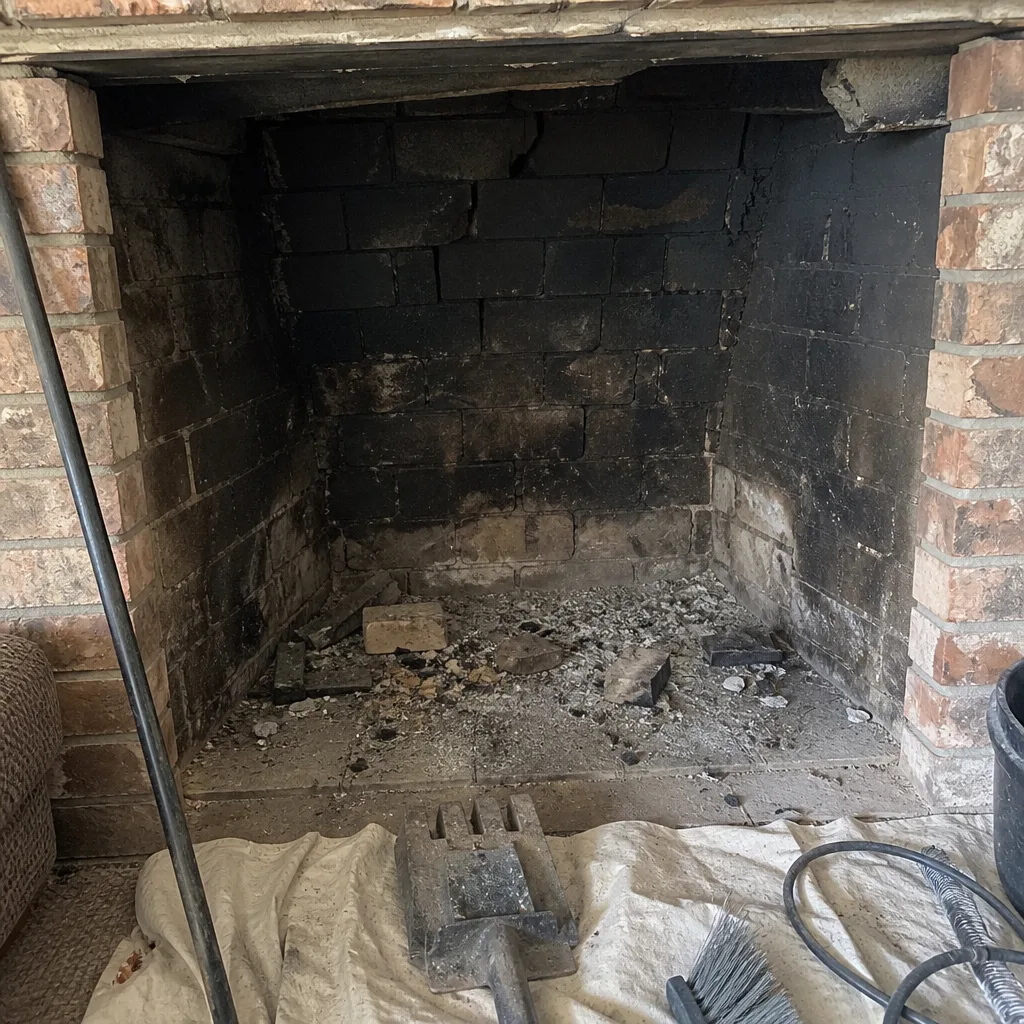
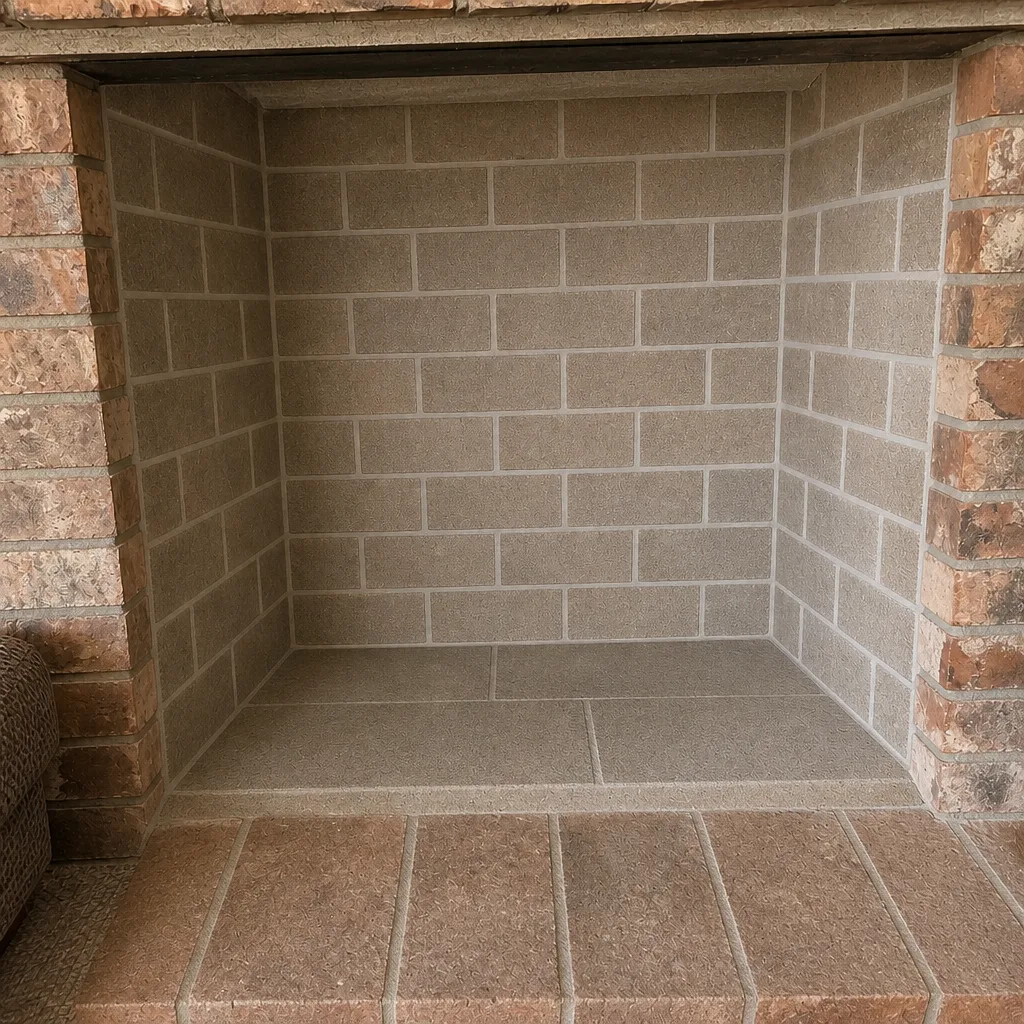
Cracked, crumbled, or receding firebrick and the mortar joints between them are a heat and water problem rolled into one. Hairline cracks that close back up after the fire cools are one thing; gaps that grow, bricks that shift, or mortar that falls out are another. Cracks open a path for heat and moisture to move behind the firebrick, and both of those shorten the life of the whole system. Deteriorating firebrick is also a sign the firebox has been overfired, run wet, or damaged by a previous draft problem.
None of these three signs are correctable with a scrub and a coat of paint. They call for the specific repair – a crown, a cap, pointing, a firebox repair, and in some cases a liner that reassures you the flue is sound before the heat problem is treated. When interior and exterior signs appear at the same time, that’s your cue to book a full inspection, not just a cleaning. Firebox and fireplace-side repair is exactly the kind of work we handle as standalone service. If your damper or firebrick is showing these signs, book a professional look before your next burn.
Sounds During Burning That Signal Liner Problems
You don’t have to see your liner to hear it. Several sounds during a burn are leading indicators of a liner problem, an obstruction, or wildlife intrusion, and they show up weeks or months before anything is visible from inside the room. Listening is free.
- Rumbling or a low roar that’s out of proportion to the fire. A healthy fire on a moderate load is quietly steady. A rumble can mean a partially collapsed liner, a flutter of a crack acting like a reed, or heavy glazed creosote catching in an unseen section.
- Popping or crackling that isn’t the wood. Sharp metallic pops, echoing cracks, or thuds that aren’t explained by the wood settling can mean a liner section has come loose or is being stressed.
- Flapping, scratching, or a rushing sound in the flue when you aren’t burning. That’s a sign of wildlife. Birds, squirrels, and raccoons enter uncapped chimneys, and you’ll often hear them first. A flapping sound with a draft problem is a strong cue to stop burning until the flue is checked.
- Whistling or high- pitched noise on cold days, which can mean a cap or a flue opening is partially blocked and air has to squeeze past. If it only happens in the cold, the obstruction is usually physical.
- Nothing at all where there should be sound. If your fire burns fast and the flue is quiet, you may have an oversized flue, which is its own warning sign that a liner may be the right long-term fix.
Sounds are the warning signs most homeowners dismiss as “just the fire” until a liner problem is confirmed and it’s expensive to address. Catching a sound early is how a minor repair stays minor. When a sound, a draft, and an odor appear together, we strongly recommend booking an inspection before the next fire. If you don’t know whether you need a sweep or a repair, start with an inspection. Our team uses professional product lines and, where the flue calls for relining, installs DuraFlex flexible stainless liner as the safe standard for a deteriorated or oversized flue, and HeatShield ceramic resurfacing where the liner can be restored rather than replaced.
Why Layton Winters and Spring Runoff Affect Your Chimney
Chimneys in Layton age differently than chimneys at sea level or in a mild climate. Two forces do most of the damage here, and both show up in the warning signs above. Knowing what they are helps you understand why a given sign appears when it does.
Freeze-thaw cycling. Winters in Layton swing above and below freezing repeatedly rather than staying cold. Every cycle pushes water into the masonry, then freezes it, and the expansion cracks mortar and brick from within. That’s why efflorescence and spalling show up outdoors first, and why a full cold snap is often when the first visible sign appears. It’s also why the crown and cap – the parts that shed water – earn their place in any repair.
Altitude and fire behavior. Homes in Layton sit at altitude, where fire burns differently than at sea level. The main effect for the chimney is more complete combustion, which is broadly good for creosote formation, but it also means draft cold-start problems behave differently from the valley-floor version of the same issue. A fire that starts slowly in Layton is more likely to be a flue temperature or obstruction issue than a wood-quality one. If you want to understand the burning side of the picture better, our Chimney Sweep Layton page lays out how we approach routine service in the local market.
Spring runoff and groundwater. The spring melt drives moisture at the roof and the chimney from every direction: rain, meltwater, and in some yards, ground moisture. That’s the season you’re most likely to first notice the musty smell or the white haze. Catching it in the spring, before summer heat bakes the masonry and before next winter’s burn, is the cheapest time to act.
Common Mistakes to Avoid
- Treating efflorescence as cosmetic. A paint or a wash will hide the white staining and trap the moisture with it. By the time the staining returns, the masonry behind it has taken more damage than the year before.
- Ignoring slow draft as a wood problem. If the wood is dry and the fire still struggles to catch, the flue is telling you something is restricting it. Spend the effort on an inspection, not on a different woodpile.
- Running the fire when you hear an unexplained sound. A rumbling, popping, or flapping noise is the flue asking to be checked. Wait until the chimney has cooled and book an inspection before the next burn.
- Getting a sweep without an inspection. A brush and go visit that skips the camera and the exterior check misses the very signs this guide describes. A sweep that doesn’t look at the liner and crown isn’t finishing the job. Our inspections are available as a standalone service for exactly that reason.
- Patching a cracked crown and leaving it. A crown is meant to shed water for years. A quick patch will fail within a season in Layton’s freeze-thaw climate, and you’ll have the same water intrusion next spring.
- Waiting for smoke in the room. By the time smoke spills into the living area, a draft problem has already progressed past the subtle stage. Watch the early signs and you’ll never have to wait for the obvious one.
- Trusting the cheapest bid and no camera. The very thing you want is a look at the liner. A quote with no inspection, no photo report, and no willingness to show you the inside of the flue is the definition of the pick that gets you a brush and little else in Layton.
Most of these mistakes share a common cause: deciding something is cosmetic that is actually structural, or deciding a repair can wait when the water or creosote behind it is still working. The fix in each case is the same – an honest assessment of what’s actually inside.
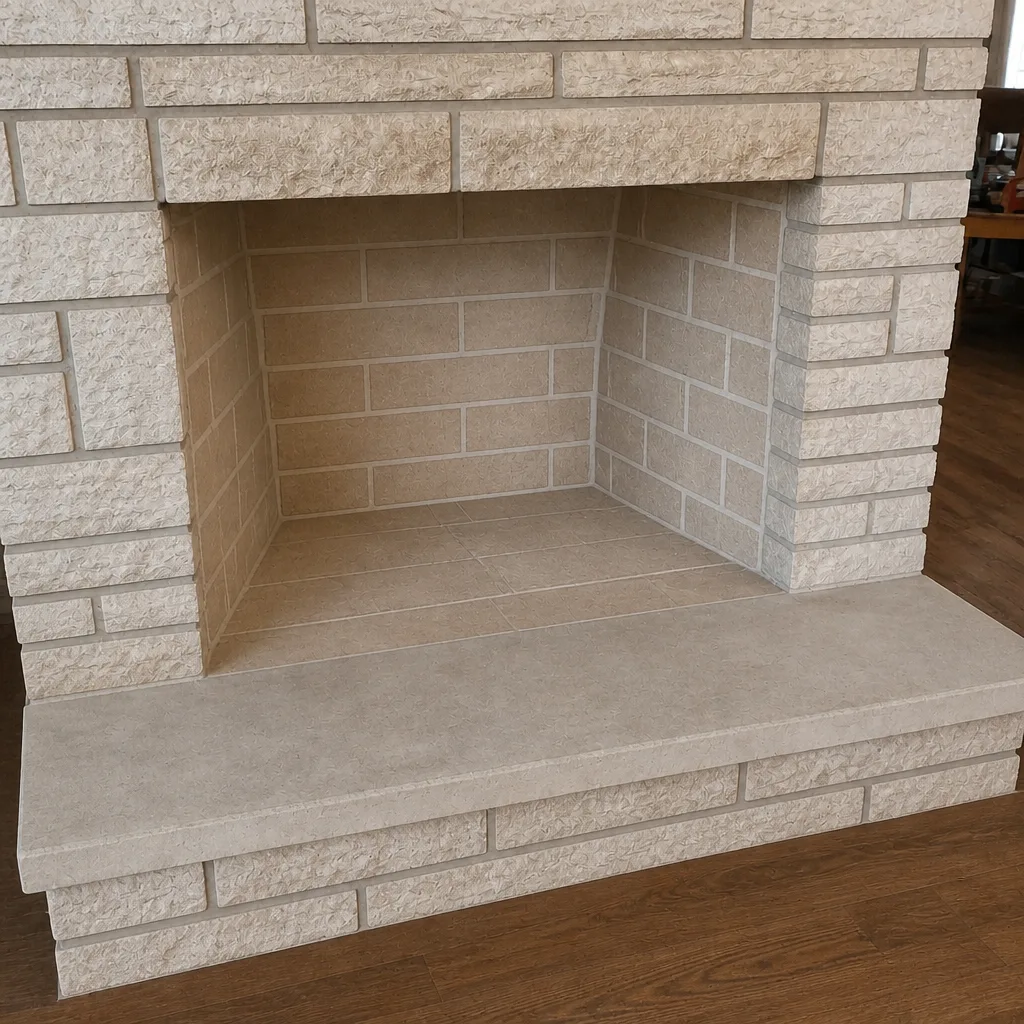
See the difference
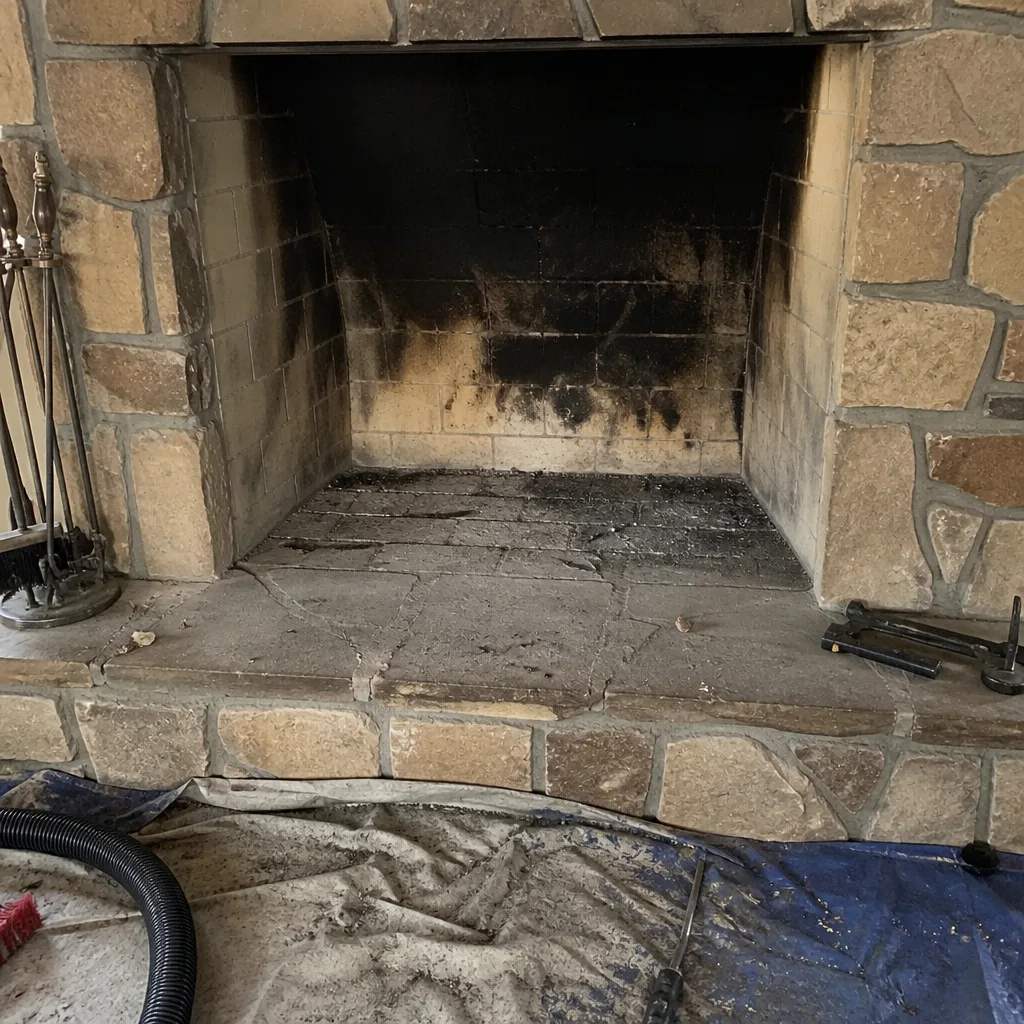 Before
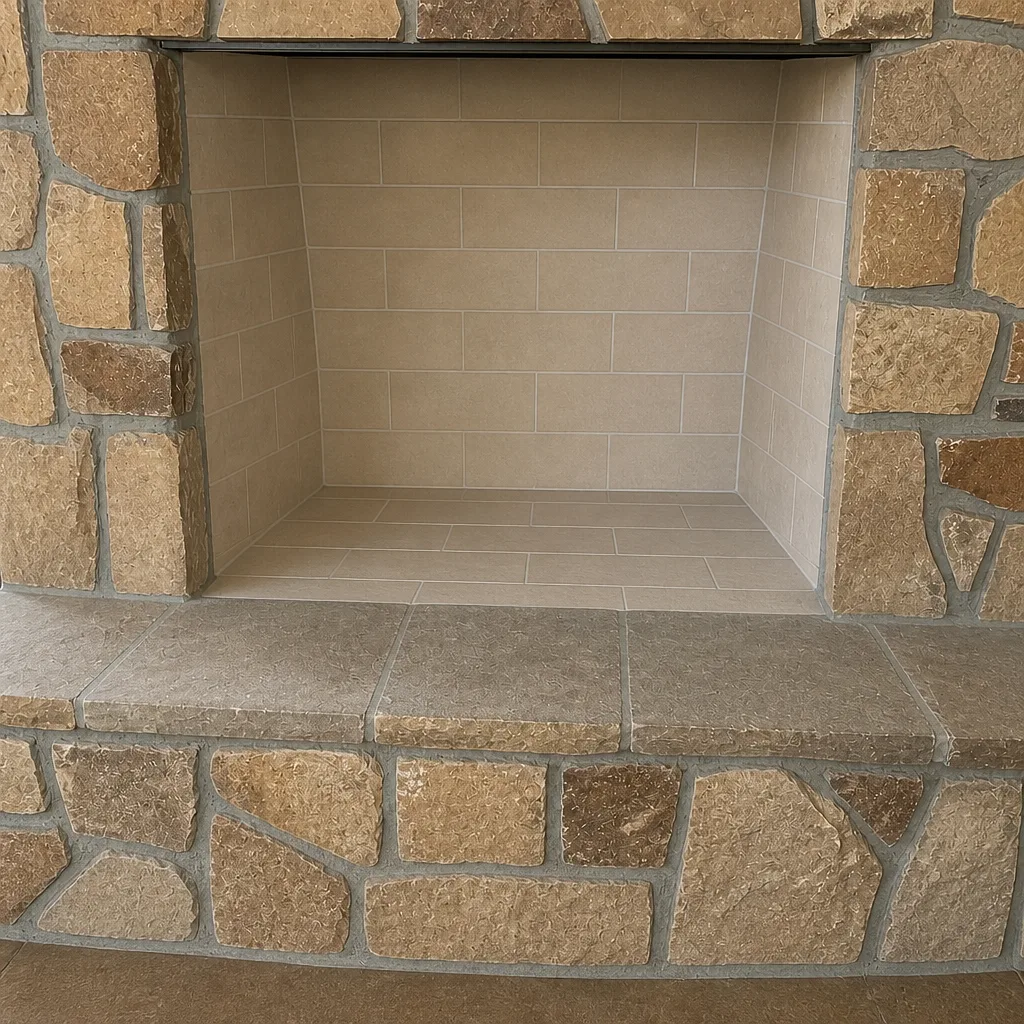 After
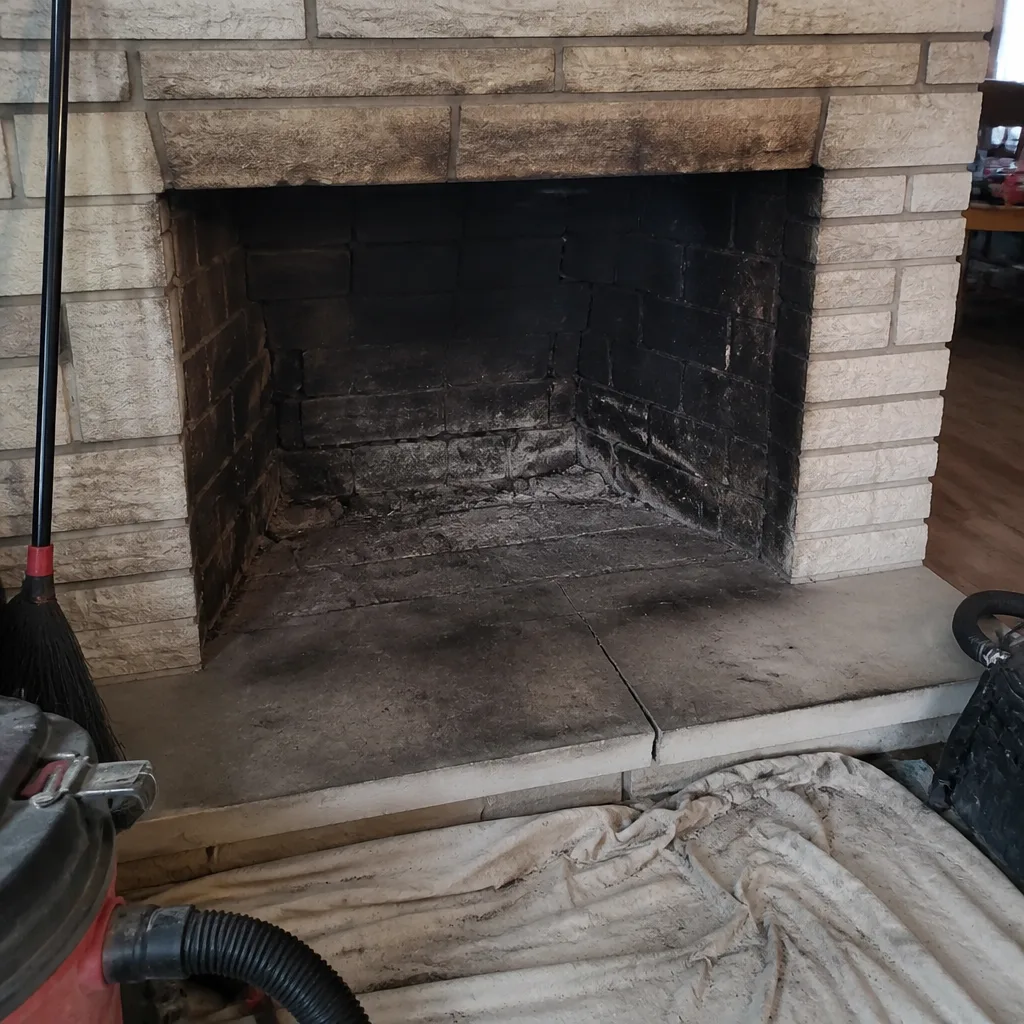 Before
 After
 Before
 After
When to Call a Professional
Some warning signs sincerely can wait a few weeks; others can’t. Call us for an inspection if you’re seeing more than one sign together, if draft has become unreliable, or if you hear a sound during a burn that you can’t explain. Call sooner if you see smoke rollback, a musty smell that lingers after every rain, or a damper that sticks and shows rust. If your firebox walls are glowing white, that’s a water problem that gets worse by the season. Our technicians have up to 8 years of experience, and we approach the inspection first and recommend nothing without showing you the inside of your own flue. Chimney Sweep Layton offers free estimates in Layton – call (888) 861-5852. We answer 24/7. Fast dispatch from 7am to 7pm, Sunday through Friday.
Frequently Asked Questions
Once a year for homes that burn regularly, and more often if you burn green or wet wood. Most homes in Layton burn enough through the winter to justify an annual visit, and the visit should include a look at the liner, crown, and cap, not just a brush. If you burn daily in the coldest weeks, ask for an inspection mid-season as well.
A sweep removes creosote from the flue; an inspection is the structural assessment that tells you what the flue actually needs. We offer inspections as a standalone service so a homeowner who just wants to know the condition can get an honest answer without being sold a repair first. A sweep without an inspection can miss exactly the early warning signs in this guide.
Partly – exterior masonry signs are visible, but the flue itself is not. White staining, spalling brick, and recessed mortar joints on the outside all point to a chimney that needs attention, yet the creosote load and the condition of the liner only reveal themselves with a proper look down the flue. The exterior signs are the start of the story, not the end.
Usually, yes. A musty smell in Layton after rain or snowmelt means water is reaching the masonry somewhere above. The cause is typically a failed crown, a cap issue, or flashing separation. Left alone, the water travels into the flue structure. It’s worth an inspection to find where it’s entering, and a repair to close the path.
Warm-weather campfire smell is a pressure and residue issue, not a new fire. As outdoor temperatures rise, the house draws air down the flue and drags last season’s creosote smell into the room. A proper sweep and a look at the firebox usually resolves it, and a cap or a liner assessment may be part of the answer if the smell returns every year.
Some liners can be resurfaced and some cannot, and the difference is the condition of the existing liner, which you only know after a camera inspection. When the flue is deteriorated, DuraFlex flexible stainless liner is the durable replacement. When it can be restored, HeatShield ceramic resurfacing is a specialized repair option. The answer starts with an inspection and a written assessment.
If you’re weighing a liner decision right now, call (888) 861-5852 and we’ll walk you through what we find. Estimates are free.
The Bottom Line
Chimney problems don’t usually announce themselves with flames or a room full of smoke. They start with a slow-catching fire, a smell you can’t place, a white bloom on the brick, sticking rust on the damper, or a sound that’s out of keeping with the fire. Those subtle signs are the early warnings, and catching them is what separates a simple cleaning from a structural repair. In Layton’s freeze-thaw winters, moisture is the force behind most masonry damage, and the earlier it’s caught the cheaper it is to correct. We install professional-grade product lines, stand behind honest inspections, and tell you plainly when the chimney and the plan can wait. Call Chimney Sweep Layton today and book an inspection. We answer 24/7. Fast dispatch from 7am to 7pm, Sunday through Friday.
Written by the team at Chimney Sweep Layton.