
Last updated November 24, 2026
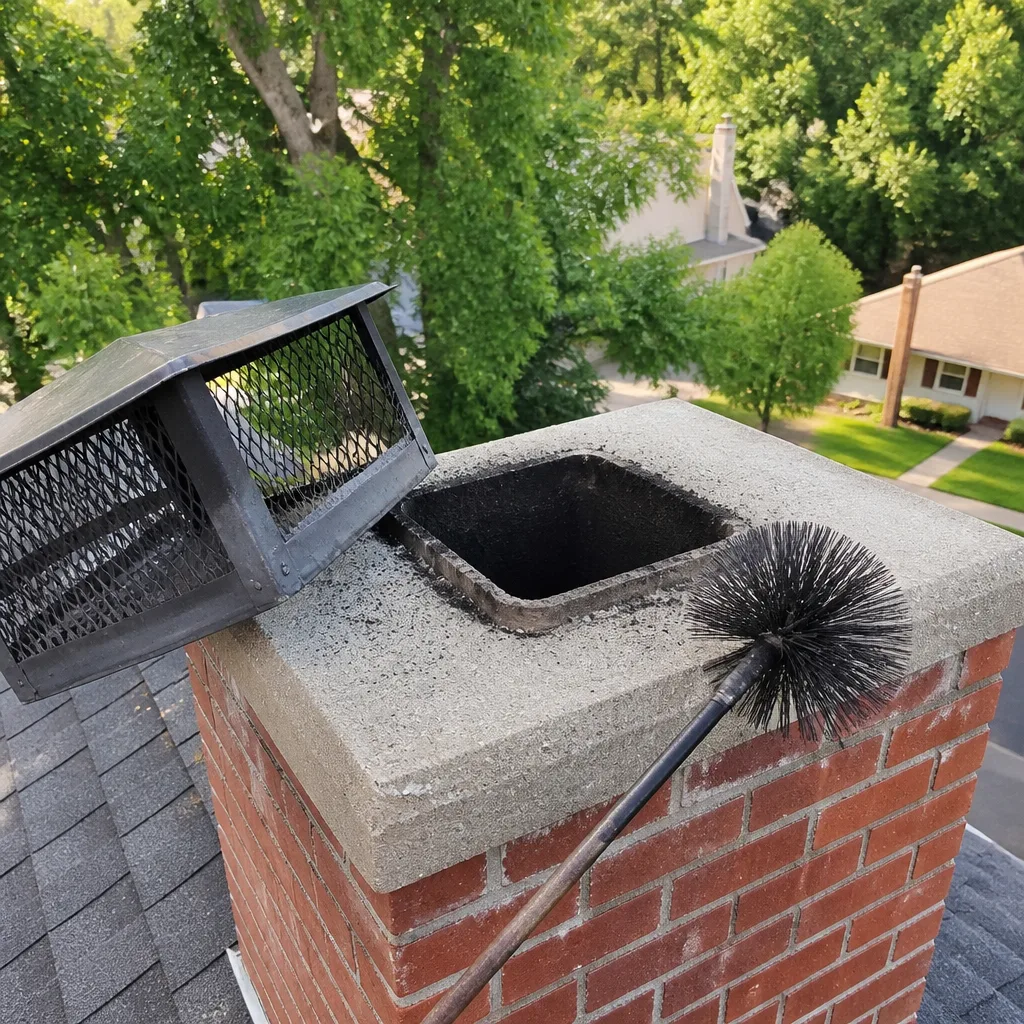 Sweep & inspection
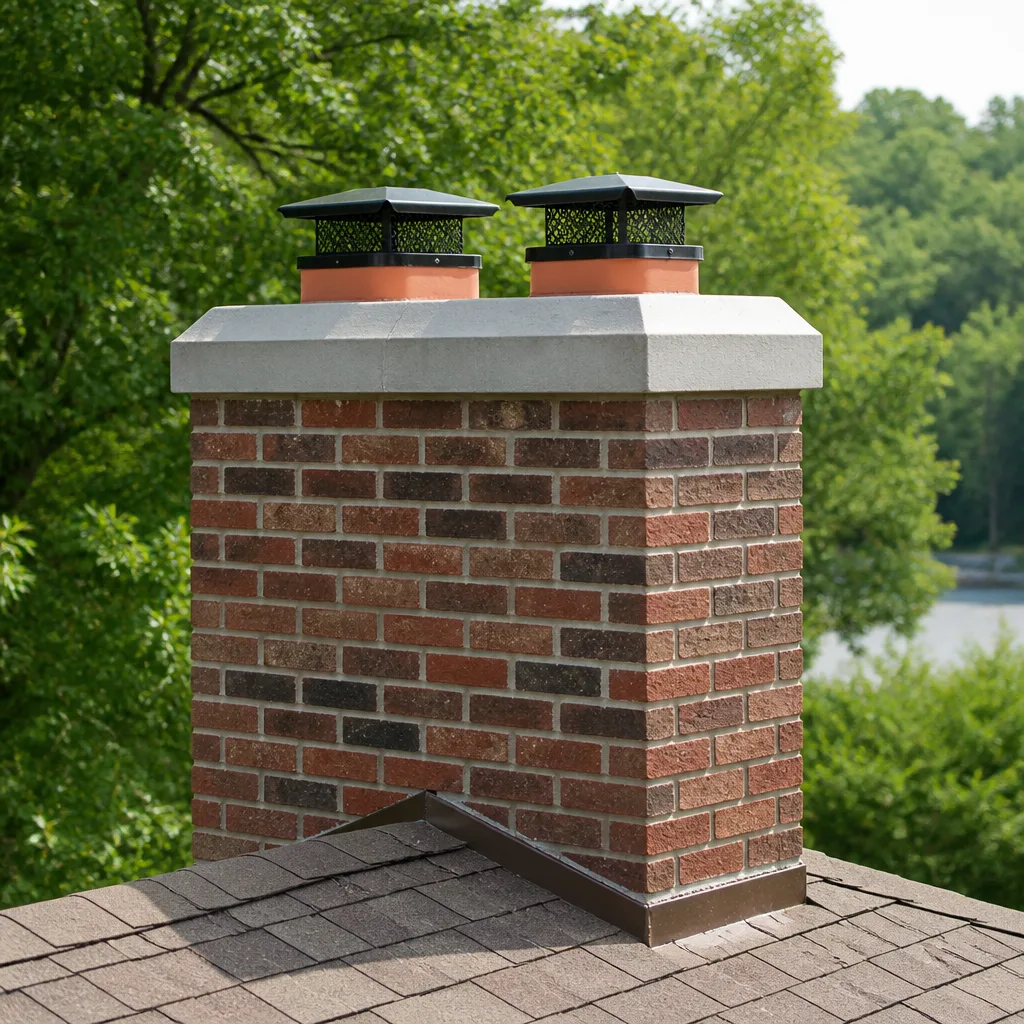 Caps & crowns
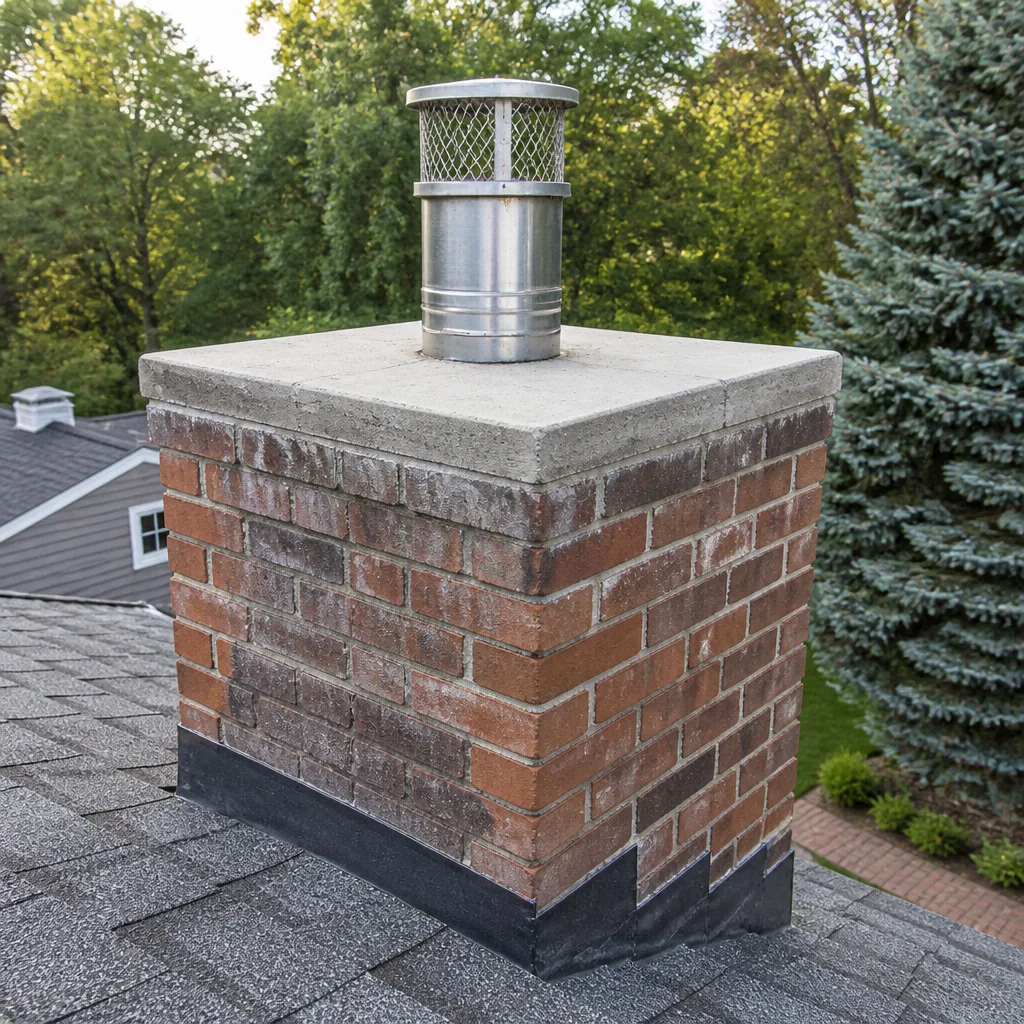 Flue relining
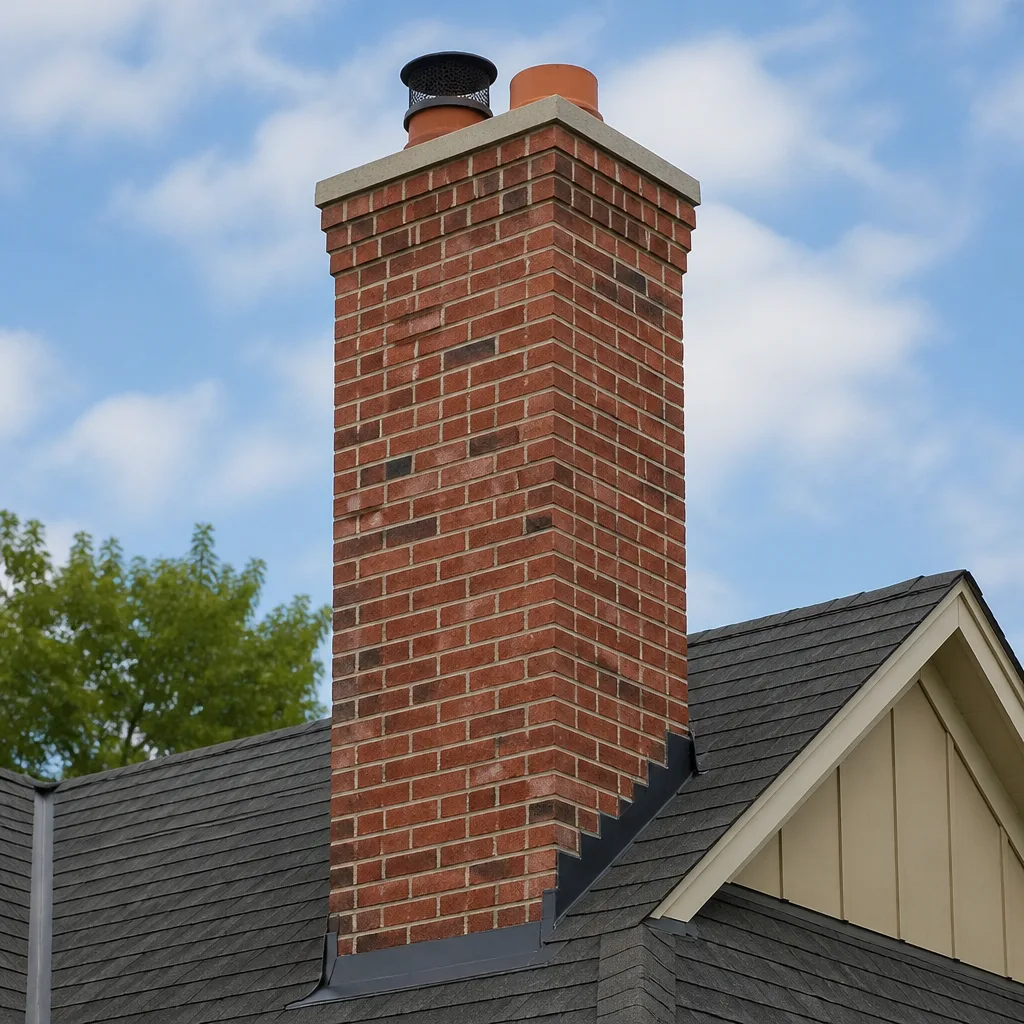 Masonry repair
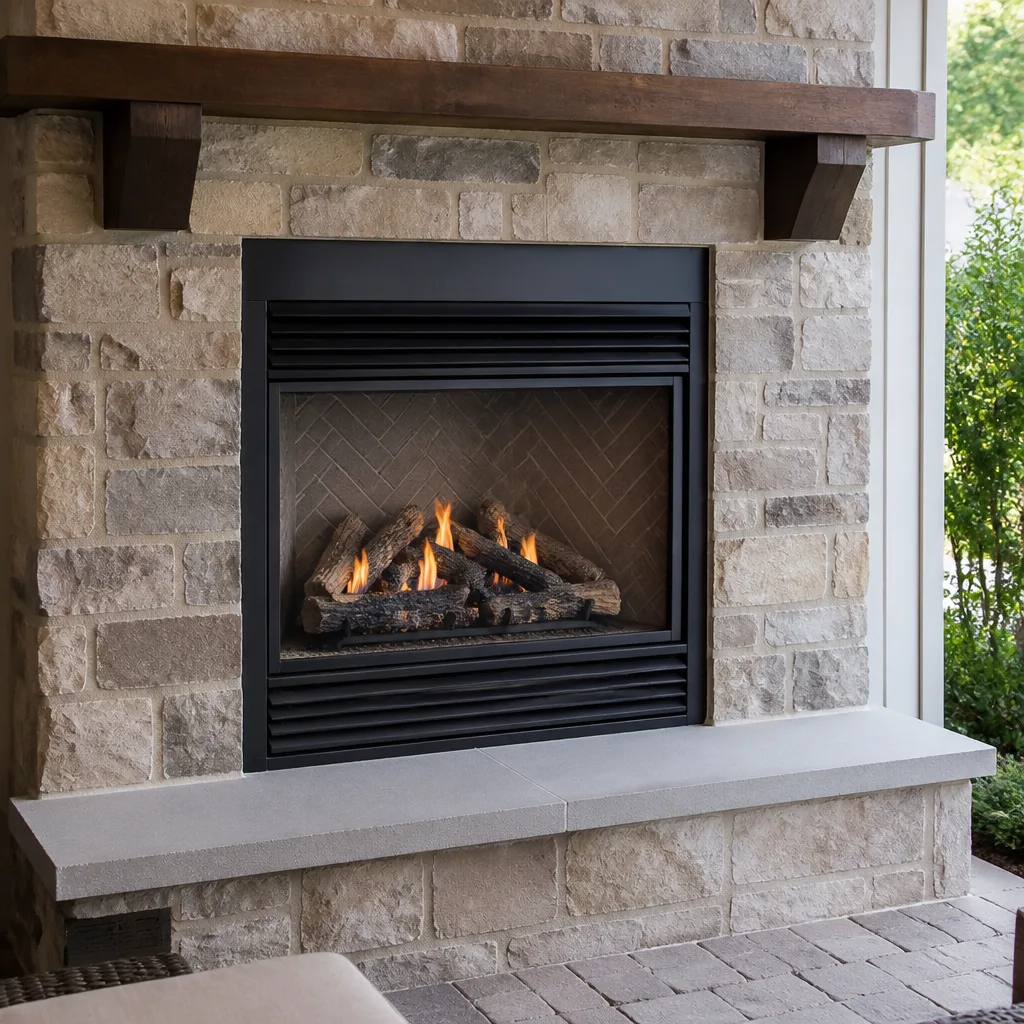 Gas fireplace service
Level 1 sweep and inspection to the NFPA 211 annual standard - flue, crown, cap, and flashing checked and photographed
Chimney sweep logs do not sweep chimneys. They loosen some creosote - which then falls where a brush and vacuum still have to collect it.
The Complete Guide to Chimney Cleaning in Layton
Most homeowners think a chimney cleaning is one task: someone runs a brush up the flue, sweeps the soot into a vacuum, and leaves. That picture is incomplete, and in Layton it’s incomplete in ways that matter. This city sits at roughly 4,400 feet elevation, winters run cold and long, and most households burn real wood through the heating months. Altitude and cold change how fuel burns and how fast creosote builds. A flue that looks fine from the firebox can be hiding a glazed deposit two feet up. This guide maps the whole system – the sweep, the inspection levels, the fuel you burn, the flue materials common in Layton homes – so you know what a real cleaning involves and when to stop brushing and start repairing.
Quick Answer
A chimney cleaning in Layton is a full-system service, not just a brush-down: it includes removing creosote and soot from the firebox, smoke chamber, and flue, then inspecting the liner, cap, crown, and mortar joints for damage. Because of Layton’s cold, high-altitude winters and heavy wood-burning, a professional sweep once a year – or after roughly a cord of wood – is the working standard. A proper cleaning also tells you the condition of the flue, which a discounted sweep often skips entirely.
Styles & brands we work with
- Sweep & inspection
- Caps & crowns
- Flue relining
- Masonry repair
- Gas fireplace service
Table of Contents
- Why Layton’s Elevation and Cold Change the Cleaning Math
- Creosote Stages and How Fast They Develop Here
- Fuel Types Common in Layton and How Each Affects Cleaning Frequency
- What a Full-Service Cleaning Actually Includes
- Level 1, 2, and 3 Inspections Under NFPA 211
- Clay Tile Flues vs. Stainless Liner Systems
- What You Can Check Yourself and Where to Stop
- How Often to Schedule a Sweep in Layton
Why Layton’s Elevation and Cold Change the Cleaning Math
Layton sits at over 4,400 feet, and that altitude changes how wood burns, how creosote deposits, and how often your flue actually needs attention. Thinner air at elevation means less oxygen per cubic foot reaching the fire, and a fire that burns cool and slow produces more creosote than a hot, fast fire. Combine that with the long cold stretches along the Wasatch Front, when a fire may smolder overnight instead of burning hot, and you get deposits that stage faster than a national-average schedule would suggest.
The cold itself compounds the problem. A flue that stays cold resists drafting, and a weak draft sends smoke and unburned gases up slower, cooling further and dropping residue along the way. In a Layton winter, an exterior chimney can take a while to warm up on each fire, and those cool start-up minutes are exactly when deposits build.
What does that mean for scheduling? Simple rules of thumb built for milder climates tend to lag reality here. If you burn regularly through a Layton winter, an annual sweep is the floor, not the ceiling. Heavy burners – households that keep a fire going most cold nights – often need a mid-season look as well. The exact interval depends on your fuel, your appliance, and how you run the fire, which is why the visual check that comes with a professional sweep matters more than a calendar date.
Elevation also affects the appliance. Wood stoves and inserts behave differently when the air is thin, and a unit that ran clean at sea level may need its air controls adjusted to burn hot enough to keep deposits down. A technician who works this region knows the adjustment. A generic guide written for the national average won’t mention it.
Creosote Stages and How Fast They Develop Here
Creosote is the residue left when wood smoke cools on the flue walls, and it moves through three recognizable stages. Recognizing which stage you’re looking at tells you whether a routine sweep will do or whether something needs to be resurfaced or relined.
The Three Stages
- First-degree creosote is light, flaky, and soot-like. It brushes off with a standard flue brush and is what most annual cleanings are removing. If you’re on a normal schedule, this is where you want to stay.
- Second-degree creosote is denser – a crusty, sometimes tar-like layer that clings harder and may need more aggressive tooling to remove completely. It signals that the fire has been running cool or the flue has been staying cold.
- Third-degree creosote is glazed and hardened, sometimes glassy. It’s the most combustible stage and the hardest to remove. Brushing alone often won’t touch it; it can call for chemical treatment or, in serious cases, relining the flue.
Why Layton Pushes Deposits Toward Stage Two and Three Faster
In a mild climate, a fire that runs cool occasionally is no big deal. In Layton’s cold and thin air, cool burns are the default unless you manage the fire carefully. Smoldering overnight fires, damp wood, and a flue that stays cold between burns all push deposits toward the denser stages faster than a national average suggests. That’s not hype; it’s a function of elevation and weather. It’s also why an inspection that actually looks up the flue – not just a quick brush and out the door – matters here more than in places where fires burn hot most of the year.
One thing worth knowing: you can’t reliably tell first-degree from third-degree creosote from the firebox looking up. The serious deposits can be higher in the flue where the smoke has cooled most. That’s why the camera and the light go up the flue, not just the brush.
Fuel Types Common in Layton and How Each Affects Cleaning Frequency
The wood you burn is one of the biggest variables in how fast your flue fouls. Layton households burn a mix, and each fuel leaves its own signature. Here’s the short version:
- Pine and softwoods light easily and burn hot, but their resin content produces more creosote and more soot per cord. They’re fine for getting a fire going or for a quick burn, but a steady diet of softwood means more frequent sweeps.
- Oak and dense hardwoods burn longer and cleaner when properly seasoned, producing less creosote per unit of heat. The catch is seasoning: oak needs real drying time, and green oak produces far more deposits than dry oak.
- Mixed hardwood is what many Layton households actually burn, and it sits in between. It’s a reasonable default, but the seasoning matters more than the species name on the cord.
- Damp or unseasoned wood is the real troublemaker regardless of species. Wet wood spends its heat boiling off moisture instead of burning clean, and that cool, steamy fire is a creosote factory.
Two practical rules follow from this. First, buy seasoned wood or season it yourself; dry wood is the single best defense against fast creosote buildup. Second, if you burn a lot of pine or softwood, plan on a sweep on the tighter end of the range. If you burn dry hardwood and run hot fires, you have more slack – but not unlimited slack, especially in a Layton winter.
Pellet stoves and gas appliances have their own service rhythms, and they don’t produce creosote the same way wood does. They still need annual servicing, and a venting check is part of it. If you’re not sure which category your appliance falls into, that’s a good question to raise when you book a chimney sweep.
What a Full-Service Cleaning Actually Includes
A full-service cleaning covers the whole system from firebox to crown. A discounted sweep, by contrast, is usually a brush up the flue and nothing else. The difference shows up later, when a problem the cheap sweep never checked becomes a repair. Here’s what a complete cleaning involves:
- Protect the room. Drop cloths and a sealed vacuum setup keep soot out of your living space. This is the first thing that should happen, before any tool goes in.
- Clean the firebox and smoke chamber. The firebox, damper area, and the smoke chamber above it collect soot and creosote that a flue-only brush leaves behind. The smoke chamber in particular is often skipped, and it’s where deposits can hide.
- Brush and vacuum the flue. The flue gets brushed top to bottom with the right tool for its material, and the residue is captured, not released into the room.
- Inspect the liner. This is the step cheap sweeps skip. The liner gets a visual check, and where needed a camera run, to look for cracks, gaps, and glazed deposits.
- Check the cap and crown. A missing or damaged cap lets water, animals, and debris in. A cracked crown lets water into the masonry. Both are common and both are fixable.
- Check the mortar joints and exterior. Spalling brick, crumbling mortar, and staining on the exterior tell you what’s happening inside the flue.
- Report what was found. You get a plain explanation of condition – what’s fine, what needs watching, and what needs repair – ideally with photos you can see for yourself.
The reason this matters is simple: nothing should be recommended without camera evidence you can see for yourself. If your chimney is fine, we say so. The full scope also means one company handles the sweep, the inspection, the repair, and the cap – no handoffs, no gaps between contractors who each assume the other checked something.
Level 1, 2, and 3 Inspections Under NFPA 211
NFPA 211, the standard that governs chimneys and venting, defines three inspection levels, and each is triggered by different circumstances. Knowing the difference helps you ask for the right service instead of accepting whatever a sweep offers by default.
Level 1 Inspection
This is the routine check that comes with an annual cleaning. It covers the readily accessible parts of the system – firebox, damper, the visible portion of the flue, and the exterior where reachable – without tools that require disassembly. If you’ve been burning the same fuel in the same appliance and nothing has changed, a Level 1 is the baseline. It’s the inspection most households need most years.
Level 2 Inspection
A Level 2 goes further and includes a camera inspection of the flue interior, plus accessible attics and crawl spaces where the vent passes through. NFPA 211 calls for a Level 2 when there’s been a change: a new appliance, a fuel switch, a chimney fire, a property sale or transfer, or any event that could have damaged the flue. This is also the level you want if you’re buying or selling a home in Layton and need documented condition – a report you can hand to a lender, an insurer, or a buyer.
Level 3 Inspection
A Level 3 is the most involved and is only called for when a serious hazard is suspected and the first two levels can’t resolve it. It can involve removing parts of the chimney or building to get access to concealed areas. It’s the exception, not the routine. If someone quotes you a Level 3 before doing a Level 1 or 2, ask why.
Inspections are available as a standalone service, not just as a sales pitch attached to a cleaning. That matters when you need an honest structural assessment before any repair is recommended, or when a real estate transaction needs a documented evaluation. We tell you what we find; the inspection stands on its own. For structural fixes that come out of it, see chimney repair.
Clay Tile Flues vs. Stainless Liner Systems
Older Layton homes commonly have clay tile flues, and newer or relined homes often have stainless liner systems. The two need different tools, different techniques, and different expectations for how long they last. A sweep who treats them the same is cutting corners.
Clay Tile Flues
Clay tile liners are built from stacked sections with mortar joints between them. Over years of heating and cooling, those joints can crack, and the tiles themselves can spall or separate. Cleaning a clay flue calls for brushes matched to the tile, careful work around joints, and a close inspection for cracks that a rushed sweep might miss. Once a clay flue is significantly deteriorated, patching joints isn’t always enough. Ceramic resurfacing – the HeatShield system is one example – can restore a damaged flue from the inside, and it’s a specialized capability most local sweep companies don’t carry or know how to apply. When the flue is too far gone for resurfacing, a flexible stainless liner is the professional solution. DuraFlex is the flexible stainless product line we install for exactly this.
Stainless Liner Systems
Stainless liners are more forgiving to clean but still need the right brush and a careful look at the seams, the top connection, and the cap. A liner that’s come loose at the top or developed a gap at a joint can let creosote and heat reach the masonry around it, which is the failure you’re trying to avoid. The advantage of a proper stainless system is durability and predictable cleaning; the catch is that installation quality determines everything. We install professional-grade liner materials, including DuraFlex and Olympia Chimney products, because a liner is only as good as the material and the fit.
Caps and crowns finish the job either way. A chimney repair that ignores the top of the system is a repair waiting to be undone by the next rain or the next nesting animal.
What You Can Check Yourself and Where to Stop
There’s a safe middle ground between a full sweep and doing nothing. You can check a few things yourself without getting on the roof or putting a tool up a flue. Beyond that, stop and call a professional.
- You can check the damper. Open and close it, and confirm it moves freely and seals. A damper that won’t close fully wastes heat and can let cold air down.
- You can look at the firebox for obvious cracks. Cracks in the firebox brick or the mortar around it are a sign of trouble and worth a professional look.
- You can check the cap from the ground. If you can see the top of the chimney safely, look for a missing or damaged cap and for visible staining or crumbling mortar.
- You can watch how the fire burns. A fire that smokes heavily, burns sluggishly, or smells strongly of creosote is telling you something. Note it and mention it when you call.
What you shouldn’t do is climb on the roof, put a brush up the flue without the right equipment, or try to remove glazed creosote yourself. Chimney work involves heights, and third-degree creosote is genuinely dangerous to disturb improperly. The safe move is to check the easy things and hand the rest to someone trained for it. That’s not a sales line; it’s the same advice a real chimney professional gives.
How Often to Schedule a Sweep in Layton
Once a year is the working standard for a household that burns wood regularly, and in Layton’s climate that’s the right baseline. Here’s how to adjust it for your situation:
- Regular wood burner, dry hardwood: annual sweep, ideally before the heating season starts.
- Heavy burner or softwood-heavy: annual sweep plus a mid-season check, especially if you notice sluggish draft or heavy smoke.
- Occasional burner: still annual, because deposits don’t clear themselves and a flue that sits idle can still have last season’s buildup.
- After any chimney fire, new appliance, or fuel change: book a Level 2 inspection regardless of when the last sweep was.
- Buying or selling a home: get a documented inspection before closing.
Timing matters as much as frequency. Booking before the first cold snap means you’re not competing for a slot when everyone else decides to call. A cleaning done in the shoulder season gets you ready for winter, and it means any repair a sweep uncovers can be handled without racing the weather. We answer 24/7. Fast dispatch from 7am to 7pm, Sunday through Friday, so booking a slot is straightforward whenever you decide to schedule. If you’ve already got a sweep on the calendar and want the full picture of annual care at Chimney Sweep Layton, that’s the place to start.
Common Mistakes to Avoid
- Accepting a flue-only brush-down. A sweep that cleans the flue but never checks the liner, cap, or crown leaves the parts most likely to fail untouched. Ask what the service includes before you book.
- Burning wet or unseasoned wood. Damp wood is the fastest route to fast creosote buildup, and it’s avoidable. Buy seasoned or season it yourself.
- Waiting for smoke problems to call. Serious creosote doesn’t announce itself with obvious smoke; by the time you notice trouble, deposits may already be at a stage that costs more to fix.
- Confusing a Level 1 with a documented inspection. If you need a report for a sale or an insurer, a routine cleaning isn’t the same thing. Ask for a Level 2 with camera documentation.
- Skipping the cap because “it looks fine.” A missing or damaged cap is one of the most common causes of water damage and animal intrusion. Have it checked every visit.
- Letting a handyman sweep as a side job. Chimney work is a specialty. The tools, the materials, and the inspection standards are different from general home repair, and the shortcuts show up later.
- Assuming a clay flue is fine because it’s old and has always worked. Clay tiles crack with age and heat cycling, and a cracked tile is exactly what a visual sweep misses. The camera matters.
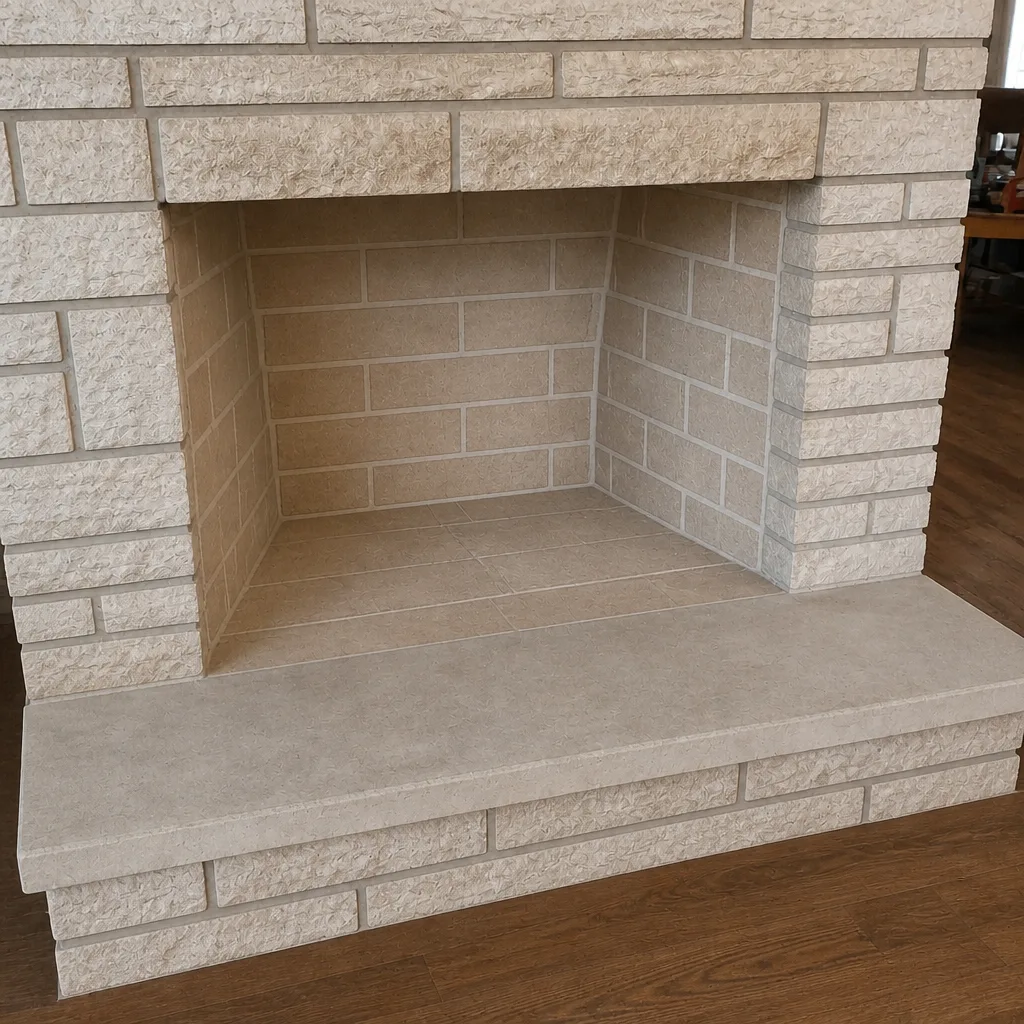
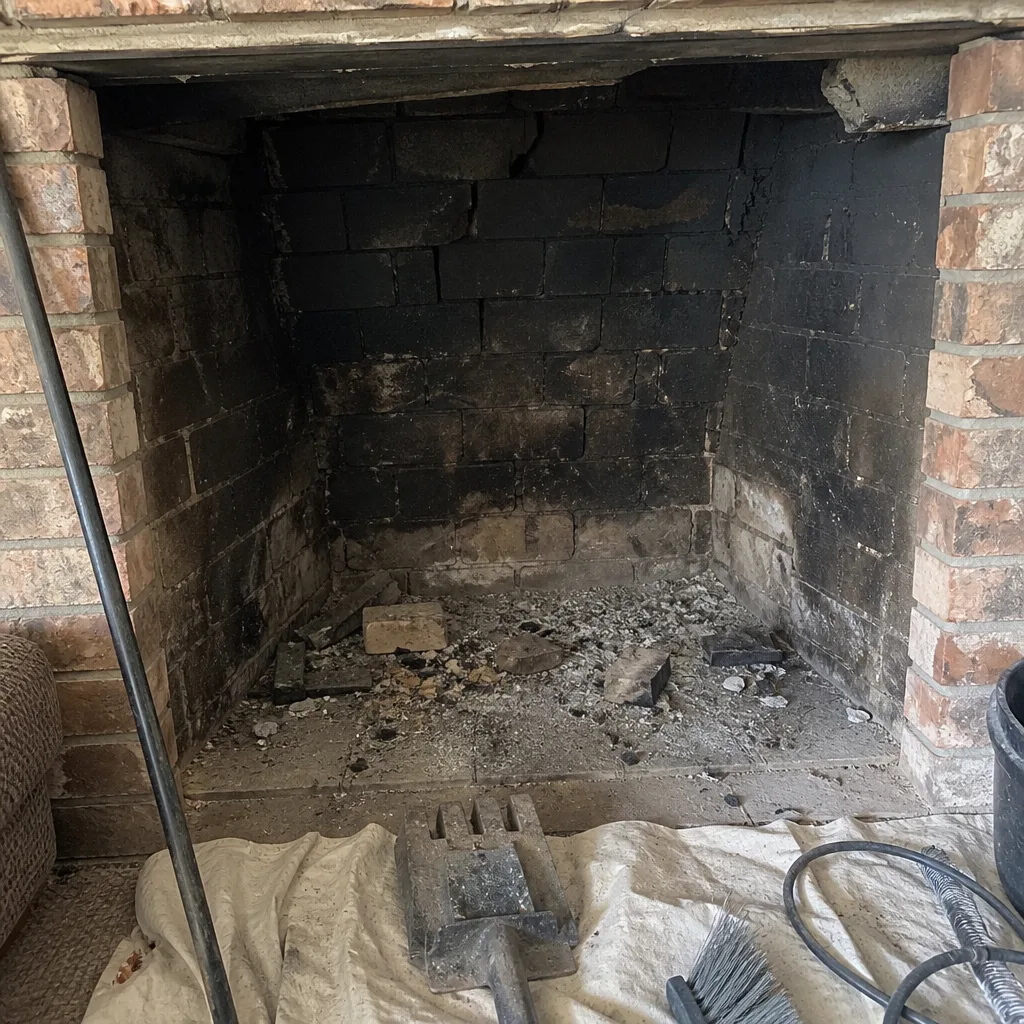
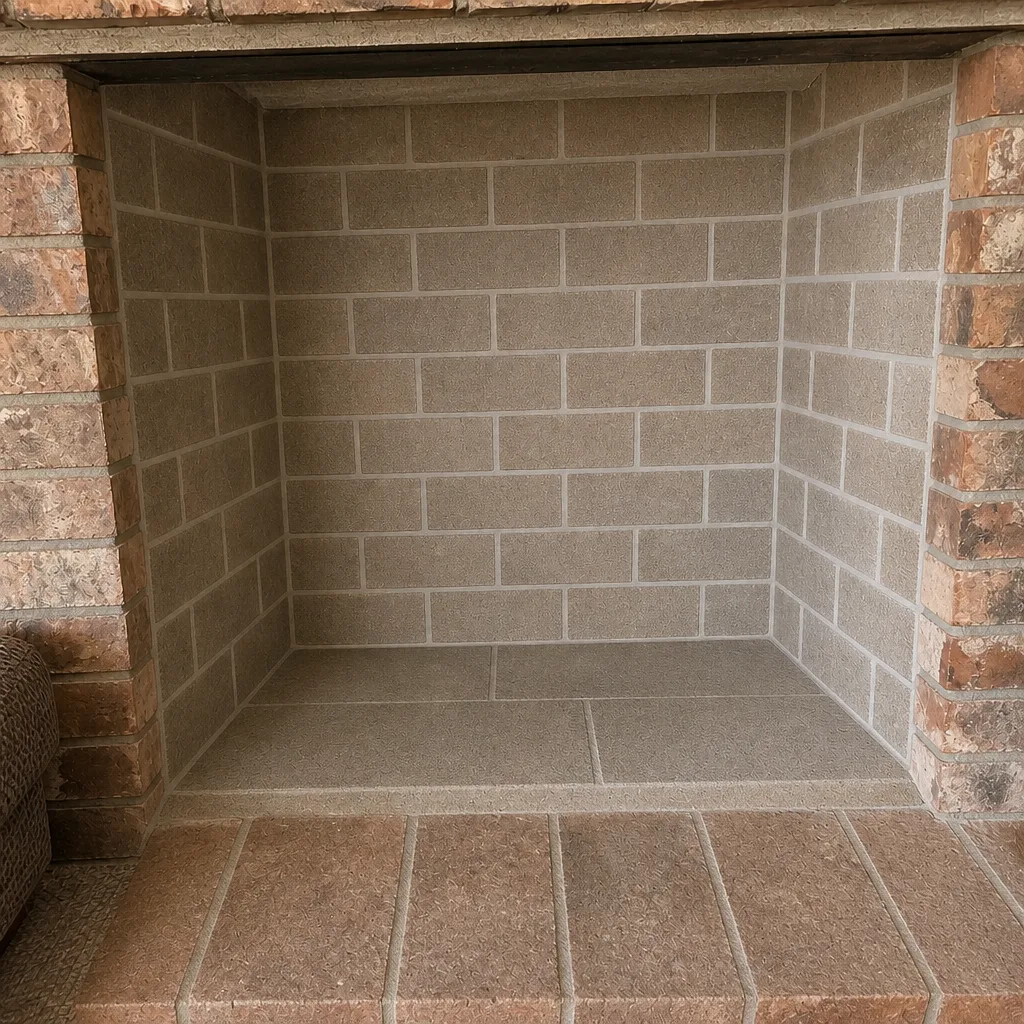
See the difference
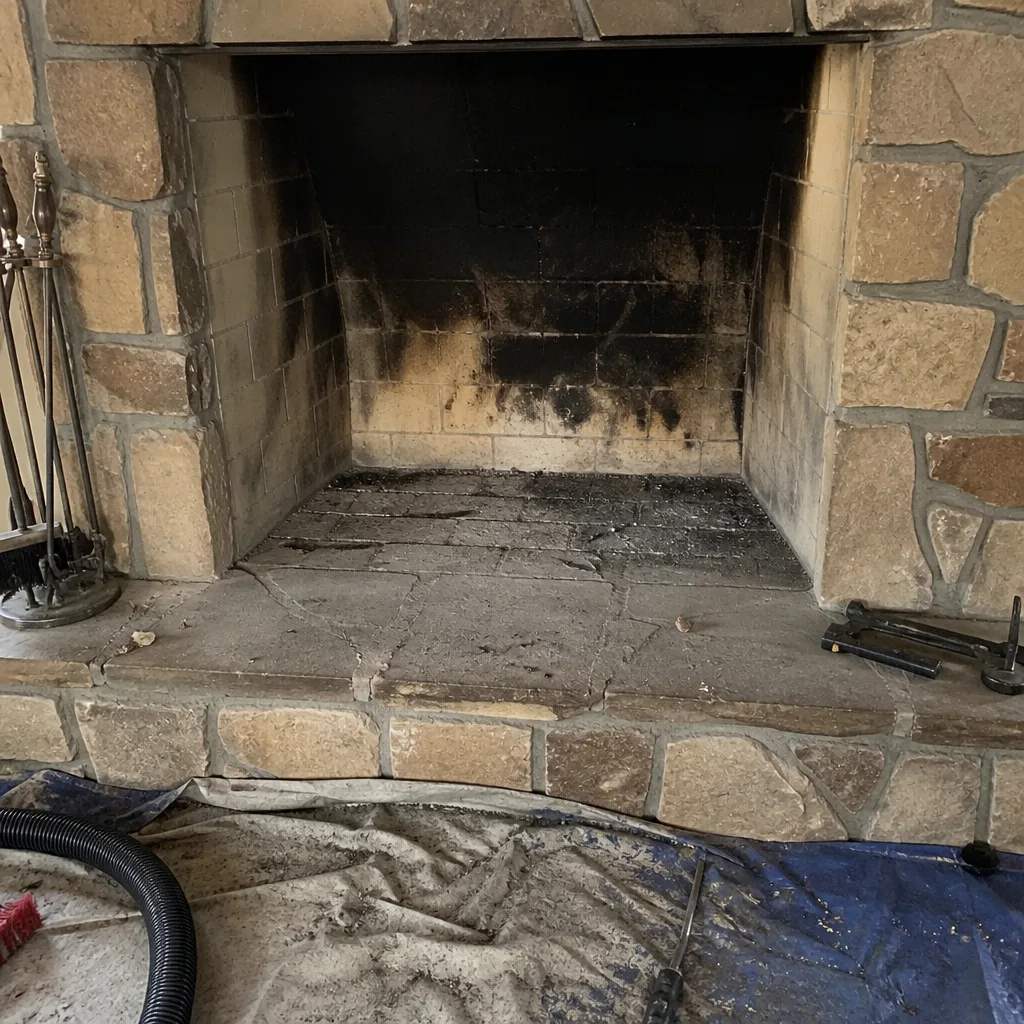 Before
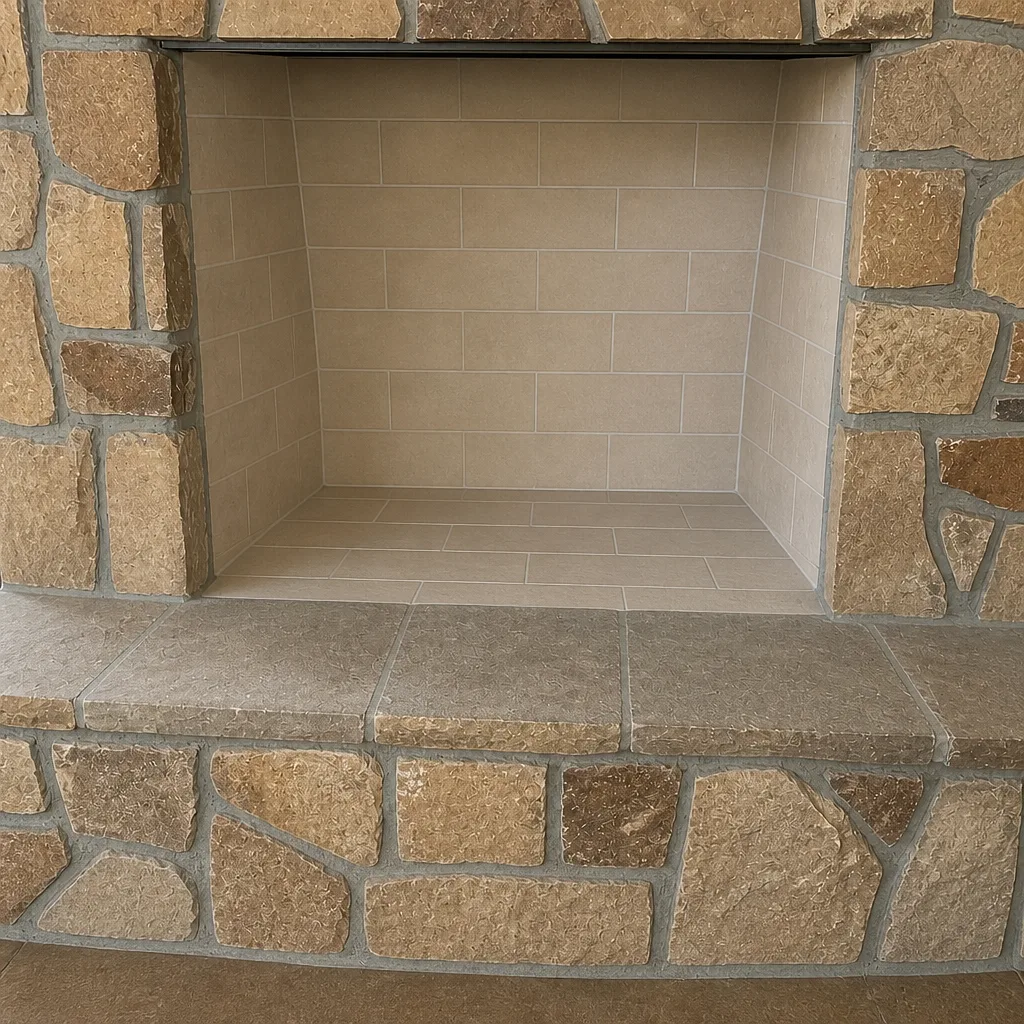 After
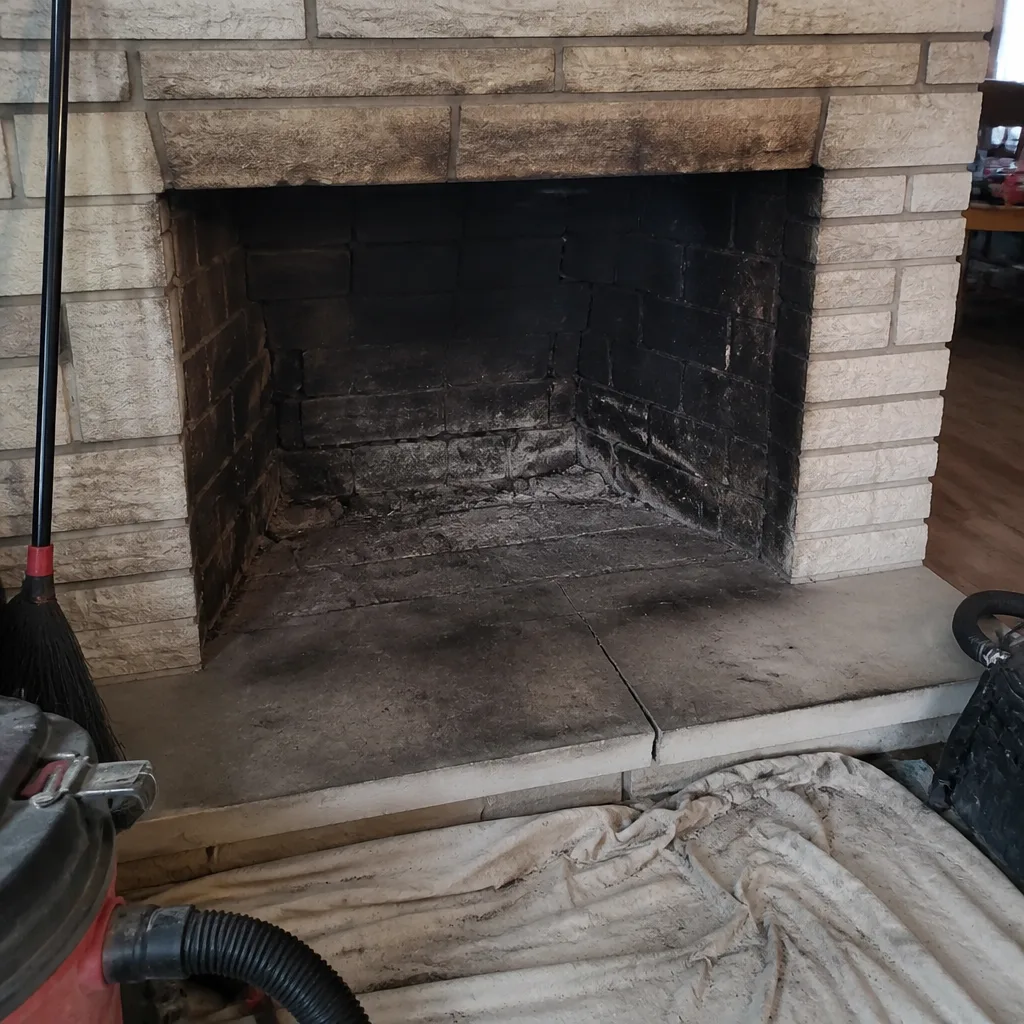 Before
 After
 Before
 After
When to Call a Professional
Call a professional sweep if you haven’t had the chimney cleaned in a year or more, if you’ve had a chimney fire (even a small one), if you’ve changed appliances or fuel, if you’re buying or selling a home, or if you notice any of the warning signs: heavy smoke, a strong creosote smell, staining on the exterior, or a damaged cap or crown. If you’re not sure, the safe move is to have it looked at. Chimney Sweep Layton offers free estimates in Layton – call (888) 861-5852. We answer 24/7. Fast dispatch from 7am to 7pm, Sunday through Friday. The written estimate sets the final price, and nothing gets recommended without evidence you can see.
Frequently Asked Questions
A routine chimney cleaning in Layton is typically priced as an estimate that reflects the flue length, the appliance type, and how much creosote is present. We don’t publish a flat rate because the honest answer depends on the job. Call (888) 861-5852 for an exact quote – estimates are free.
Once a year is the working standard for regular wood burners in Layton, and heavy burners or softwood-heavy households should consider a mid-season check. Because elevation and cold push deposits along faster here, don’t stretch the interval on the assumption that a milder climate schedule applies. Call (888) 861-5852 to book a sweep.
Creosote keeps building, and it stages from flaky first-degree deposits to denser second and third-degree glazing. That increases the risk of a chimney fire and can damage the liner, turning a cleaning into a relining job. The risk rises quietly, which is the problem. Call (888) 861-5852 for an assessment before the next heating season.
Not unless the flue is actually compromised – and you shouldn’t take that on faith. A liner is recommended only when camera evidence shows cracking, separation, or deposits that can’t be safely cleaned. If your liner is sound, we say so. Call (888) 861-5852 for a documented inspection.
A cleaning removes creosote and soot; an inspection evaluates the condition of the system. They’re related but not the same, and in Layton it’s worth knowing which one you’re booking. Inspections are available as a standalone service. Call (888) 861-5852 to schedule the right one.
Thinner air at 4,400 feet means fires burn cooler and slower unless managed, and cooler fires produce more creosote. Combined with Layton’s long cold winters and cold flues, deposits can stage faster than a national-average schedule would predict. Call (888) 861-5852 if you’re unsure how often your flue needs attention.
The Bottom Line
Chimney cleaning in Layton isn’t a single brush-down. It’s a full-system service that starts at the firebox and ends at the crown, and it matters more here because elevation and cold push creosote through its stages faster than milder climates do. Get the sweep on a regular annual schedule, insist on an inspection that actually looks up the flue, match your fuel choices to your cleaning frequency, and know the difference between a routine Level 1 check and the documented Level 2 you need for a sale or a serious concern. Use professional-grade materials when a repair is due. And if your chimney is fine, expect to hear that plainly.
Get Your Chimney Checked Before the Heating Season
If you’ve been putting off a sweep, the shoulder season is the right time to book. Call (888) 861-5852 for a free estimate from Chimney Sweep Layton. We answer 24/7. Fast dispatch from 7am to 7pm, Sunday through Friday. One company handles the sweep, the inspection, the repair, and the cap, and you’ll get a straight answer about what your chimney actually needs. For everything from a routine cleaning to fireplace repair, we’re ready when you are.
Written by the team at Chimney Sweep Layton.