
Last updated November 24, 2026
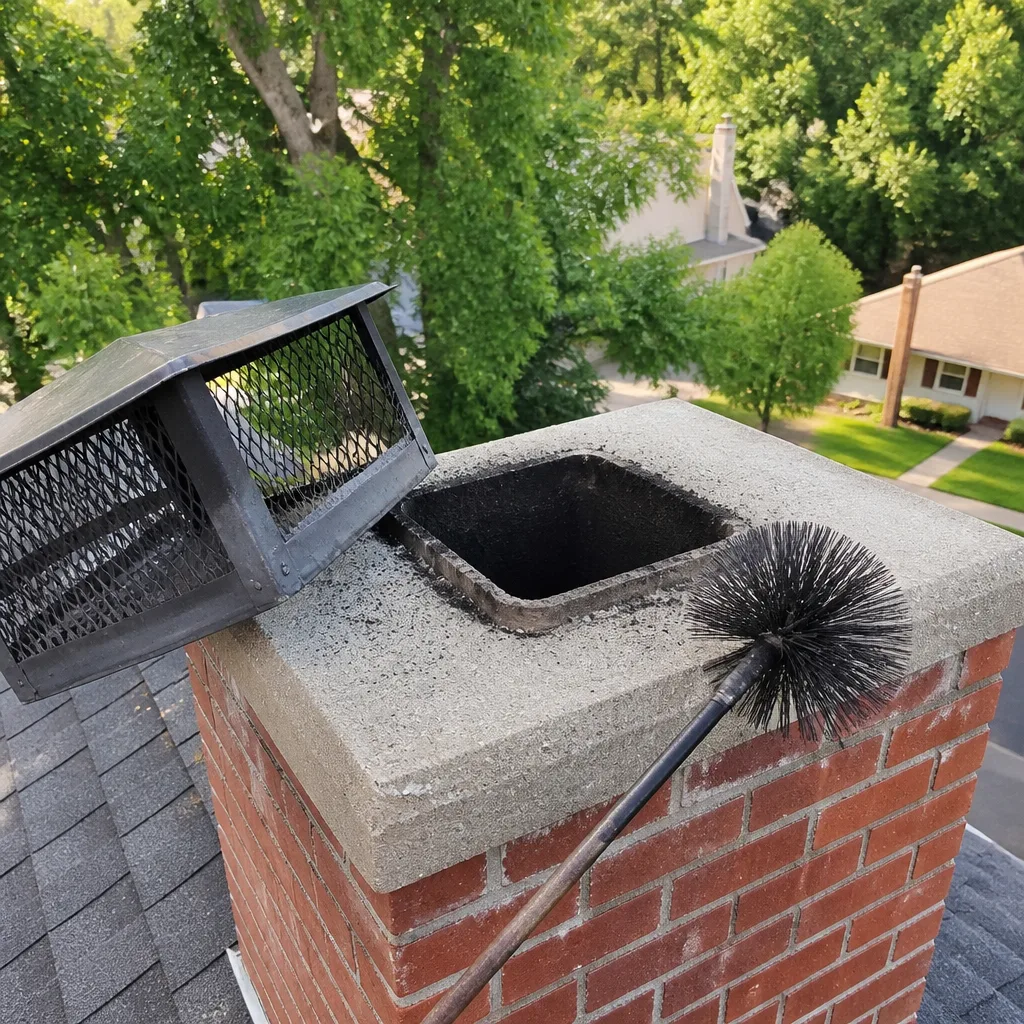 Sweep & inspection
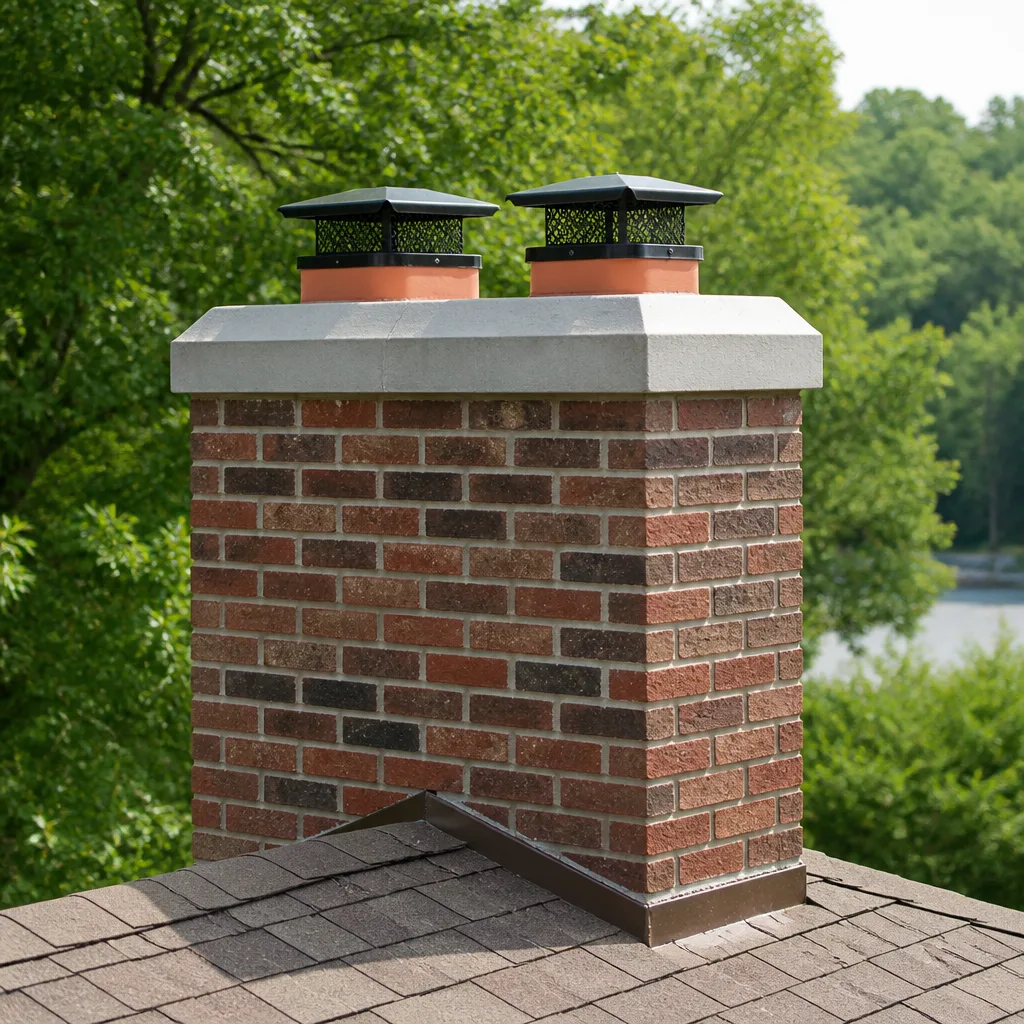 Caps & crowns
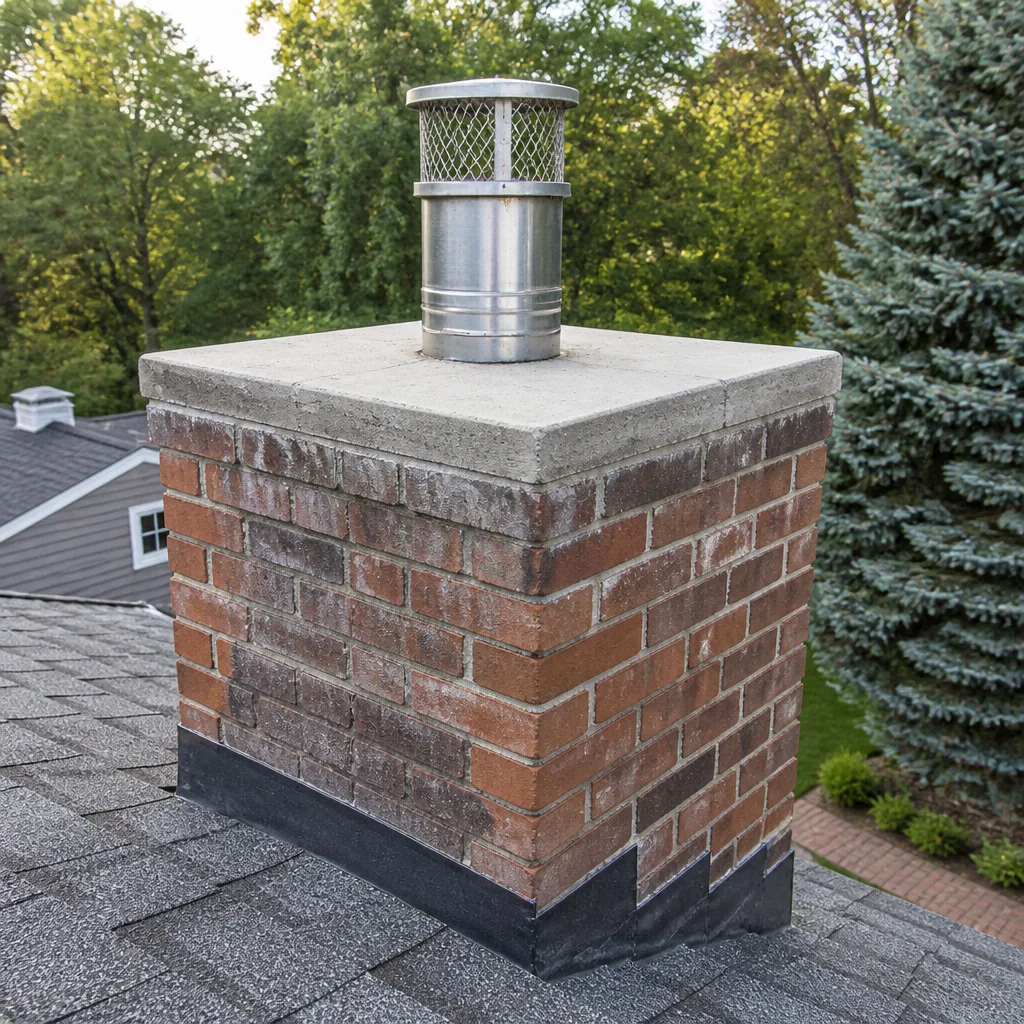 Flue relining
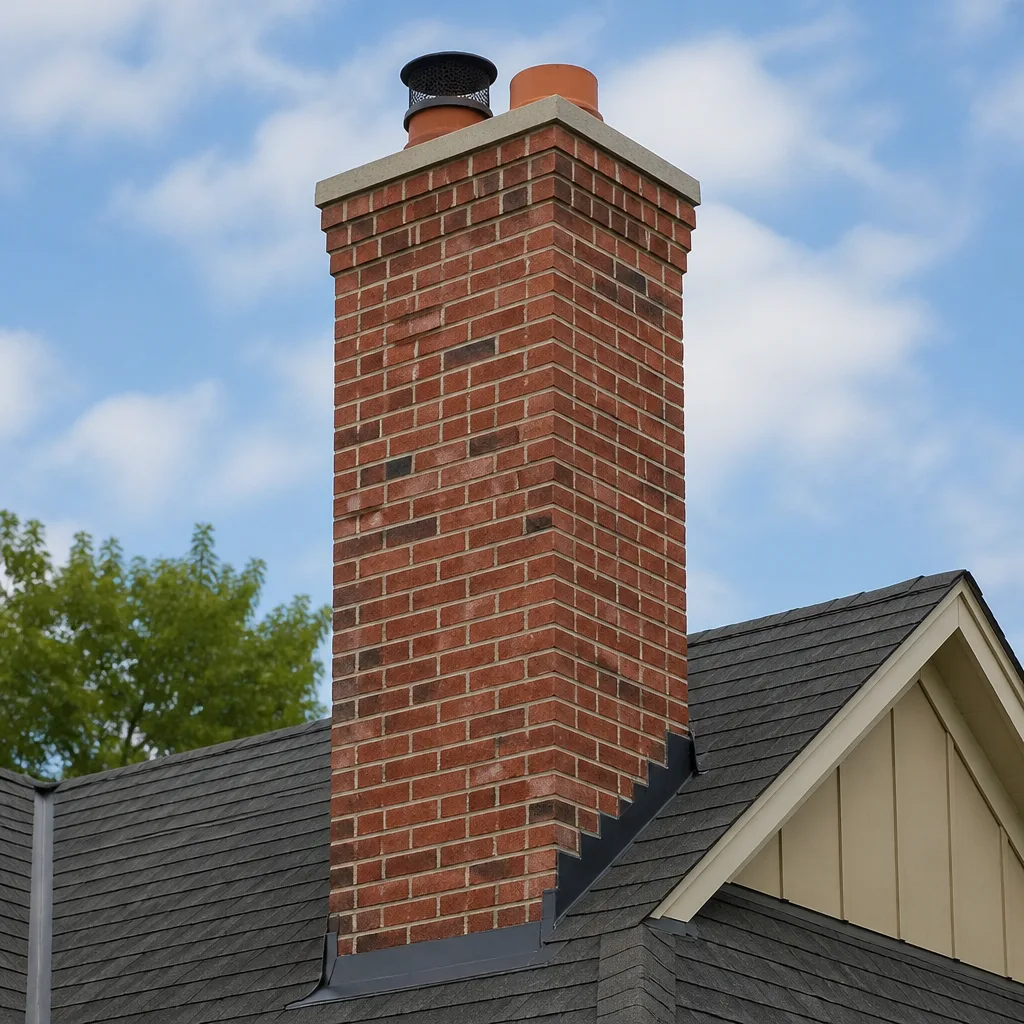 Masonry repair
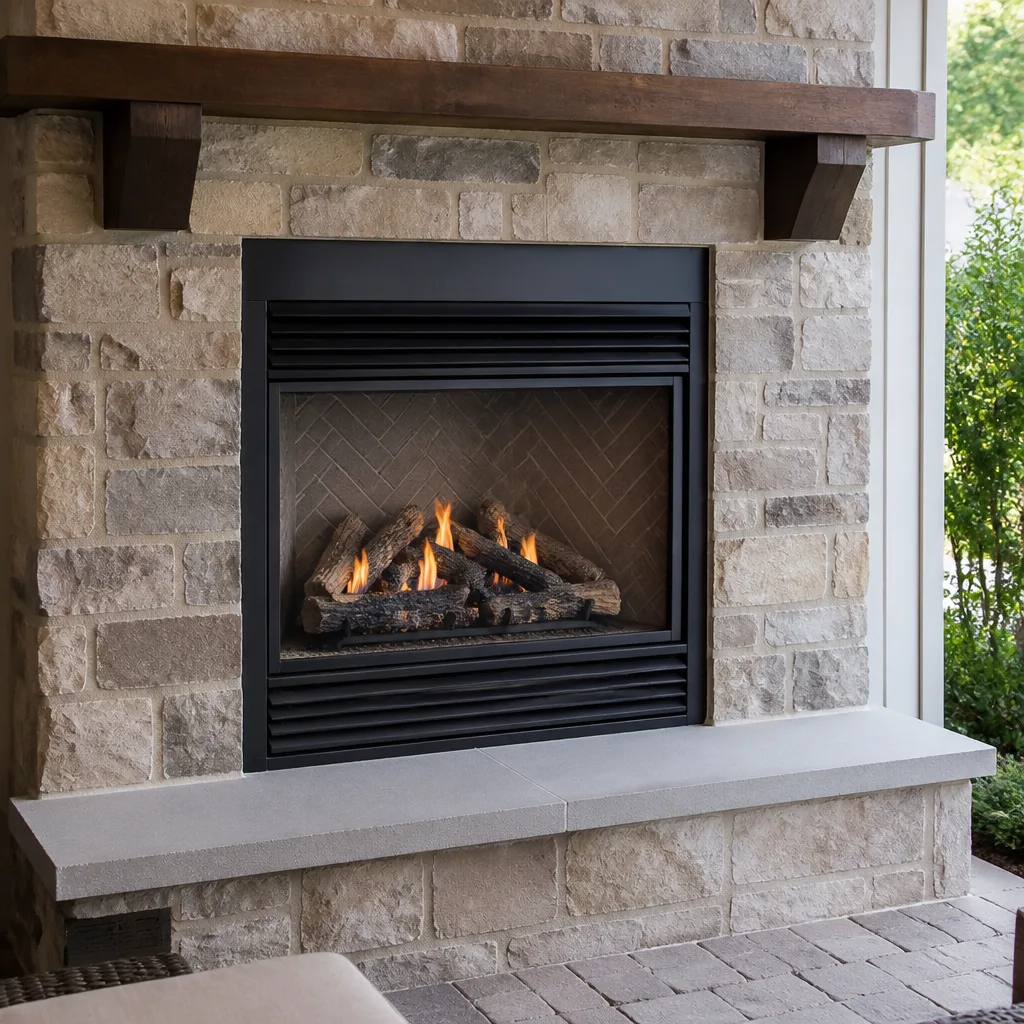 Gas fireplace service
Level 1 sweep and inspection to the NFPA 211 annual standard - flue, crown, cap, and flashing checked and photographed
Chimney sweep logs do not sweep chimneys. They loosen some creosote - which then falls where a brush and vacuum still have to collect it.
How to Hire a Chimney Cleaning Contractor in Layton: A Step-by-Step Guide
In Utah, chimney sweeping requires no state license. That single fact is the most important thing to understand before you hire anyone in Layton. It means the person who knocks on your door could have eight years of flue work behind them or eight weeks with a brush kit from a hardware store, and a polished business card won’t tell you which. The trade has no gatekeeping here, so the vetting is entirely on you. This guide gives you a concrete framework: the certifications that actually mean something, the five questions that separate a specialist from a generalist, the pricing red flags that predict an upsell, and how to confirm insurance really covers flue work. Read it before money changes hands.
Quick Answer
To hire a chimney cleaning contractor in Layton, verify real credentials (CSIA or NFI certification that you confirm independently), ask whether sweeping is their primary trade or a side service, confirm their insurance specifically covers chimney and flue work, and demand a written inspection report after the sweep. Skip anyone running a bargain sweep special, anyone who can’t produce documentation, and anyone who recommends expensive repairs before you’ve seen camera or visual evidence yourself.
Styles & brands we work with
- Sweep & inspection
- Caps & crowns
- Flue relining
- Masonry repair
- Gas fireplace service
Table of Contents
- Why Utah’s Lack of Licensing Changes How You Hire
- What CSIA and NFI Certifications Actually Verify
- The Five Questions to Ask Before You Book
- Pricing Red Flags: The $49 Sweep Problem
- What a Written Inspection Report Should Include
- How to Verify Insurance That Covers Chimney Work
- Layton Conditions That Affect Your Chimney
- The Step-by-Step Hiring Process
Why Utah’s Lack of Licensing Changes How You Hire
Utah does not license chimney sweeps as a trade. There’s no state board issuing a sweep license, no exam, no continuing education requirement, and no public database you can check to confirm someone is legitimate. That’s not a knock on Utah specifically; plenty of states leave this trade unregulated. But it does mean the usual shortcuts homeowners rely on don’t exist here.
In a licensed trade, you can look up a contractor’s license number and see whether it’s active. With chimney sweeping in Layton, you can’t. So the burden shifts to other forms of verification: voluntary certifications, insurance documents, references, and the questions you ask on the phone.
The practical consequence is that Layton’s chimney market includes everyone from dedicated specialists to HVAC companies that added sweeping as an add-on, to general handymen who bought a rotary brush and a shop vac. None of them are breaking a law by offering the service. The difference shows up in the quality of the work and, more importantly, in whether anyone actually inspects the parts of your chimney that matter: the liner, the crown, the cap, the smoke chamber.
Because there’s no license to lean on, a contractor’s willingness to document their work becomes the single most reliable signal you have. Someone who hands you a written report with photos is accountable in a way that a verbal “looks good to me” never is. When we perform chimney inspections in Layton as a standalone service, the report is the deliverable, not a sales pitch. That’s the standard worth holding any contractor to.
What CSIA and NFI Certifications Actually Verify
Two credentials come up constantly when you research chimney contractors: CSIA (Chimney Safety Institute of America) and NFI (National Fireplace Institute). Both are worth understanding, and both can be checked. Neither is a state license.
CSIA certification is a voluntary credential for chimney sweeps. It requires passing an exam and completing continuing education to maintain it. It signals that a sweep has been tested on industry standards for sweeping and inspection.
NFI certification is more focused on hearth appliances: wood stoves, gas fireplaces, and venting systems. An NFI-certified professional has demonstrated knowledge of how appliances connect to and interact with the flue.
Here’s the part most homeowners miss: certifications expire. Continuing education credits lapse. Someone can accurately say “I’m CSIA certified” and be months past their renewal. So verification matters as much as the claim.
- Ask for the certifying body and the certification number. A real credential has a number.
- Look up the number directly on the CSIA or NFI website. Both organizations maintain searchable credential directories.
- Confirm the status shows as current, not expired or lapsed.
- Ask how long the certification has been held. A sweep certified for years has maintained the continuing education; a brand-new one is still building experience.
A certification is not a guarantee of quality work, but a fabricated or expired one is a real red flag. If someone claims a credential and can’t point you to a number you can verify, treat the claim as unconfirmed. The same discipline applies to how you judge the work itself. If a contractor recommends a repair, ask what evidence supports it and whether you can see that evidence. A credentialed sweep will show you; a pretender will get defensive.
The Five Questions to Ask Before You Book
These questions are designed to surface whether the contractor is a chimney specialist or a generalist with a brush kit. Ask them on the phone before you book. The answers tell you more than any advertisement will.
- “Is chimney work your primary trade, or one of several services?” A specialist does this every day. A generalist does it between drywall jobs. There’s nothing wrong with a company that offers related services, but you want to know where chimney care ranks. If sweeping is one line item among twenty, expectation management matters.
- “Will you inspect the liner, smoke chamber, and crown, or just sweep the flue?” A proper sweep includes inspection of the full system. A brush-and-go visit that skips the liner is incomplete. In Layton’s dry climate, cracked crowns and deteriorated liner joints are common and easily missed if nobody looks.
- “Do you provide a written inspection report with photos?” The answer should be an immediate yes. A contractor who scoffs at documentation is telling you something.
- “What’s your process when you find a problem?” A good answer separates the inspection from the recommendation. It also tells you when a repair can wait. A contractor who always finds a reason to upsell is telling you something too.
- “Can you give me three recent references in Davis County?” Local references let you ask whether the work held up through a winter’s worth of firings. A contractor confident in their work will share them.
A sixth question worth slipping in: “What brands do you install for liners and repairs?” The answer gives you another signal. Professional-grade manufacturers show up in the answer when the contractor is a real specialist. If the response is vague or mentions a big-box substitute, you’ve learned something. A specialist in Layton should be able to name the professional product lines they use.
Pricing Red Flags: The $49 Sweep Problem
We’ve seen this movie before. A coupon arrives in the mail or a flyer shows up on the door: a sweep for $49, or a “special” that beats every other quote in Layton by a wide margin. The price is the bait. The sweep is often rushed, and the pitch at the end of the visit is where the real money gets made.
The pattern is predictable. A bargain sweep produces a sudden discovery: a cracked flue tile, a deteriorated liner, a “dangerous” crown, a firebox that needs rebuilding. The homeowner is presented with a repair estimate that runs into the thousands, usually delivered in a tone that suggests the house could burn down if they don’t act immediately.
Here’s what matters. Any of those problems can be real. Chimney liners do deteriorate. Crowns do crack. But the honest process is the same regardless: inspect the system, document what you find, show the homeowner the evidence, and explain what can wait versus what can’t. A highly discounted sweep that leads straight to an expensive repair pitch has skipped the evidence step.
Some red flags to watch:
- A sweep price far below market that’s used as a door-opener for repairs.
- Repair recommendations delivered without photos, camera footage, or a visible explanation.
- Urgency language pressing you to sign today or sign before the crew leaves.
- Reluctance to give you the inspection report until after you’ve committed to repair work.
- A contractor who finds a serious problem on every single visit. Chimneys age, but not every one needs rebuilding.
- No itemized written estimate. A legitimate repair is priced per job by a written estimate you can review without pressure.
The counterweight to all of this is a contractor who tells you plainly when your chimney is fine. We tell you what we find. If your chimney is in good shape, we say so, and a cleaning is the whole job. That’s how a specialist operating on evidence behaves, and it’s worth paying a fair market price to get that honesty.
Typical Layton chimney service cost ranges
Prices in this market vary by system and condition. Use these as a rough guide for budgeting, and treat any written estimate as the number that counts.
- Standard chimney sweep: $150-$350 depending on flue access and buildup.
- Dedicated chimney inspection: $100-$300, higher for video camera inspection of the full flue.
- Liner repair using ceramic resurfacing: $800-$2,500 depending on flue length and condition.
- Full stainless liner installation: $1,500-$4,500 depending on flue size and appliance.
- Chimney cap installation: $150-$400.
- Crown repair or rebuild: $300-$1,200 depending on the extent of the cracking.
These ranges are estimates, not quotes. The written estimate on your specific system sets the final price, and a contractor who won’t put that in writing before starting work is one to walk away from.
What a Written Inspection Report Should Include
A written inspection report turns a contractor’s opinion into documentation you can act on, dispute, or hand to an insurance company. Without one, you’re relying on a verbal assessment you can’t verify. That’s a liability.
Here’s what a proper report should cover:
- Scope of inspection: what was examined, from the firebox through the smoke chamber, flue, cap, and crown.
- Photos of each component, including flue tiles, liner joints, crown, and cap.
- Condition findings with a clear description of any defect and its severity.
- Recommendations separated into “address now” and “monitor” categories, so you know what can wait.
- Anonymous property identifier so the report is traceable to your address without any listing information that could identify you personally, which matters if the report is going to a lender or insurer.
Why does this matter beyond the paperwork? Because a report is the difference between “the sweep said the liner looked okay” and “the sweep’s report shows three cracked tiles in the second flue joint and recommends monitoring them before next season.” One is a conversation. The other is a record.
In a real estate transaction or an insurance claim, the report is often the working document. If you’re selling a home in Layton with a fireplace, or you’re filing a claim after a chimney fire, a documented inspection from a contractor who performs inspections as a dedicated service is what a lender or adjuster will ask for. A verbal all-clear won’t be accepted. Insist on the report and keep it.
How to Verify Insurance That Covers Chimney Work
General liability insurance is not the same as insurance that covers flue work. That distinction matters because a contractor who carries a generic policy may have exclusions for the specific kind of damage a chimney job can cause: a dropped brush breaking a tile, a liner installation that goes wrong, water intrusion traced back to a botched crown repair.
Here’s how to verify coverage properly:
- Ask for a certificate of insurance from the contractor’s insurer, not a copy of a policy they typed up themselves.
- Confirm the policy is active by calling the insurer’s number on the certificate.
- Ask directly: “Does this policy cover chimney and flue work specifically?” Get it in writing if you can.
- If the contractor has employees, ask about workers’ compensation coverage as well.
- Confirm the limits are reasonable for the value of your home and the scope of the work.
A contractor operating without adequate coverage shifts the risk onto you. If a dropped liner damages your home or a technician is injured on the property, the consequences can land on the homeowner.
Utah doesn’t issue a chimney sweep license to check, so the insurance certificate becomes one of the few formal documents you can rely on. Ask for it before booking. A professional will have it ready. A pretender will deflect. We can work with your insurer when documentation is needed, and we always recommend confirming coverage before any contractor steps onto your roof.
Layton Conditions That Affect Your Chimney
Layton sits in a high desert valley with a genuine winter burn season and a summer that swings hard between hot afternoons and cool nights. That climate shapes what happens inside chimneys here, and it’s why the hiring decisions matter.
The valley’s cold winters mean the chimney and the house warm at very different rates. The masonry absorbs moisture from snowmelt and from the modest precipitation the valley does get, then expands and contracts through the freeze-thaw cycle. That movement cracks crowns. It opens joints in flue tiles. It’s the most common reason an inspection in Layton turns up small defects that a bargain sweep would never catch. The dry air also pulls moisture out fast, which can create small cracks that look harmless in summer and cause problems by December.
Then there’s the burn season itself. The valley experiences winter inversion periods when pollutants get trapped close to the ground, and burning wet or unseasoned wood during those stretches is a known contributor to poor air quality. The practical advice for homeowners is straightforward: burn dry, seasoned wood, and get the flue swept before the season starts, not after. A clean flue draws better and deposits less creosote, which is the substance that fuels chimney fires.
What all of this means for hiring: a chimney contractor working regularly in Layton should be familiar with how valley winters stress masonry, and should factor the local climate into their inspection recommendations. Someone who’s only ever worked in a mild, humid climate may not be looking for the same failure patterns.
Safety note
Sweeping a chimney involves working on the roof and inside the flue, and inspecting or repairing a liner involves confined space work and the risk of falls. Creosote is combustible, and carbon monoxide from a blocked flue is a serious hazard. None of this is a job to improvise at home. Use a trained professional, and if you suspect a flue blockage or a chimney fire has occurred, don’t light a fire until the system has been inspected.
The Step-by-Step Hiring Process
Here’s the sequence to work through, from initial research to the post-sweep report. It’s the same process whether you hire us or anyone else in Layton.
- Confirm the credentials. Ask for CSIA or NFI numbers and verify them independently. Treat expired or unverifiable credentials as a no.
- Ask the five questions. Primary trade, inspection scope, written report, process for repairs, local references. The answers tell you whether you’re dealing with a specialist.
- Request the insurance certificate. Confirm it’s active and ask specifically about coverage for chimney and flue work.
- Get the estimate and scope in writing. The sweep price, what the inspection includes, and what’s not covered. Prices are set per job by the written estimate, so there should be a written estimate.
- Book the sweep and inspection together. A sweep without an inspection is half a job. Ask for both.
- Walk through the findings. Ask to see the photos and the report. Ask what can safely wait and what can’t.
- Decide on repairs based on evidence. If the report shows only surface buildup and a sound liner, a cleaning may be the whole job. If it shows cracked tiles or a deteriorated crown, ask for a written repair estimate and take time to review it.
- Keep the report. Store it with your home records. You’ll want it for future comparisons and for any insurance or real estate need.
Two of these steps are the ones homeowners skip most often: verifying credentials (step 1) and requesting the written report (step 6). Both are the steps that separate a good hire from an expensive lesson. The rest of the process flows naturally once those are done right.
Where the specialist angle shows up in the work
A full-service chimney specialist handles the sweep, the inspection, the repair, and the cap without handing you off to a second contractor. That continuity matters because the person who documents the condition of your liner is the person who recommends the fix. There’s no gap between the diagnosis and the recommendation, which is where the upsell pressure usually sneaks in.
You can also judge a specialist by the materials they use. Professional-grade chimney product lines show up in the answer when a contractor knows their trade: flexible stainless liners for relining a deteriorated flue, ceramic resurfacing systems for restoring a liner that doesn’t need full replacement, cast caps and crown materials built to weather a Layton winter. A generalist with a brush kit typically installs whatever a hardware store stocks, which is not the same grade of material. When you get a repair estimate, ask which products will be used. The answer is a fair signal of what you’re getting.
Common Mistakes to Avoid
- Hiring on price alone. A sweep that undercuts everyone in Layton isn’t necessarily a bargain. The low price is often a door-opener for a repair pitch, and the sweep itself may be rushed.
- Not checking the certification status. Claiming CSIA or NFI is easy. Verifying the number on the organization’s site takes two minutes and catches expired or fabricated credentials.
- Accepting a verbal all-clear. A clean bill of health is worth nothing if it isn’t written down with photos. You can’t act on it later, and you can’t hand it to an insurer.
- Letting a contractor skip the liner and crown inspection. In Layton’s freeze-thaw climate, those are the components most likely to have issues. A brush-and-go visit that only cleans the flue misses them.
- Signing a repair estimate under pressure. A professional will give you a written estimate you can review. Urgency to sign before the crew leaves is a red flag, not a courtesy.
- Assuming general liability covers chimney work. Ask directly whether the policy covers flue and chimney work specifically, and get the certificate from the insurer.
- Skipping the sweep because “nothing’s wrong.” Chimney fires and carbon monoxide problems start with conditions you can’t see from the hearth. The sweep and inspection exist precisely to find what isn’t obvious.
See the difference
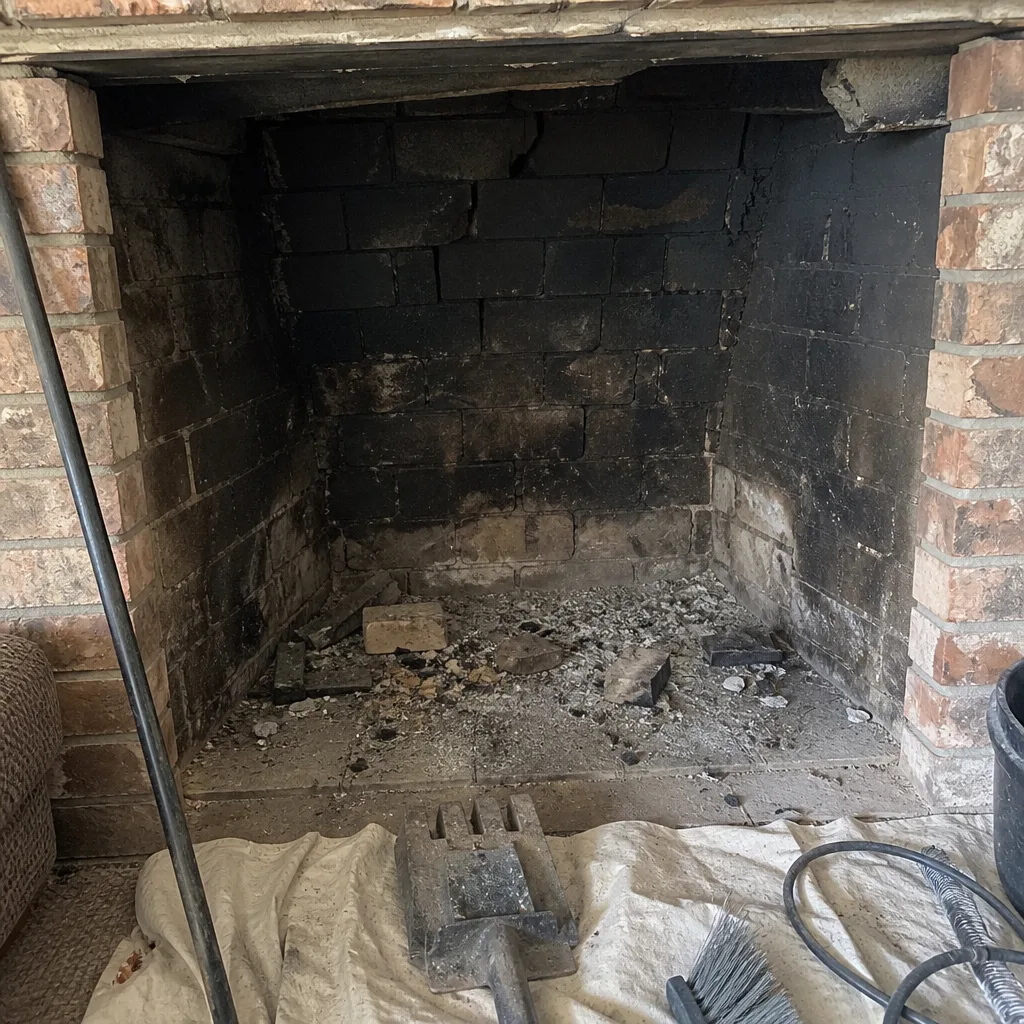
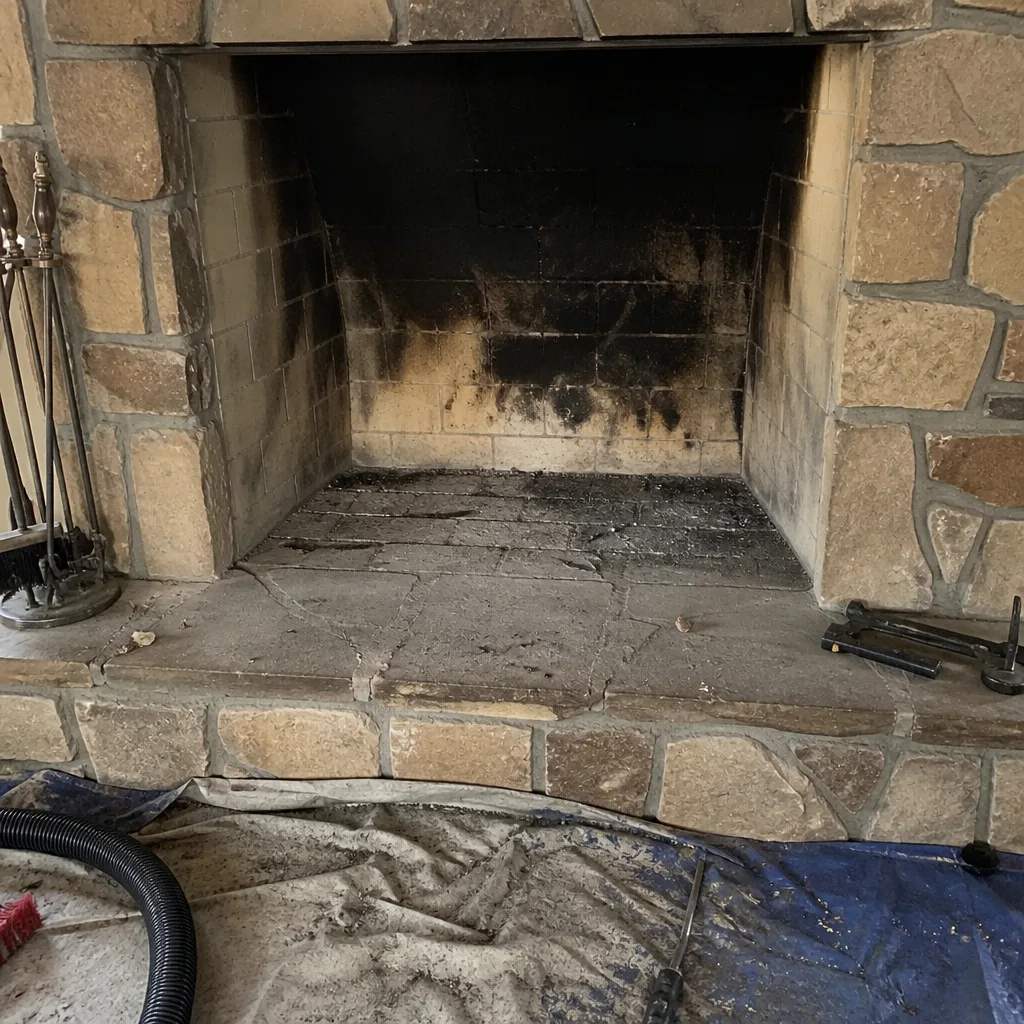 Before
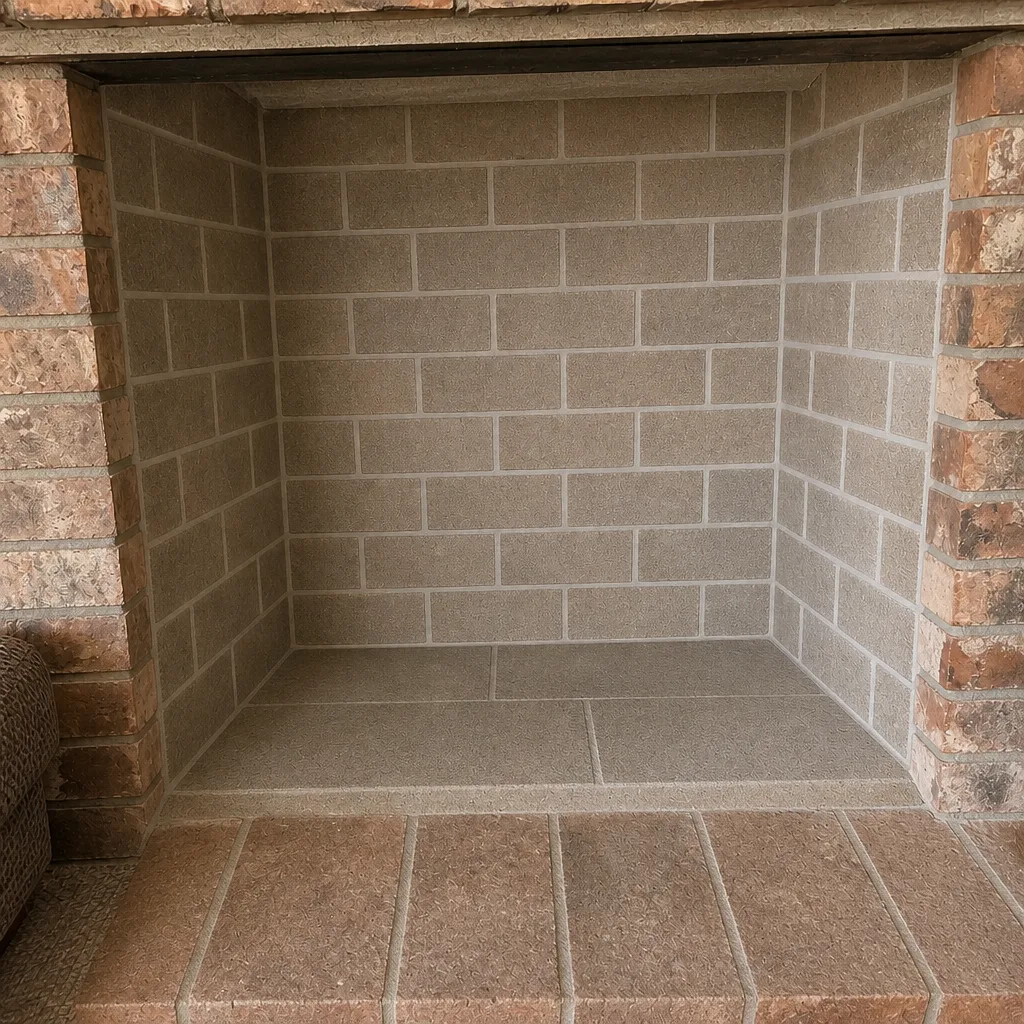
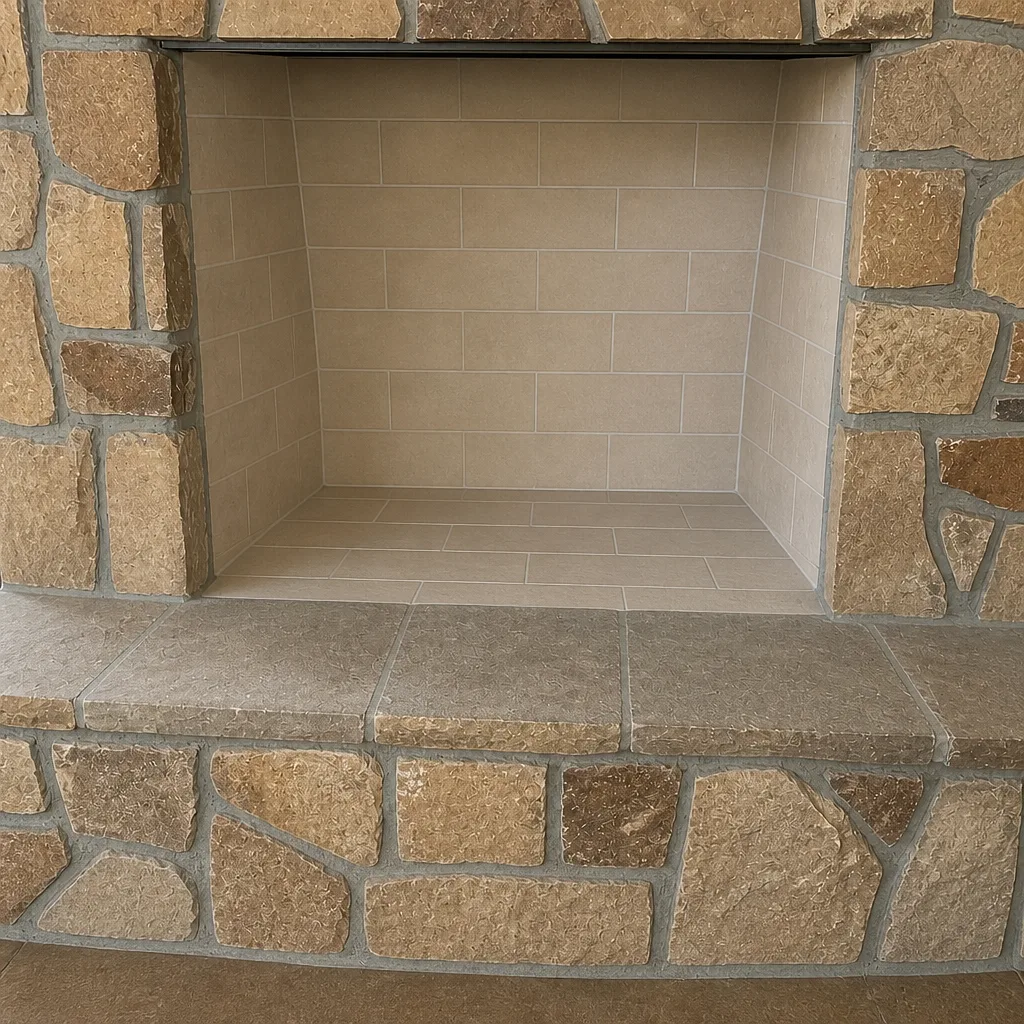 After
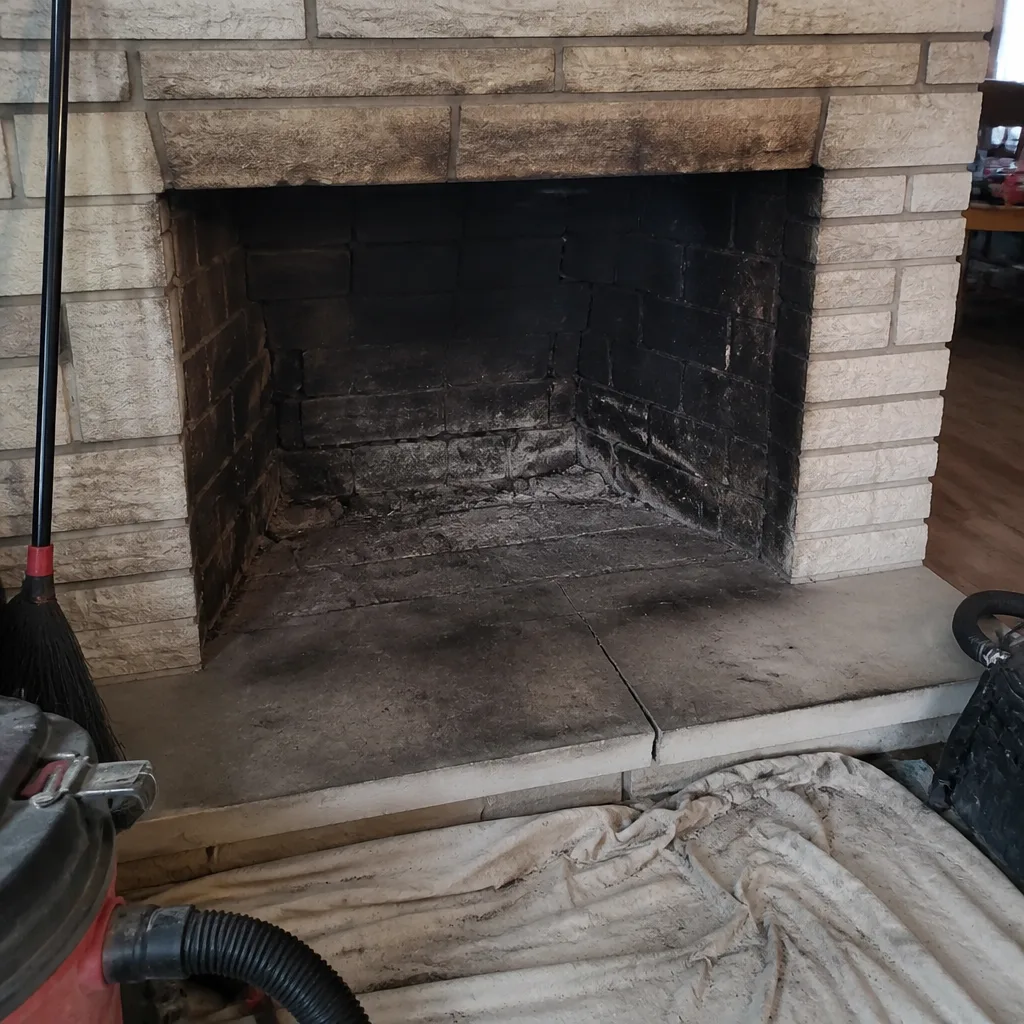 Before
 After
 Before
 After
When to Call a Professional
Call a chimney professional when you’ve burned through a season without a sweep and don’t know the condition of the flue. Call when you’re buying or selling a home in Layton and need a documented inspection for a lender or insurer. Call when you can smell smoke in the house after a fire, when the fire draws poorly, when you’ve seen creosote buildup, or when the crown or cap shows visible damage from the roof line. Call when you’ve had a chimney fire, even a small one, before lighting another fire. Call if you’re switching fuels or installing a new appliance, since the liner needs to match. The common thread: anything you can’t confirm by looking is a reason to get an inspection. Chimney Sweep Layton offers free estimates in Layton. Call (888) 861-5852. We answer 24/7. Fast dispatch from 7am to 7pm, Sunday through Friday.
Frequently Asked Questions
Utah does not license chimney sweeps, so there’s no state license to check. What you can verify instead are voluntary credentials like CSIA or NFI certification, insurance that specifically covers chimney and flue work, and references from recent local customers. Call (888) 861-5852 for an exact quote, and estimates are free.
A standard chimney sweep in Layton typically runs $150-$350 depending on flue access and creosote buildup, and a dedicated inspection runs $100-$300 and up for full video camera work. The written estimate sets the final price. Be wary of any sweep advertised well below that range; the low price is usually recovered through an upsold repair. Call (888) 861-5852 for an exact quote, and estimates are free.
A chimney should be swept annually, and more often if you burn frequently or burn wood that’s not well seasoned. In Layton, the sensible time is before burn season starts, so any cracked crown or liner defect is found before winter freeze-thaw puts more stress on the masonry. Call (888) 861-5852 for an exact quote, and estimates are free.
Ask whether chimney work is their primary trade, whether they inspect the liner, smoke chamber, and crown on every visit, and what brands they use for repairs. A specialist answers without hesitation and can name the professional product lines they install. A generalist with a brush kit typically gives vague answers and installs big-box materials. Call (888) 861-5852 for an exact quote, and estimates are free.
Not always. A liner repair using ceramic resurfacing can restore a deteriorated flue in some cases where a full stainless replacement isn’t required, and the right answer depends on what the inspection finds. Nothing should be recommended without camera or photographic evidence you can see yourself. Ask to see it. Call (888) 861-5852 for an exact quote, and estimates are free.
Creosote accumulates in the flue, and it’s highly combustible, so skipping the sweep raises the risk of a chimney fire. A blocked or damaged flue can also back carbon monoxide into the house. Sweeping and inspecting are how you find those conditions before they become a problem. Call (888) 861-5852 for an exact quote, and estimates are free.
Some repairs can be handled on the same visit as the sweep or inspection, and others need a scheduled return depending on the materials and scope. The written estimate will tell you what’s realistic for your chimney. Call (888) 861-5852. We answer 24/7. Fast dispatch from 7am to 7pm, Sunday through Friday.
The Bottom Line
Hiring a chimney contractor in Layton comes down to verification. There’s no state license to check, so you check the things you can: CSIA or NFI certification status, insurance that specifically covers flue work, references from recent customers, and the written inspection report with photos. Ask the five questions before swinging the door open. Be skeptical of bargain sweeps and repair pitches delivered without evidence. Insist on seeing what the contractor sees. If you do those things, the choice becomes clear, and the chimney you depend on through a Layton winter gets the care it needs from a contractor who does chimney work as their actual trade.
Ready to get an honest read on your chimney? Call (888) 861-5852 for a free estimate. We answer 24/7. Fast dispatch from 7am to 7pm, Sunday through Friday. We tell you what we find, and if your chimney is fine, we say so. From your local Chimney Sweep Layton team, you can book a chimney sweep, schedule a standalone inspection, or arrange fireplace repair and chimney repair with one company handling the whole system from firebox to crown.
Written by the team at Chimney Sweep Layton.