
Last updated November 24, 2026
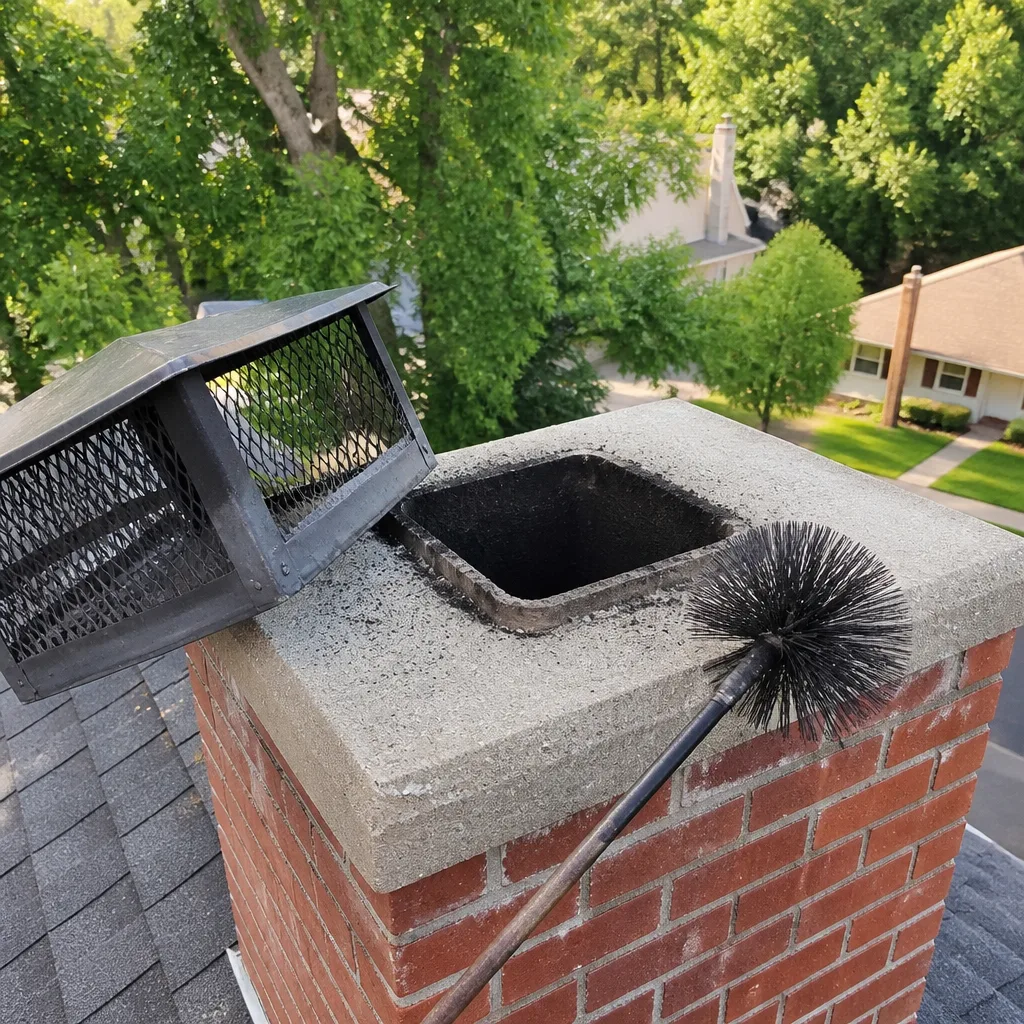 Sweep & inspection
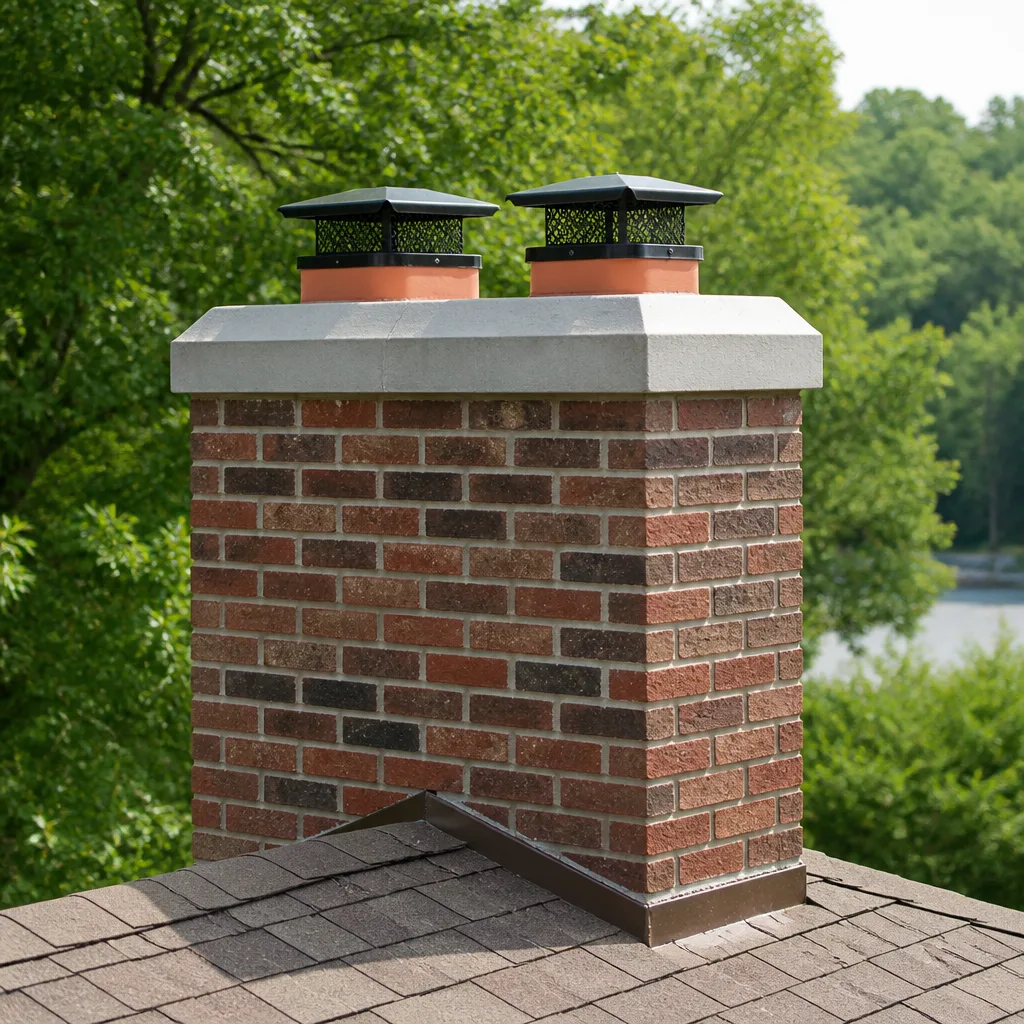 Caps & crowns
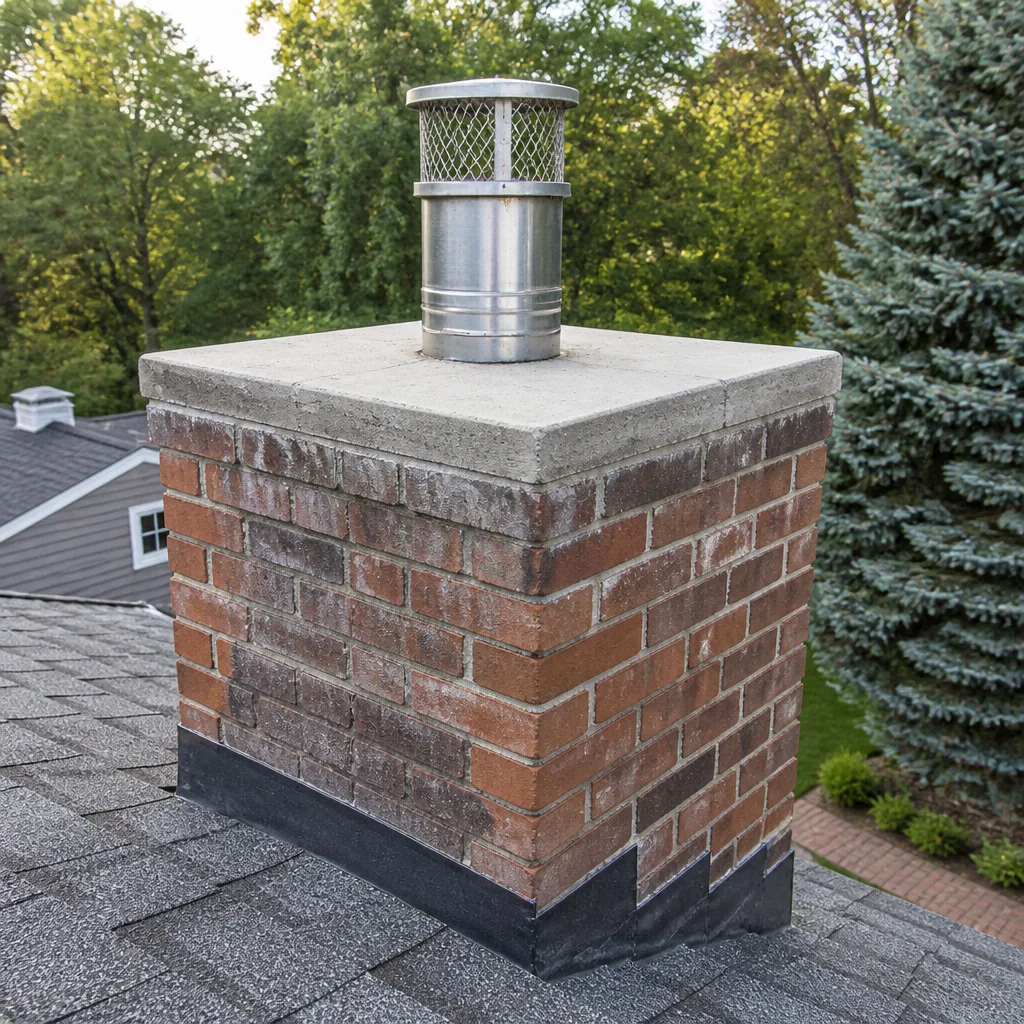 Flue relining
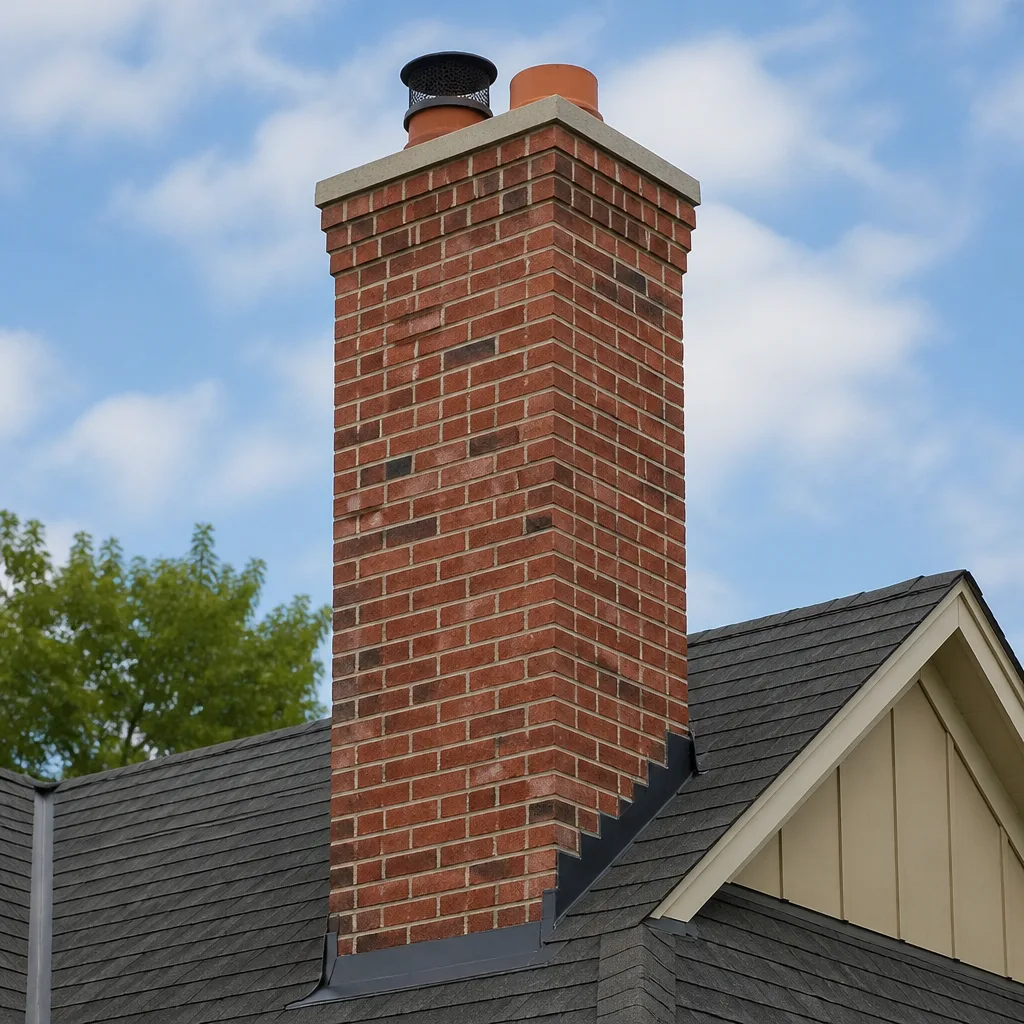 Masonry repair
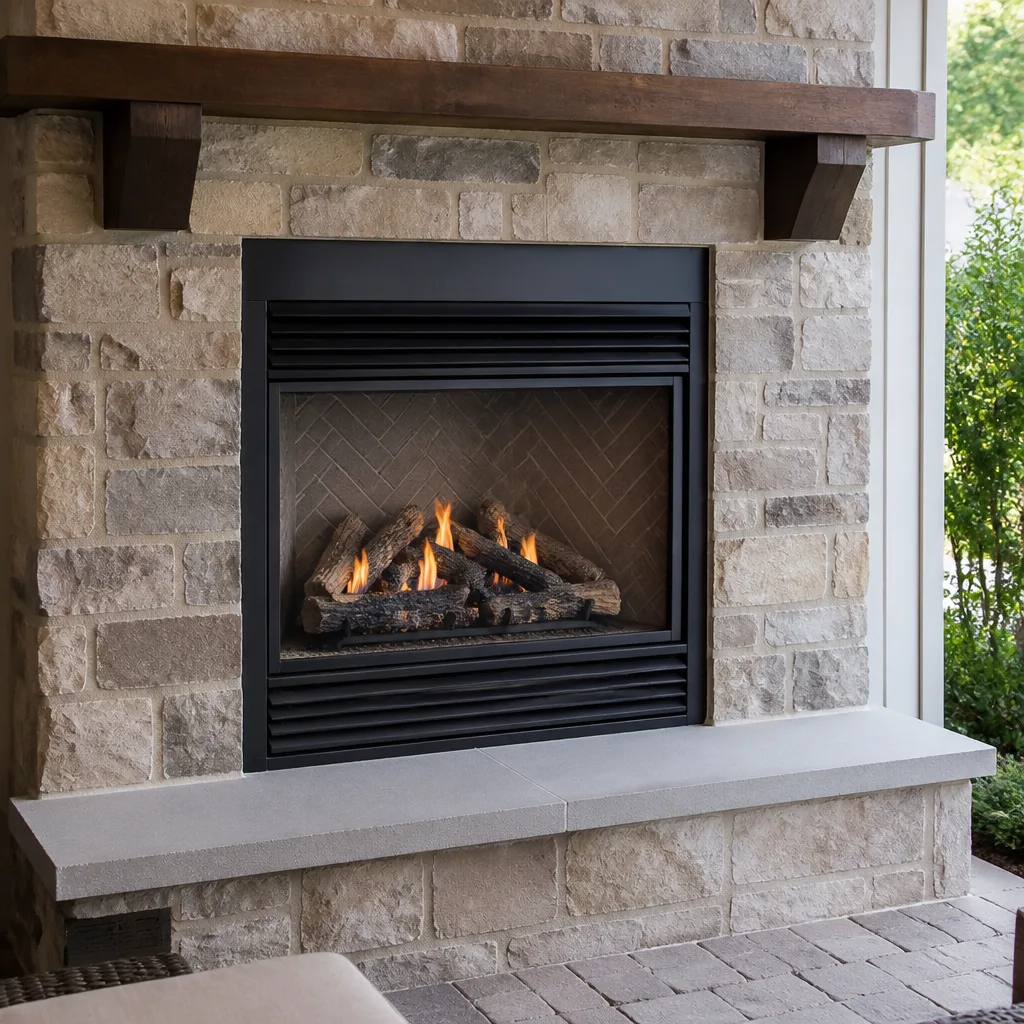 Gas fireplace service
Level 1 sweep and inspection to the NFPA 211 annual standard - flue, crown, cap, and flashing checked and photographed
Chimney sweep logs do not sweep chimneys. They loosen some creosote - which then falls where a brush and vacuum still have to collect it.
Chimney Cleaning Permits, Codes & Inspections in Layton, UT: What You Need to Know
Most homeowners assume a chimney sweep is exempt from any real code scrutiny, and for routine sweeping they’re right. That’s the misconception worth clearing up first. The permit line doesn’t sit where people expect it. It sits at the repair. A liner replacement, a crown rebuild, a firebox reconstruction – those are the points where Layton and Davis County code kicks in, where inspection records start to matter, and where a missing permit can surface years later during a title search or an insurance claim. This guide draws that line precisely: what’s exempt, what’s permitted, what a Level 2 inspection is, when the law requires one, and how to verify a home’s chimney history before you buy it. If you’ve ever wondered whether skipping the paper trail actually costs anything, this is the page for you.
Quick Answer
Routine chimney cleaning in Layton does not require a permit – it’s classified as maintenance. Structural work does: liner replacements, crown and cap installation where the flue is modified, firebox rebuilds, and masonry repairs that alter the chimney’s footprint or clearances typically require a permit from Layton City through Davis County’s adopted building code, which follows the International Residential Code and NFPA 211. A Level 2 inspection is legally required at a home sale, after a chimney fire, and after any modification to the flue or venting system, and it should be performed by someone qualified to do it. A licensed and insured local professional can pull the permit where one is needed and document the work so your records hold up.
Styles & brands we work with
- Sweep & inspection
- Caps & crowns
- Flue relining
- Masonry repair
- Gas fireplace service
Table of Contents
- Where the Permit Line Actually Sits in Layton
- How NFPA 211 and IRC Chapter 10 Apply to Your Chimney
- What a Level 2 Inspection Is and When It’s Required
- The Insurance Consequences of Undocumented Chimney Work
- Buying a Home With a Fireplace: How to Verify Prior Work
- Why Layton’s Climate and Housing Stock Change the Rules in Practice
- How to Choose a Chimney Professional for Permit-Level Work
- How to Keep Your Own Chimney Records Straight
Where the Permit Line Actually Sits in Layton
The cleanest way to think about permits is by outcome, not by trade. If the work removes creosote and leaves the chimney structurally identical, no permit. If the work changes the chimney’s structure, its clearances, or its venting pathway, a permit is usually required. That’s the dividing line, and it applies to homes all over Layton, from the older brick ranches near the downtown grid to newer construction out toward the east bench.
Work that is typically exempt from permits
- Annual sweeping and creosote removal
- Visual inspection of the firebox and flue
- Removing a bird nest or debris from the flue
- Replacing a spark screen or a damaged cap on a prefabricated chimney where no structural change is made
- Minor mortar touch-up that doesn’t alter the chimney’s structure
Work that typically requires a permit
- Installing a new stainless steel flue liner or relining a deteriorated flue
- Rebuilding a chimney crown or replacing the top section of a masonry chimney
- Firebox reconstruction or refractory panel replacement
- Converting a fireplace to a gas appliance with new venting
- Removing a chimney or altering its height or footprint
- Masonry repair that affects the chimney’s required clearances to combustibles
We tell homeowners the same thing every time: if the work is dirt and creosote, it’s maintenance. If the work is brick, mortar, stainless steel, or concrete, call the city first. Permits protect you more than they protect the contractor. They create a public record that the work was done to code, and that record is what a title company and an insurance adjuster look for.
If you’re not sure which side of the line your job falls on, we’ll tell you honestly during a chimney sweep in Layton visit. We’d rather flag a permit you need than skip one you don’t.
How NFPA 211 and IRC Chapter 10 Apply to Your Chimney
Two documents govern most of what happens inside a chimney in Utah, and homeowners hear about both without ever having them explained. NFPA 211 is the national standard for chimneys, fireplaces, vents, and solid-fuel-burning appliances. The International Residential Code, usually referred to as the IRC, is the model building code most Utah jurisdictions adopt, and Chapter 10 covers chimneys and fireplaces directly. Layton, like the rest of Davis County, works from the IRC as adopted locally, and the local amendments to that code are what a contractor actually pulls permits against.
The relationship matters because NFPA 211 is the standard a Level 2 inspection is judged against, while the IRC is the standard a permit is issued under. They don’t contradict each other. They cover different moments. NFPA 211 tells an inspector what a safe chimney looks like. The IRC tells a building official what a legally constructed chimney looks like. A chimney can be legal but unsafe, which is exactly why inspections and permits are separate processes and both are worth doing.
What NFPA 211 covers in plain language
- Required clearances between the chimney and combustible materials
- Liner requirements, including recognizing a deteriorated flue
- The three levels of inspection and when each applies
- Requirements for caps, spark arrestors, and crown condition
- Sizing rules for flues serving solid-fuel appliances
What the IRC Chapter 10 covers
- Permit and inspection requirements for chimney construction and alteration
- Structural requirements for masonry and factory-built chimneys
- Clearances from combustibles, measured in inches and checked during rough-in inspection
- Venting requirements for gas and oil appliances
In our experience, the confusion in Layton comes from newer homes where the original installation was fully permitted and inspected, then a later liner replacement or crown repair happened without a permit. The house looks fine from the street, and the paper trail has a gap in the middle. That gap is what you’re looking for when you buy a home or file a claim.
When a repair is needed, we install professional-grade materials – DuraFlex flexible stainless liners and HeatShield ceramic resurfacing among them – the same materials certified chimney professionals specify, not hardware-store substitutes. You can read more about that scope on our chimney repair page.
What a Level 2 Inspection Is and When It’s Required
A Level 2 inspection is the middle tier of the three NFPA 211 inspection levels, and it’s the one that matters for real estate transactions, insurance claims, and post-fire assessments. Level 1 is a visual check of accessible portions during routine service. Level 2 goes further: it examines accessible areas of the chimney, including the attic, crawlspace, and any portion reachable without damaging the structure, often with a camera to see the interior of the flue. Level 3 goes further still and involves opening walls or other construction to access concealed areas. Level 3 is rare and usually tied to a known problem.
The situations where a Level 2 inspection is required
- Sale or transfer of the property (most real estate contracts and insurers expect it)
- After a chimney fire, even a small one the homeowner put out
- After any alteration to the flue, venting system, or the appliance connected to it
- After a damaging event – an earthquake, a lightning strike, or a severe weather event that may have affected the chimney
- When an appliance is replaced with one of different input or fuel type
- When a Level 1 inspection reveals a problem that warrants deeper investigation
A Level 2 inspection is a documented assessment, and documentation is the whole point. You want a written report with observations, findings, and photographs of anything that could not be seen during a visual walkthrough. That report is what a real estate agent, a buyer’s attorney, or an insurance adjuster will ask for.
We offer inspections as a standalone service at Chimney Sweep Layton, not as a sales hook attached to a cleaning. If your chimney is fine, we say so. If we find a problem, you get photographs of it before we recommend a repair. If you’re curious how often the routine visit fits into this, our chimney sweep page walks through what a standard service covers. And if you’re scheduling an inspection as part of a repair decision, your fireplace repair options are worth reviewing alongside the report so you can compare findings to likely next steps.
The Insurance Consequences of Undocumented Chimney Work
Here’s the part most homeowners never hear until they need it. Your homeowner’s insurance policy expects the chimney to be maintained to code, and an adjuster investigating a fire claim will look for evidence that prior work was permitted and inspected. A liner replacement or firebox rebuild done without a permit doesn’t automatically void coverage, but it creates a question the insurer can use to dispute the claim. You don’t want to be arguing about a missing permit while you’re also dealing with a damaged home.
What insurers typically ask after a chimney-related claim
- When was the last sweeping, and who did it?
- Was any structural work done on the chimney, and was it permitted?
- Is there an inspection report from a qualified professional on file?
- Was the appliance installed to code at the time of installation?
If you can answer all four with documentation, the claim conversation gets shorter. If you can’t, the burden shifts onto you to prove the work was done correctly, and that’s expensive. The good news is the fix is cheap: keep records. A sweep receipt, an inspection report, and a copy of any permit and final inspection card are the three documents that carry the most weight.
For older homes in Layton, this matters most. A house built decades ago may have had a liner replaced two owners back with no record at all. That’s not necessarily unsafe – but it’s unverified, and unverified is the word an adjuster cares about. If you’re not sure of your own home’s history, a Level 2 inspection is the cheapest way to find out where you stand. We can work with your insurer on documentation requests when a report is needed.
Buying a Home With a Fireplace: How to Verify Prior Work
If you’re buying a home in Layton with a fireplace or wood stove, treat the chimney like you’d treat the roof: assume nothing, verify everything. Sellers aren’t required to disclose every prior repair, and many genuinely don’t know what was done before their time. The verification work is straightforward if you know where to look.
Step-by-step verification for a home purchase
- Ask the seller for any inspection reports, sweep receipts, or permit copies related to the chimney. Note what’s missing, not just what’s provided.
- Request a permit history from Layton City’s building department. Permits for chimney work should appear with an issuance date and a final inspection.
- Commission a Level 2 inspection before you close. This is the document your insurer and your future self will thank you for.
- Compare the inspection findings against the permit history. A newer stainless liner with no permit on file is a conversation you need to have with the seller.
- Get a written repair estimate if the inspection finds anything, and use it in your negotiation.
- Keep every document in the home’s maintenance file. Future buyers will ask for it.
The most common gap we see in Layton isn’t a dangerous chimney, it’s an undocumented one. A stainless liner installed by a previous owner, done correctly, with no paperwork. The inspection confirms it’s sound and the record gets rebuilt. The rarer and more serious case is a liner that was installed incorrectly, and a Level 2 inspection catches it before you own the problem. Either way, the inspection is the cheapest insurance you’ll buy during a home purchase.
If a cap or crown needs replacing as part of the sale, the professional options include Famco and Copperfield components, which we stock and install. Those are the same brands certified chimney professionals specify, not the thin stock found at home centers.
Why Layton’s Climate and Housing Stock Change the Rules in Practice
Code is code, but how it plays out depends on where you live, and Layton has a particular set of conditions worth understanding. The city sits at the foot of the Wasatch Front, which means cold winters with real snow load, a long heating season that puts more hours on your chimney each year than a milder climate would, and freeze-thaw cycles that work on masonry every spring.
Those freeze-thaw cycles are the quiet cause of most crown and mortar failures we see in Layton. Water gets into small cracks in the crown, freezes overnight, expands, and widens the crack. Repeat that across one winter and a hairline becomes a real gap. The crown is the chimney’s roof, and a failed crown is the entry point for water that damages the flue liner from the outside in. This is why crown repair is one of the structural jobs that often needs a permit – it changes the top of the chimney, and the code cares about how the completed work handles water and clearances.
The housing stock varies widely across Layton, and the age of a home predicts what its chimney needs. Older masonry chimneys in the central neighborhoods are more likely to have clay tile liners that have cracked with age and thermal cycling. Newer homes toward the east side often have factory-built fireplaces where the liner and cap are part of an engineered system and replacement parts must match the original manufacturer’s specifications. Both cases call for a professional who knows the difference, and both are reasons to check permit history before any structural work begins.
The heating season’s length also affects how often you should sweep. A chimney that sees heavy use from October through March accumulates creosote faster than one used casually. If you burn often through a Layton winter, an annual sweep is the right baseline, and a mid-season check is worth considering if you notice a strong smell or a change in draft. The seasonal urgency here is before burning season, not hourly – get the sweep booked before the first cold snap, not after.
How to Choose a Chimney Professional for Permit-Level Work
The difference between a sweep and a chimney professional shows up at the permit line. A sweep can brush a flue and clean a firebox. Permit-level work – relining, crown rebuilding, firebox reconstruction – requires someone who can pull the permit, perform the work to code, and document it. Here’s how to tell the difference before you hire.
Questions worth asking before you hire
- Will you pull a permit for this work, and will you show me the final inspection card when it’s done?
- What brands and materials do you install, and can you specify the product for my chimney?
- Do you offer inspections as a standalone service, with a written report and photographs?
- Are you licensed and insured as your state requires?
- Will you tell me if a repair can safely wait, or if it needs to happen now?
We work with professional product lines – DuraFlex, HeatShield, Gelco, Olympia Chimney, Famco, and Copperfield – because those are the materials the work is actually specified against. HeatShield’s ceramic resurfacing system in particular is a restoration method most local sweep companies don’t carry or know how to apply, and it can bring a deteriorated liner back to service without a full tear-out in the right conditions. DuraFlex flexible stainless liner installations are the professional standard for relining a deteriorated or oversized flue. Our technicians have up to 8 years of experience, and the materials we install are the same ones certified chimney institutes specify.
One company handles the sweep, the inspection, the repair, and the cap. No handoffs, no gaps. If a chimney in Layton needs a permit, we pull it, and the final inspection card becomes part of your home’s record. If the chimney is fine, we say so. That’s the whole standard.
How to Keep Your Own Chimney Records Straight
The best time to build your chimney’s paperwork is before you need it. A few minutes of filing now saves hours of scrambling when you sell the house or file a claim. Here’s a simple system any Layton homeowner can keep.
- Keep a single folder – physical or digital – for everything chimney-related. Every sweep receipt, every inspection report, every permit copy.
- Write the date and the technician’s company on each receipt. If a report has photographs, save the photographs with it.
- Note any structural work separately, with the permit number and the final inspection date.
- Record the brands and product names of anything installed – a DuraFlex liner, a HeatShield resurfacing, a Famco cap. Product identity helps the next inspector.
- Review the folder when you buy or sell, and add a fresh Level 2 inspection report to the top at every sale.
That folder is worth more than most homeowners realize. It’s evidence, and it’s also a roadmap for whoever inspects the chimney next.
Common Mistakes to Avoid
- Assuming all chimney work is permit-exempt. Routine cleaning is exempt; structural repairs are not. Skipping a permit on a liner replacement creates a paper trail gap that can surface at a title search or an insurance claim.
- Hiring the cheapest sweep and stopping there. A brush-and-leave visit that never checks the liner, crown, or cap misses the defects that cause the expensive problems. The visual check is where your money gets protected.
- Trusting a seller’s word on prior chimney work. Ask for the permit history and commission a Level 2 inspection before you close. Sellers often genuinely don’t know what was done before their time.
- Putting off a crown repair because it looks small. In Layton’s freeze-thaw cycle, a hairline crack in the crown becomes a real gap in one winter. The crown is the chimney’s roof; small failures let water into the flue.
- Assuming a newer liner means a safe liner. An improperly sized or installed liner is worse than an old one in some cases. The install matters as much as the material.
- Declining an inspection because the chimney “looks fine.” Chimney problems are interior problems. A flue can look fine from the firebox and be seriously deteriorated inside. That’s what the camera is for.
- Skipping the sweep because the fireplace is used lightly. Even casual use builds creosote, and a long Layton heating season adds up. Annual sweeping is the baseline, and a mid-season check is worth it if you notice a smell or draft change.
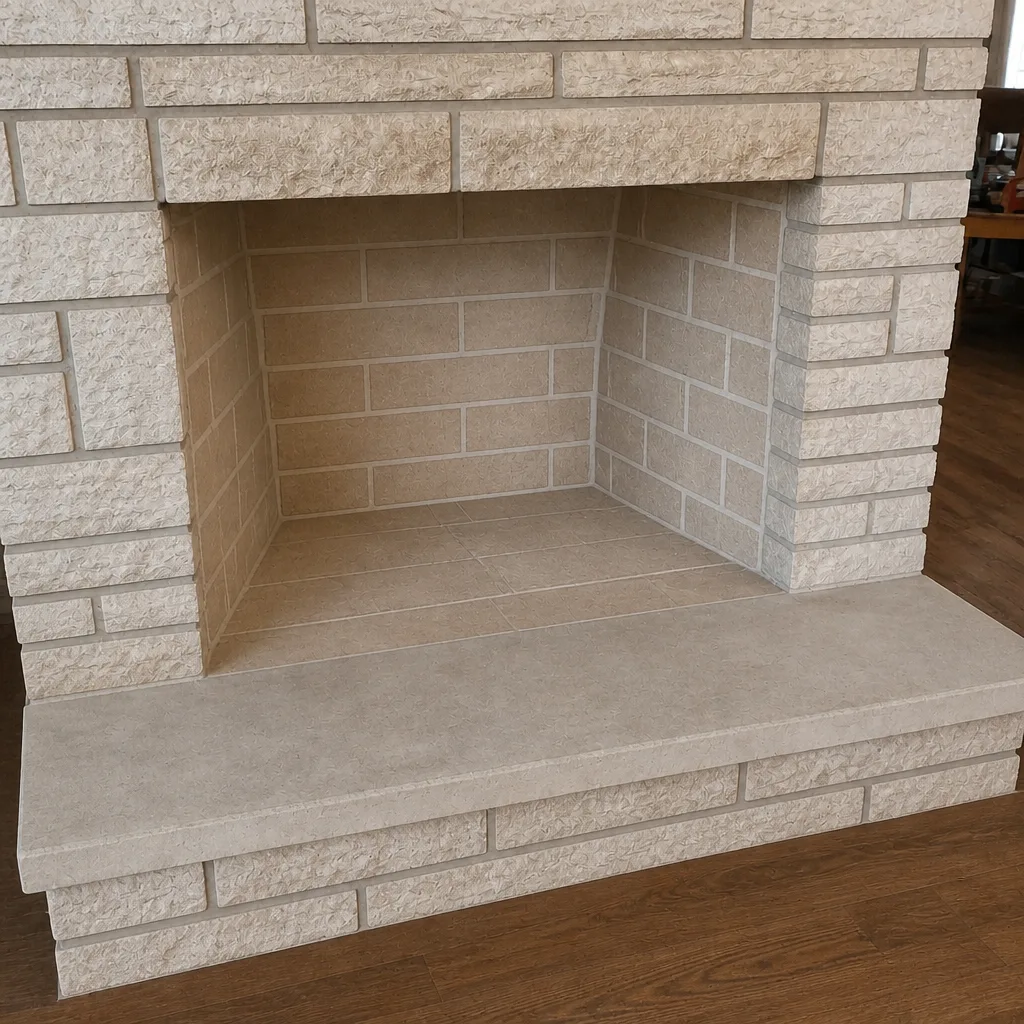
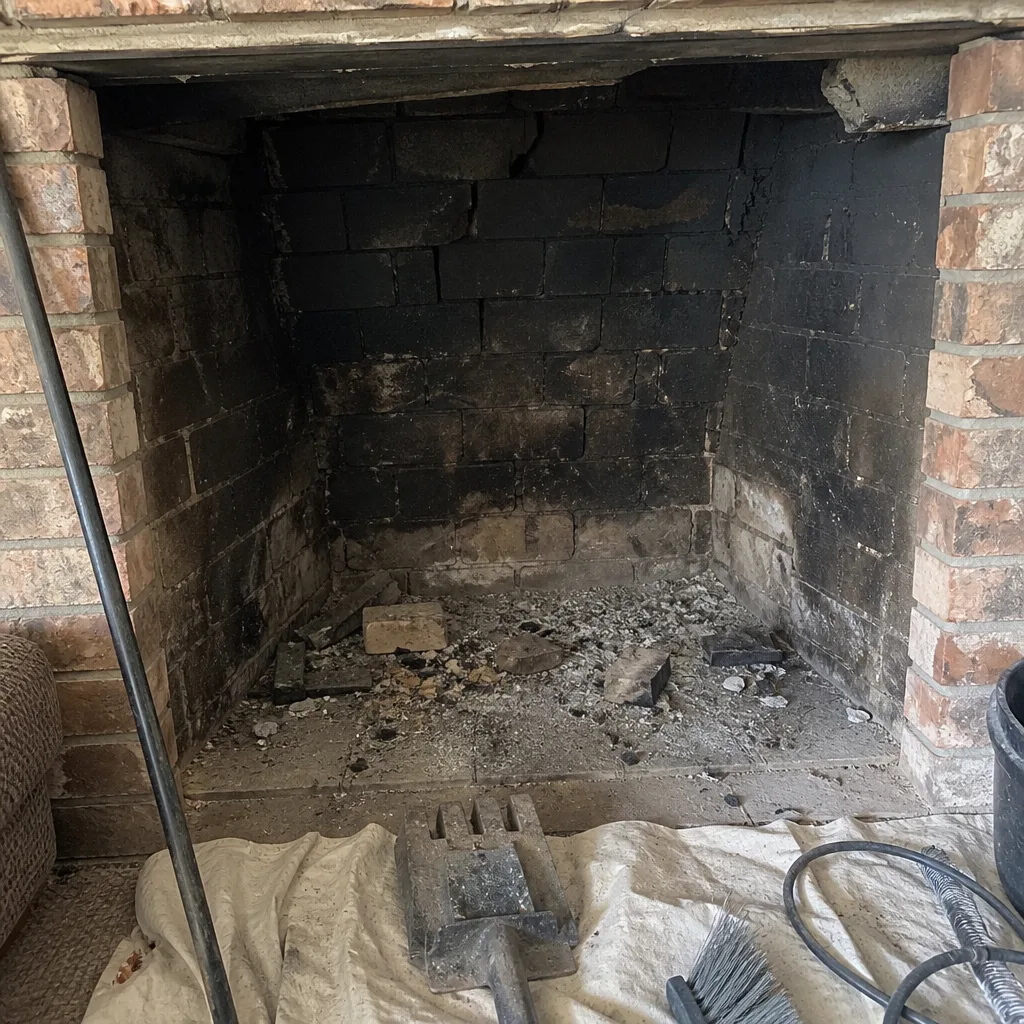
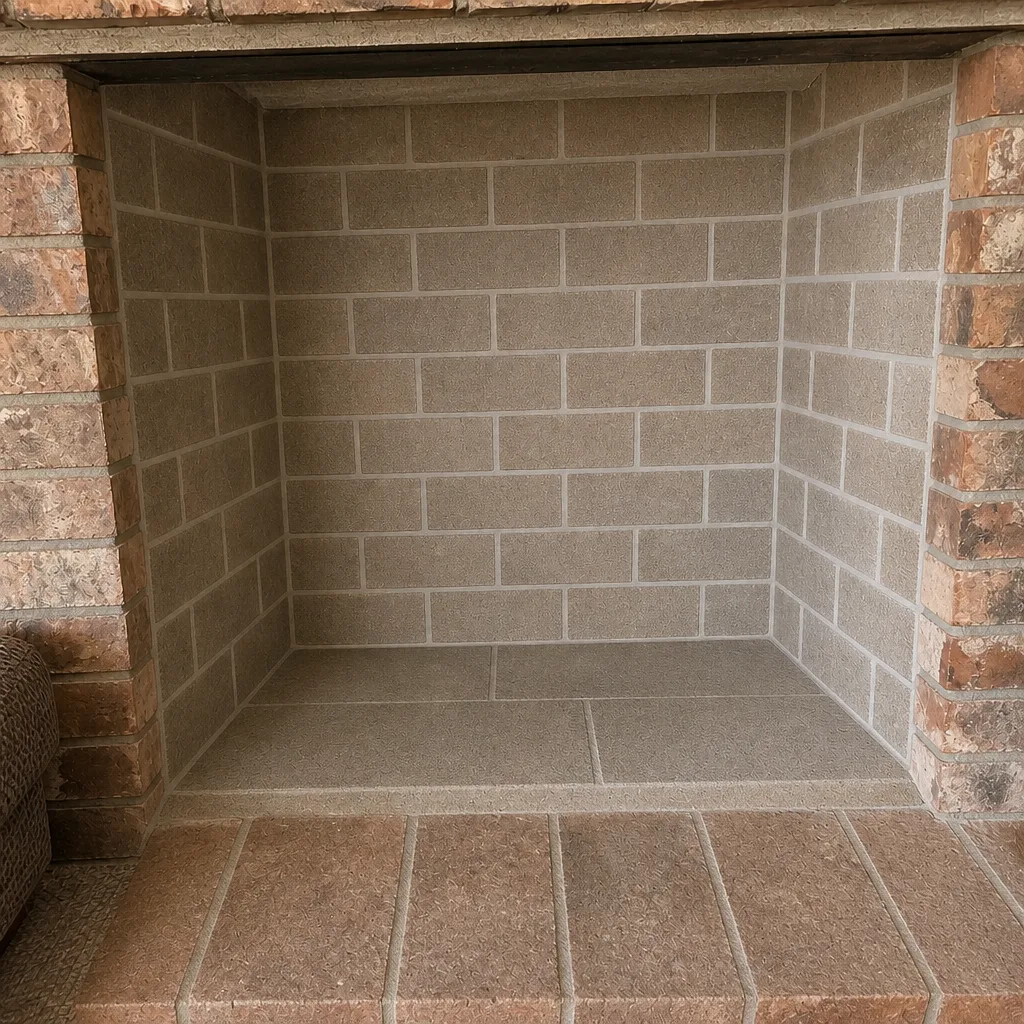
See the difference
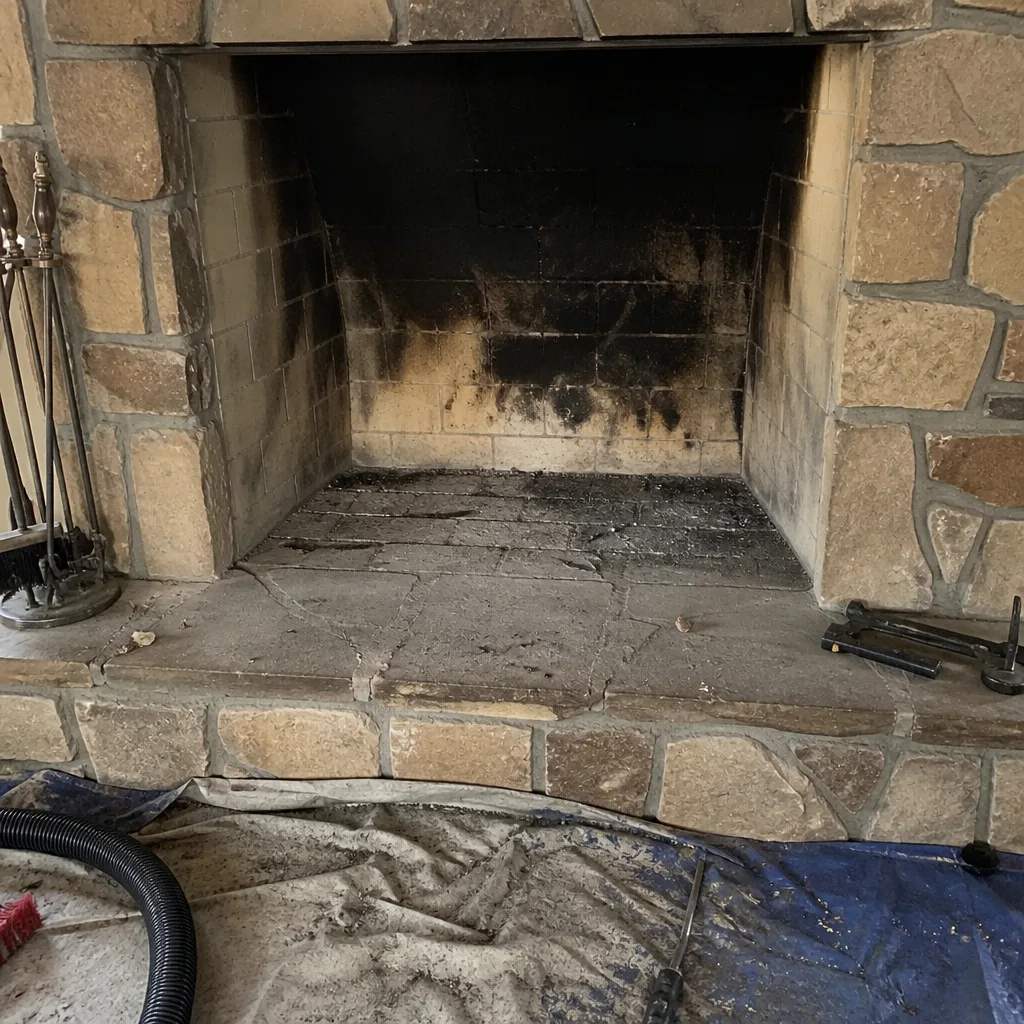 Before
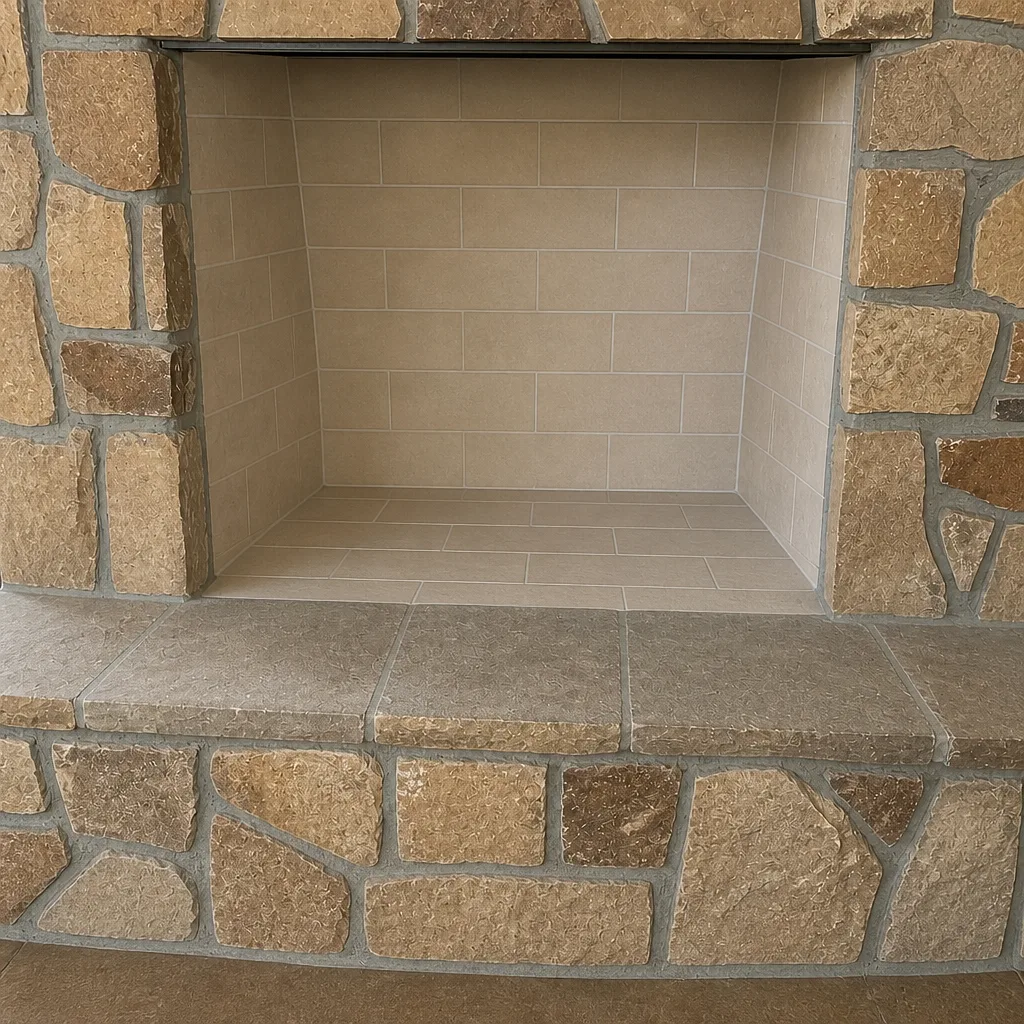 After
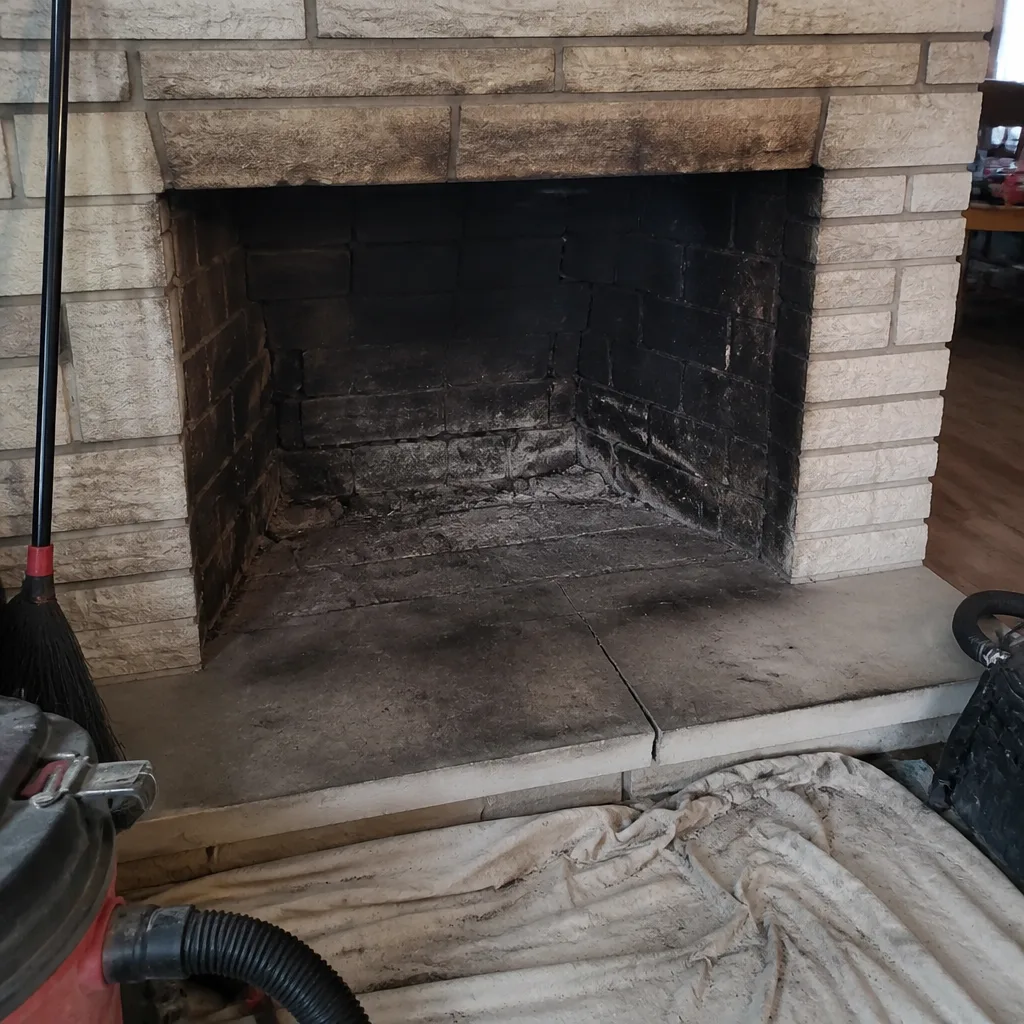 Before
 After
 Before
 After
When to Call a Professional
Some chimney work is a call now. Creosote smells in the house, a draft that’s changed noticeably, visible damage to the crown or cap, water stains on the ceiling near the chimney, or a chimney that has had a fire inside it – all of those are reasons to get a professional out and get a real inspection. Structural work like a liner replacement or a crown rebuild needs a professional who can pull the permit. And if you’re buying a home in Layton, a Level 2 inspection before you close is one of the best decisions you’ll make during the purchase. Chimney Sweep Layton offers free estimates in Layton – call (888) 861-5852. We answer 24/7. Fast dispatch from 7am to 7pm, Sunday through Friday.
Frequently Asked Questions
No – routine chimney cleaning is classified as maintenance and doesn’t require a permit in Layton or anywhere in Davis County. The permit line starts at structural work: liner replacements, crown rebuilds, firebox reconstruction, and chimney removal or height changes. If you’re not sure which category your job falls into, ask before the work begins. Call (888) 861-5852 for an exact quote – estimates are free.
A Level 2 inspection is required at a home sale, after a chimney fire, and after any alteration to the flue or venting system. It’s also called for after a damaging event like an earthquake or lightning strike, and when an appliance is replaced with one of a different fuel or input. It should be performed as a standalone service with a written report and photographs, not as a sales pitch attached to a cleaning. Call (888) 861-5852 to schedule one.
Yes, in most cases. A liner replacement changes the flue’s structure and venting pathway, which puts it squarely in permit territory under the locally adopted IRC. The permit creates a public record of the work that a title company and an insurance adjuster can verify later. The local professional pulls the permit and gives you the final inspection card for your records. Call (888) 861-5852 for a free estimate on liner work.
The work may be sound, but you lose the documentation that proves it. That becomes a problem at a home sale, in an insurance claim after a fire, or if the city later requires the work to be brought up to code – sometimes meaning it’s torn out and redone at your expense. The permit is cheap relative to that risk. Call (888) 861-5852 to talk through what your job needs.
Request the permit history from Layton City’s building department and compare it to a Level 2 inspection report. A newer liner with no permit on file isn’t automatically a problem, but it’s a gap in the record worth closing. The inspection confirms what’s actually there and rebuilds the paper trail. Call (888) 861-5852 to schedule the inspection and free estimate.
It depends on the scope. Replacing a simple cap or spark screen on an existing prefabricated chimney usually doesn’t need a permit. A structural crown rebuild or a cap installation that changes the flue or clearances typically does. We’ll tell you which side of the line your job falls on before we start, and we pull the permit when one is required. Call (888) 861-5852 for a free estimate.
The Bottom Line
Routine chimney cleaning in Layton doesn’t require a permit, and structural work does. That’s the line. NFPA 211 defines what a safe chimney looks like; the locally adopted IRC Chapter 10 defines what a legally constructed one looks like. A Level 2 inspection is required at a home sale, after a chimney fire, and after any flue modification, and it should stand alone as a documented service. The permit and inspection records you keep are the same records an insurer and a title company will ask for. If you’re buying a home in Layton with a fireplace, verify the paper trail before you close. If you’re repairing, pull the permit. The chimney is fine or it isn’t – and you deserve the documentation either way.
Need a sweep, an inspection, or a permit-level repair in Layton? Call (888) 861-5852 for a free estimate. We answer 24/7. Fast dispatch from 7am to 7pm, Sunday through Friday.
Written by the team at Chimney Sweep Layton.