
Last updated November 24, 2026
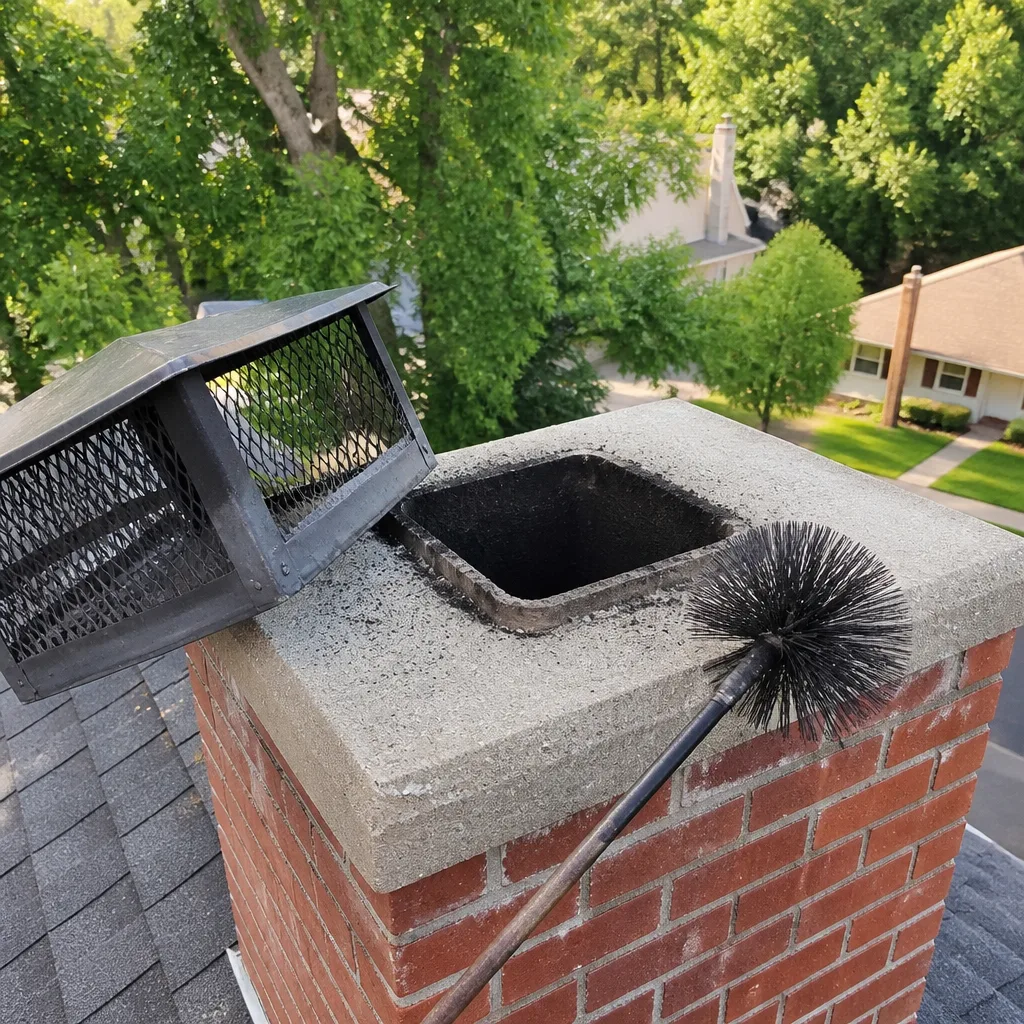 Sweep & inspection
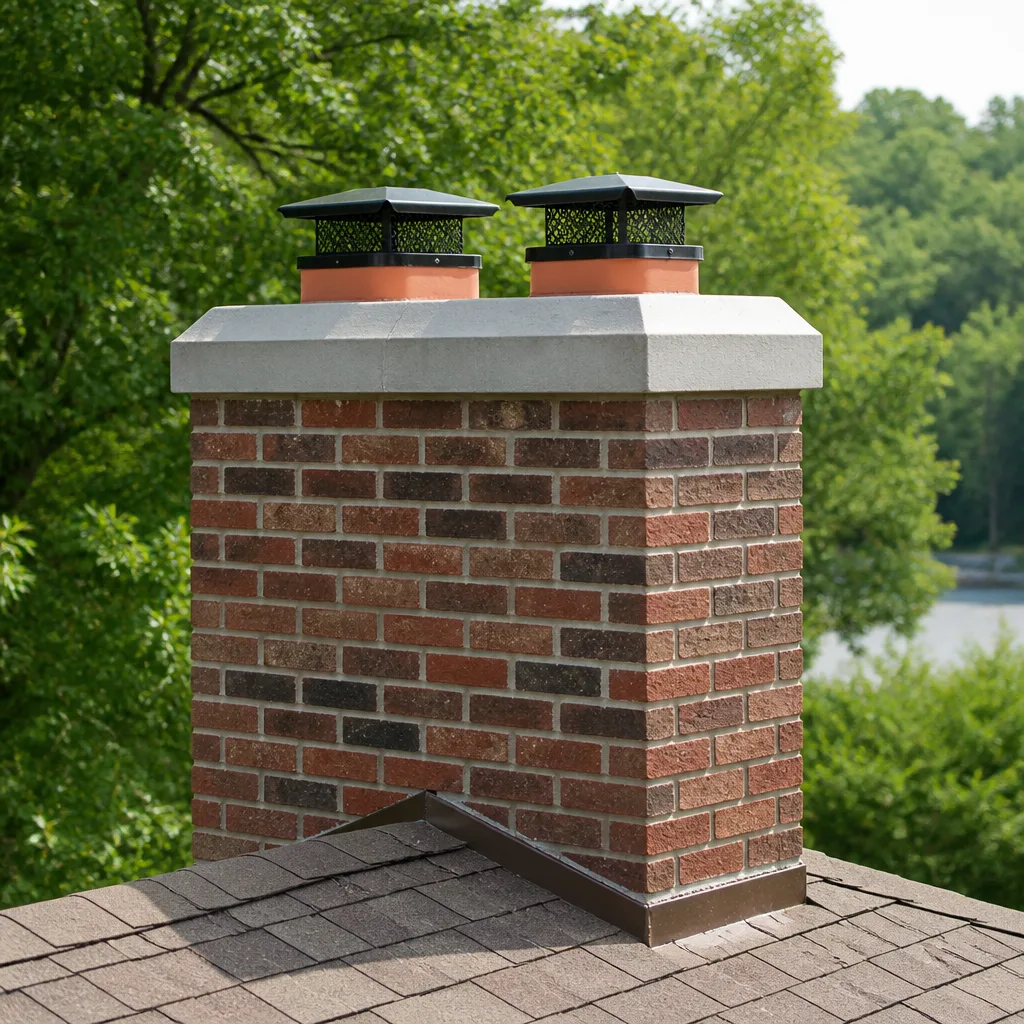 Caps & crowns
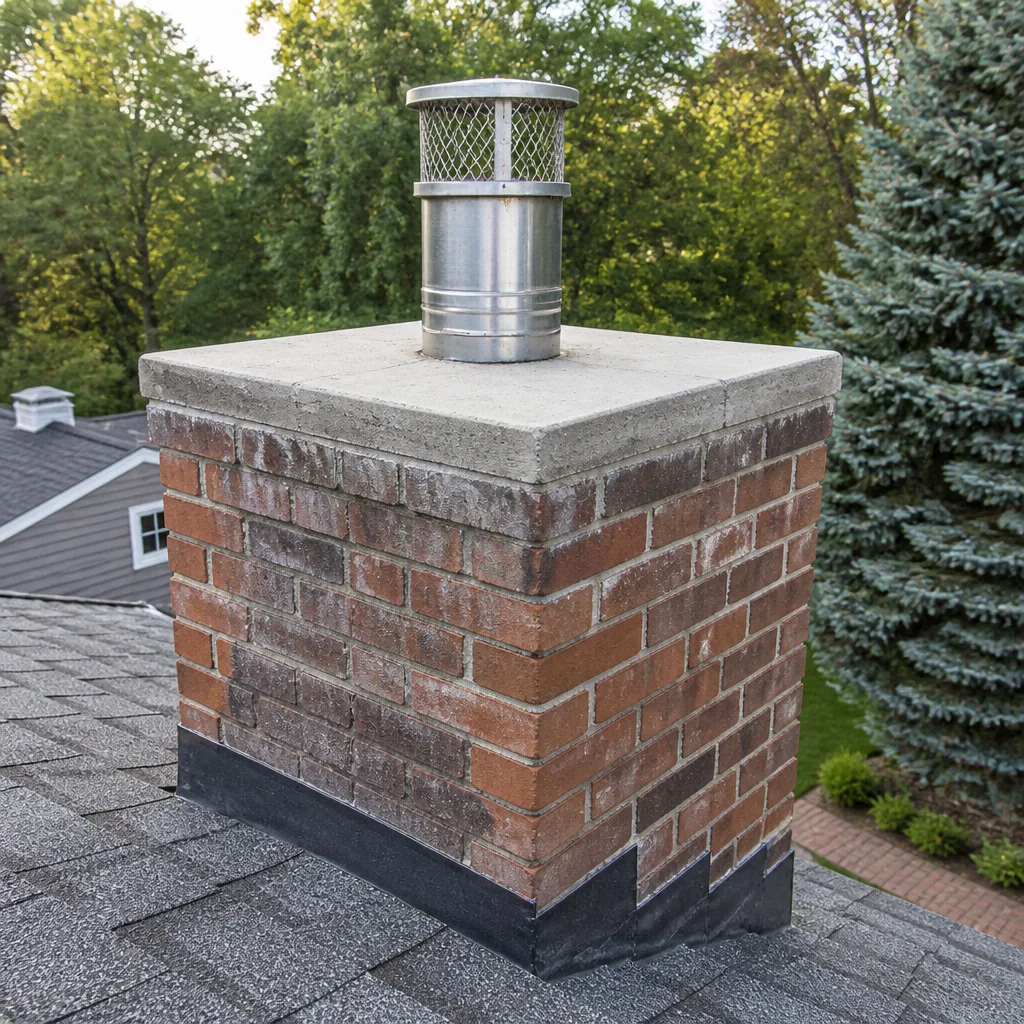 Flue relining
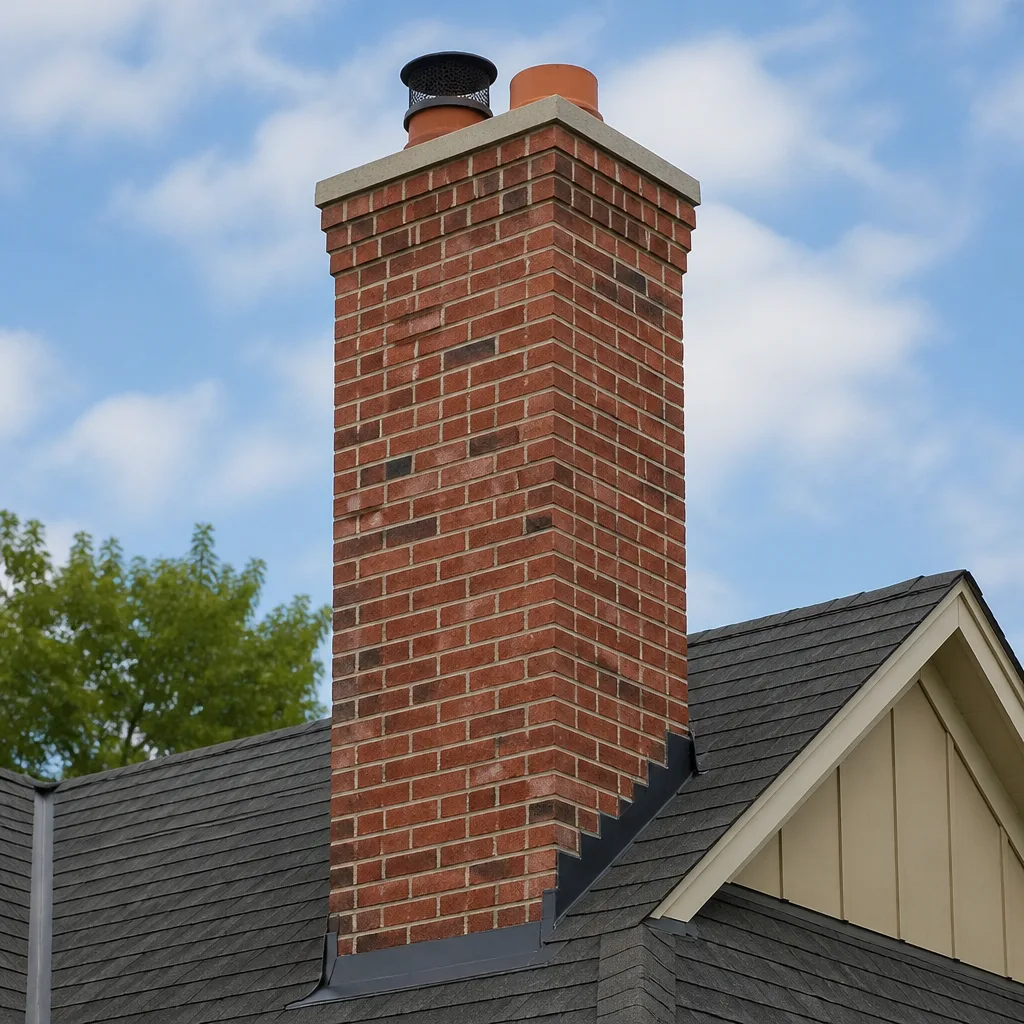 Masonry repair
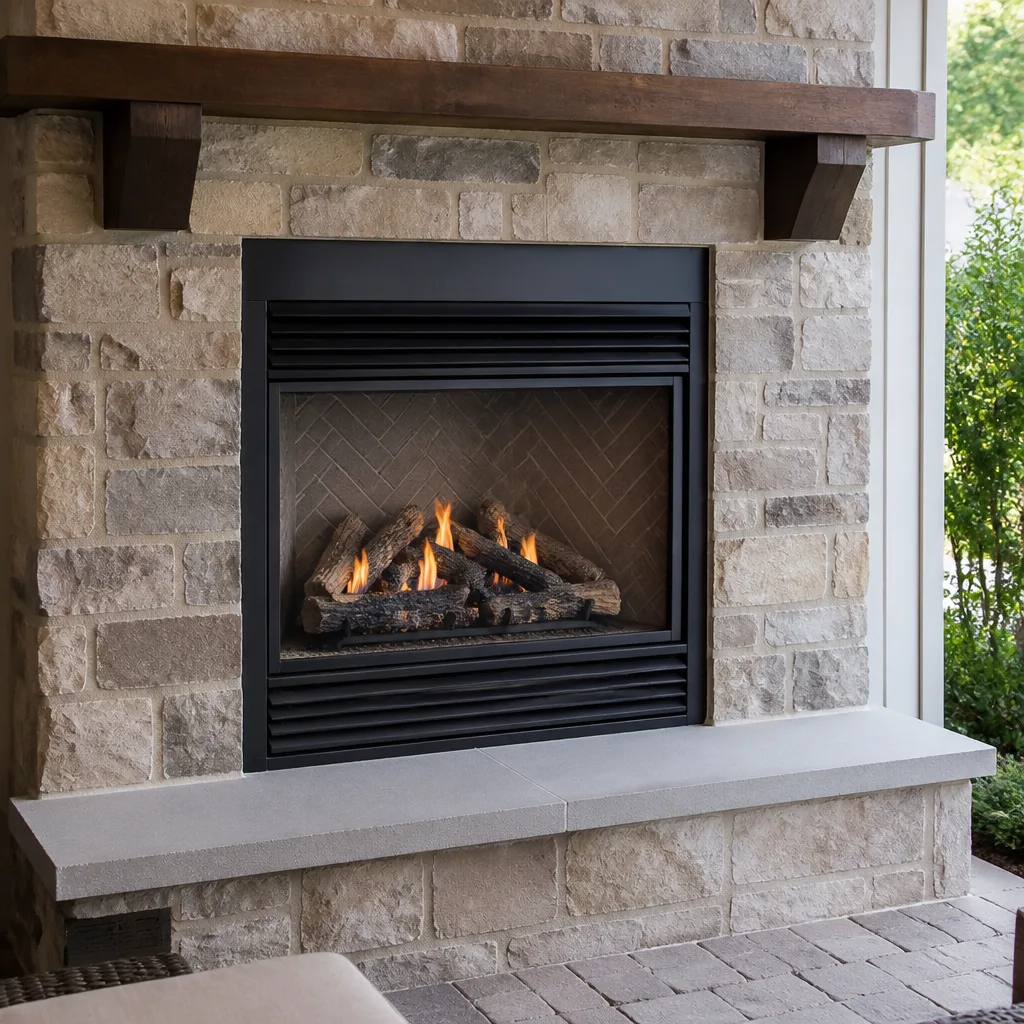 Gas fireplace service
Level 1 sweep and inspection to the NFPA 211 annual standard - flue, crown, cap, and flashing checked and photographed
Chimney sweep logs do not sweep chimneys. They loosen some creosote - which then falls where a brush and vacuum still have to collect it.
Seasonal Chimney Cleaning Care for Layton: Year-Round Homeowner’s Guide
Most homeowners think about their chimney twice: once when the first cold snap hits and once when they notice a smell in July. That calendar is wrong for Layton. Here, a chimney’s hardest months aren’t always the ones with the most fires burning. Layton sits in a valley where winter inversions trap cold air and wood smoke close to the ground, so a flue that vents fine in another Utah city can struggle here. Add freeze-thaw cycles that work masonry joints from January into March, and summer monsoon moisture finding its way into open flues, and you have four seasons that each stress a different part of the system. This guide walks through all four, in order, with the timing that actually fits how chimneys behave in Layton.
Quick Answer
Seasonal chimney care in Layton means matching the work to the season: schedule your annual sweep before inversion season arrives in October, watch for draft problems during winter burning, inspect mortar joints, crown and flashing after the last freeze in spring, and protect uncapped flues from monsoon moisture and nesting birds through summer. Each season stresses a different part of the chimney, and a single annual cleaning doesn’t cover all four.
Styles & brands we work with
- Sweep & inspection
- Caps & crowns
- Flue relining
- Masonry repair
- Gas fireplace service
Table of Contents
- Fall: Why October Sweeps Matter More in Layton
- Winter: Telling a Draft Problem from a Blockage
- Spring: What Freeze-Thaw Does to Your Masonry
- Summer: Monsoon Moisture and Nesting Birds
- How to Time Professional Visits and Skip the Rush
- What a Real Inspection Covers (and What a Brush-Only Visit Misses)
- Creosote: Why Layton’s Air Makes It Build Faster
- Common Mistakes to Avoid
Fall: Why October Sweeps Matter More in Layton
The single most useful date on a Layton homeowner’s chimney calendar is somewhere in the first half of October. That’s before the valley’s cold-air inversions settle in for the winter, and it’s before the annual rush that hits every sweep in Davis County once the first hard freeze arrives. A chimney swept in October starts the burning season with a clean flue, which matters more here than in a hill town above the valley floor.
Here’s the reasoning. During a winter inversion, a layer of warmer air sits above colder air near the ground, and the smoke from every fireplace and wood stove in the valley gets trapped underneath it. Combustion doesn’t stop because the air is stagnant. It just means the flue is working against a heavier, denser outside atmosphere, and draft weakens. A weaker draft means smoke lingers longer in the flue, cools against the walls, and deposits creosote faster. The same fire that leaves a thin film in a well-venting flue can leave a thicker, stickier layer when the chimney is fighting an inversion. Starting the season clean gives you more margin before that buildup becomes a problem.
A pre-season sweep in Layton also catches the things that accumulated over the summer, which we’ll get to below. By the time homeowners call in November, they’re often describing a draft problem that a September cleaning would have prevented.
What an October visit should include:
- A full flue sweep sized to your liner, not a quick brush-and-go
- A look at the firebox, damper and smoke chamber
- A check of the cap and crown from the roof
- Photo documentation of what was found, so you can compare year to year
If you want the sweep booked before the calendar fills, our chimney sweep service is the place to start, and early fall is when it does the most good.
Winter: Telling a Draft Problem from a Blockage
Mid-winter is when Layton homeowners notice something’s off: smoke rolling into the room when they open the damper, a fire that’s sluggish to catch, or a smell that lingers after the fire dies. Those symptoms can mean two very different things, and telling them apart matters because one is a cleaning issue and the other can be a safety issue.
A draft problem caused by inversion weather usually behaves a certain way. The fire lights fine on a mild day, then smokes only when the valley is socked in. It improves if you crack a window near the hearth, because you’re giving the fire replacement air. It tends to be worse in the morning when the outside air is coldest and the inversion is strongest. The chimney itself may be clean, and the fix is often about air supply, a damper that isn’t opening fully, or a flue that’s undersized for the appliance.
A blockage behaves differently. It smokes every time, not just on inversion days. It may smell acrid even when there’s no fire. You might hear animal sounds, or see debris fall into the firebox when you open the damper. A blockage can be a nest, a collapsed liner section, or heavy creosote flaking off the walls. That’s not a weather problem, and no amount of window-cracking will fix it.
How to tell them apart:
- Note whether the smoking happens only on hazy, still days or every single fire.
- Check whether cracking a nearby window changes anything. If it does, you’re likely looking at a draft issue.
- Look into the firebox with a flashlight for fallen debris or a nest visible above the damper.
- Listen for scratching or chirping, which points to an animal.
- If you smell smoke in the room even without a fire, treat it as a possible blockage and stop burning until it’s checked.
Anything that involves a suspected blockage, a damaged liner, or smoke entering the living space is a stop-and-call situation. Burning through it stresses the flue and, in the worst case, pushes carbon monoxide into the home. We’d rather you call and hear that it’s nothing than keep burning through a real problem.
Spring: What Freeze-Thaw Does to Your Masonry
The masonry damage that shows up in spring was set in motion in January. Layton’s winters swing above and below freezing repeatedly, and each swing is a small event for brick and mortar. Water works into a hairline crack or a porous mortar joint, freezes overnight, expands, and thaws the next day. Repeat that a few dozen times over a winter and a hairline becomes a real crack. By the time the snow is gone, the chimney’s exterior has taken more stress than it shows from the ground.
Spring is the right time to look because the damage is fresh, visible, and cheap to fix while it’s small. Three areas deserve a close look after the last freeze:
- Mortar joints. Recessed, crumbly or missing mortar between bricks means water is getting in. Repointing is straightforward when it’s caught early and much more involved once the brick face starts spalling.
- Crown integrity. The crown is the concrete cap on top of the chimney that sheds water away from the masonry. A cracked or separated crown lets water run straight down into the flue. Small cracks can be sealed; a failed crown needs to be rebuilt.
- Flashing. The metal where the chimney meets the roof is the most common leak point on any home. Freeze-thaw pulls flashing loose, and the next rain finds the gap.
A dedicated inspection after the thaw is the honest way to know what your chimney actually needs. We offer chimney repair as a standalone service, and we treat inspections the same way. If the mortar is sound and the crown is intact, we tell you that and you can wait. If there’s a crack worth sealing now, you’ll see the photo before anyone recommends a thing. Spring is also when a HeatShield ceramic resurfacing makes sense if the flue liner has pitting or gaps that a sweep alone won’t fix. That system is specialized enough that many local sweep companies don’t carry it, and it’s a genuine option for a liner that’s worn but not collapsed.
Summer: Monsoon Moisture and Nesting Birds
Summer is the season most homeowners ignore their chimney entirely, and it’s the season when a surprising amount of damage gets done. Two things happen in a Layton summer that don’t happen in a dry, still climate: monsoon moisture arrives in bursts, and birds look for a sheltered place to nest.
An uncapped flue is an open pipe pointing at the sky. When monsoon rain comes through, water runs down the inside of the flue, soaks into creosote deposits, and sits against the masonry. Wet creosote is acidic, and over a season it eats at mortar and liner joints. That’s the source of the musty smell some homeowners notice on humid summer days even though the fireplace has been cold for months. A proper cap sheds the rain and keeps the flue dry.
Birds are the second problem. A flue with no cap or a damaged one is an ideal nest site: sheltered, warm, and rarely disturbed. Nests block the flue, and a blocked flue in fall means a chimney that won’t draft when you first try to use it. The debris also pulls moisture and holds it against the liner. By the time you light the first fire, you’re dealing with a blockage you could have prevented with a cap.
What a summer walk-around catches:
- A missing or rusted-through cap
- Cracked crown that let spring rain in
- A nest or debris visible from the roof
- Loose flashing after a summer storm
If your cap is missing or damaged, having it replaced before fall is the single best thing you can do for the flue between seasons. It’s also a good time to have a cap and crown installed if you’ve never had one, since summer is the low-stress season for scheduling. If you want that done alongside a fireplace check, our fireplace repair service covers the firebox end of the system too.
How to Time Professional Visits and Skip the Rush
The chimney trade has a predictable rhythm, and understanding it saves you a wait. Requests spike the week after the first cold snap, when a whole valley of homeowners light their first fire and discover a problem at the same moment. The week after Thanksgiving is the busiest stretch of the year for every sweep in Davis County. If you book into that window, you’re competing with everyone else who waited.
Here’s how to stay ahead of it:
- Book your annual sweep for late September or early October. This lands you before the first freeze and well before the post-snap rush.
- Schedule the spring inspection for April or May. The freeze-thaw damage is visible, and it’s before summer storm season adds more.
- Handle cap and crown work in late spring or early summer. Those are the quiet months, and it protects the flue through monsoon season.
- Don’t wait for a symptom to book. A smoking fireplace in November is an emergency call; a smoke test in September is a routine visit.
If you’re reading this mid-winter with a problem already, call us anyway. We answer 24/7. Fast dispatch from 7am to 7pm, Sunday through Friday. A call outside dispatch hours is booked into the next opening.
What a Real Inspection Covers (and What a Brush-Only Visit Misses)
A brush-only visit cleans the flue and leaves. A professional inspection looks at the whole system from firebox to crown. The two are not the same, and confusing them is how homeowners end up with a “cleaned” chimney that still has a cracked liner. In our experience, the most useful thing an inspection does is give you a documented picture of what’s actually there, so you can decide what to fix and what can wait.
A thorough inspection covers:
- The firebox and damper, checking for cracks and proper operation
- The smoke chamber and smoke shelf, where creosote and debris collect
- The full length of the flue liner, looking for gaps, pitting, cracks, or a collapsed section
- The crown, cap and flashing from the roof
- The exterior masonry for spalling or missing mortar
That’s the difference between a cleaning and an assessment. If your flue liner is worn, a flexible stainless liner from DuraFlex is the professional standard for relining a deteriorated or oversized flue, and it’s a permanent fix rather than a patch. If the liner has minor pitting but is structurally sound, HeatShield ceramic resurfacing can restore it without a full reline. Either way, the recommendation should follow the evidence, not lead it.
A formal inspection also matters if you’re selling a home in Layton or dealing with an insurance question, because a documented assessment from a chimney professional is something a buyer or an adjuster can actually use. We perform inspections as a dedicated service, separate from a cleaning, so you’re not paying for a sales pitch dressed up as an inspection. Our Chimney Sweep Layton team handles the sweep, the inspection and any repair the inspection turns up, with no handoff to a second contractor.
Creosote: Why Layton’s Air Makes It Build Faster
Creosote is the residue left behind when wood smoke cools inside the flue. The faster it cools, the more of it sticks to the walls, and how fast it cools depends on draft. In Layton, inversion weather weakens draft for weeks at a time, which means the same wood and the same appliance can deposit more creosote here than in a home at a different elevation or in a less inversion-prone climate. That’s the reason a once-a-year sweep is a minimum for regular burners, not a ceiling.
Creosote builds in layers, and the layers differ. A thin, flaky first stage is easy to brush out. A thicker, tar-like stage is harder to remove and more of a fire hazard. A glazed, hardened stage is the most dangerous and the most stubborn, and it’s the one that most often calls for a specialist to handle rather than a homeowner with a brush. This is also why we don’t recommend burning through a season without a sweep just because last year’s visit came back clean. Two winters of inversion-weak draft can change the picture.
What slows the buildup down:
- Burning dry, seasoned wood rather than green or damp wood
- Not choking the fire down to a slow smolder on low-draft days
- Keeping the flue clean so the smoke has a clear path to cool against
- Scheduling the sweep before inversion season rather than after
Fire safety in a creosote-lined flue is real and specific. A chimney fire can start without a dramatic roar and burn hot enough to crack a liner or spread to the framing. Carbon monoxide is the quieter risk, since a damaged flue or blocked passage can let combustion gases into the living space without any visible smoke. We’re not going to scare you into a repair you don’t need. But a sweep and inspection before winter genuinely lowers both risks, and that’s the honest case for doing it.
Common Mistakes to Avoid
- Skipping the sweep because last year’s was clean. In Layton, an inversion-heavy winter can deposit more creosote than the year before, so last year’s result says little about this year’s.
- Assuming a chimney fire never happened. A small fire can burn out on its own and leave a cracked liner behind. Any crack or pitting in the flue is a reason to have it looked at before the next fire.
- Letting a bird’s nest stay through summer. A nest left in a flue pulls moisture and blocks draft. It needs to come out before fall, not after you notice the smoke.
- Repointing mortar with a big-box patch. A mortar that doesn’t match the chimney’s original formulation can fail faster than the joint it was meant to repair. It’s a job for a chimney mason.
- Ignoring a cracked crown until the flue liner gets wet. A crown is cheap to repair early and expensive to ignore. Water gets into the liner through a cracked crown and stays there.
- Booking a sweep the week after Thanksgiving. That’s the busiest window of the year in Davis County. An October visit gets the same work done without the wait.
- Trusting a “cleaning” that never checked the liner. A brush-only visit doesn’t look at the firebox, crown or flashing. The parts most likely to fail are the ones a quick sweep skips.
When to Call a Professional
Some chimney work is genuinely worth a call. Smoke rolling into the room when you open the damper, a smell of smoke with no fire burning, a visible crack in the firebox or flue, a water stain on the ceiling near the chimney, or a nest or debris you can see in the flue are all reasons to stop burning and get it checked. None of those are jobs to solve with a flashlight and a ladder, because the dangerous parts of a chimney, including the liner and the high heat path, are the ones you can’t safely reach or assess on your own.
Routine work is a different call. If you’re booking an annual sweep before the inversion season, or a spring inspection after the last freeze, that’s a scheduled visit, not an emergency, and it’s the cheaper way to keep a chimney healthy. Chimney Sweep Layton offers free estimates in Layton. Call (888) 861-5852 and we’ll book the visit that fits your chimney’s calendar.
See the difference
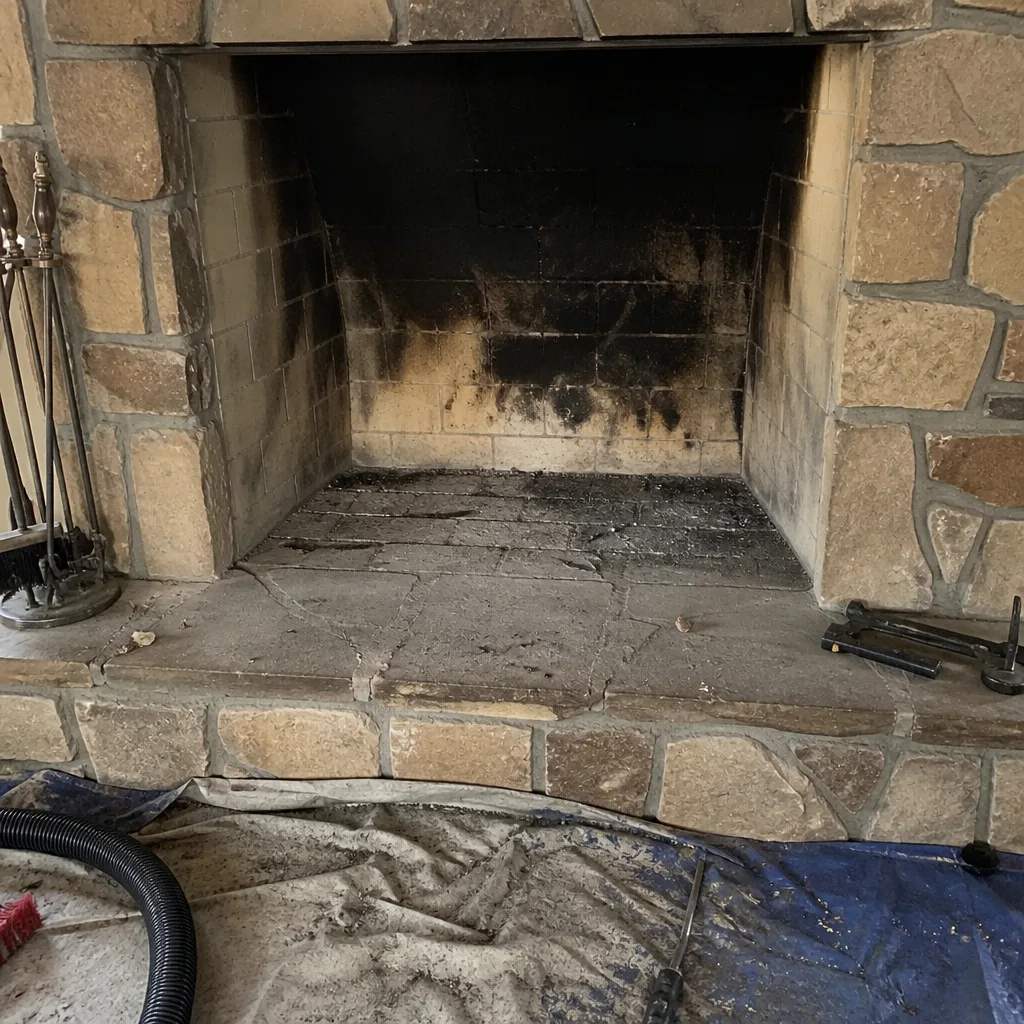 Before
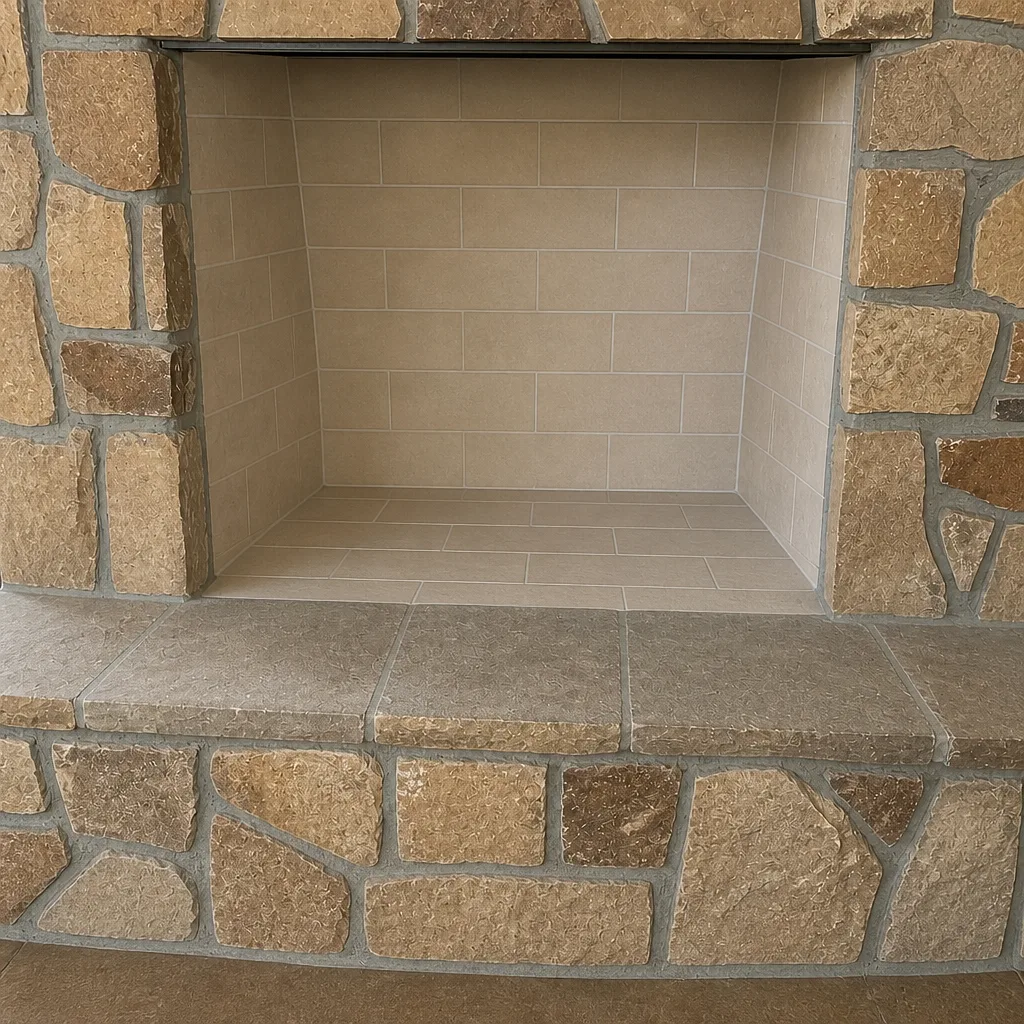 After
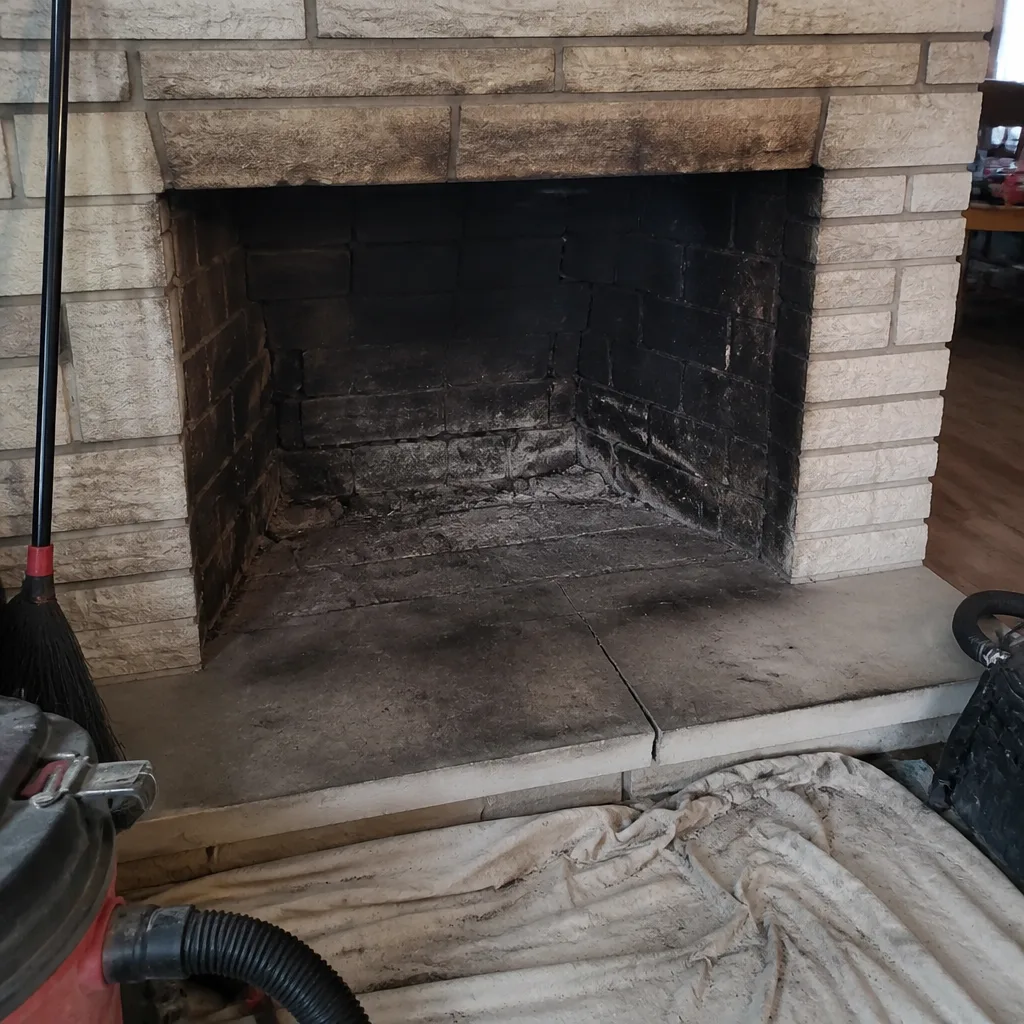 Before
 After
 Before
 After
Frequently Asked Questions
For a home that burns regularly through the winter, an annual sweep is the baseline, scheduled before inversion season in October. Homes that burn heavily, or that burn green or damp wood, may need a mid-season check as well, because inversion-weak draft in Layton can build creosote faster than in less inversion-prone climates. If you’re unsure, a sweep and inspection in early fall will tell you what your chimney actually needs. Call (888) 861-5852 for an exact quote. Estimates are free.
Winter inversion weather weakens draft by trapping cold air and smoke near the valley floor, so a chimney that vents fine on a mild day can struggle during a hazy stretch in Layton. If the smoking only happens on still, cold days and improves when you crack a window, it’s likely a draft issue. If it smokes every time regardless of weather, treat it as a possible blockage and have it checked before lighting another fire. Call (888) 861-5852 to book an inspection.
Yes, and summer is when it matters most. Monsoon rain coming down an uncapped flue soaks into creosote deposits and holds moisture against the masonry, and birds nest in open flues through the summer. A cap sheds rain and keeps the flue dry through the off-season. If your cap is missing or rusted through, replacing it before fall protects the liner and prevents a blockage you’d otherwise discover the first cold night. Call (888) 861-5852 for a free estimate on cap and crown work.
A cleaning removes soot and creosote from the flue. An inspection assesses the whole system, from the firebox and damper to the liner, crown, cap and flashing, and documents what it finds. The two are separate services, and a brush-only visit that skips the liner and crown is where a lot of problems get missed. We perform inspections as a standalone service so you get an honest structural assessment before any repair is recommended. Call (888) 861-5852 to book one.
Creosote keeps building whether or not you sweep, and in Layton’s inversion months it builds faster because weaker draft lets smoke cool against the flue walls. The risk is a chimney fire that can crack the liner, and a damaged liner lets combustion gases, including carbon monoxide, into the living space. Skipping a year also lets small masonry problems grow. Spring freeze-thaw damage and a cracked crown only get worse with time. Call (888) 861-5852 and we’ll book a sweep before the season turns.
It depends on how far the damage has gone. Minor pitting in a structurally sound liner can often be restored with HeatShield ceramic resurfacing, a specialized system most local sweep companies don’t carry. A deteriorated or oversized flue that’s beyond resurfacing calls for a flexible stainless liner from DuraFlex, the professional standard for relining. The right answer comes from the inspection, not from a sales pitch, and we’ll show you the evidence before recommending either. Call (888) 861-5852 for a free estimate.
The Bottom Line
Layton doesn’t run on a generic chimney calendar. Its inversions, freeze-thaw cycles and monsoon moisture each hit the system at a different point in the year. The homeowner who sweeps before October, checks the masonry after the last freeze, caps the flue before summer, and keeps an eye on draft through the burning season catches small problems while they’re cheap. The homeowner who waits for a symptom ends up with an emergency call. The work is the same either way. The timing is what changes the cost. Book the sweep ahead of the rush, and the other three seasons take care of themselves.
Contact
If you’re ready to put your Layton chimney on a proper seasonal schedule, we’re here to help. We offer free estimates, and the written estimate sets the final price before any work begins. Call (888) 861-5852. We answer 24/7. Fast dispatch from 7am to 7pm, Sunday through Friday. From the firebox to the crown, we handle the sweep, the inspection, the repair and the cap, so nothing falls between seasons.
Written by the team at Chimney Sweep Layton.