
Last updated November 24, 2026
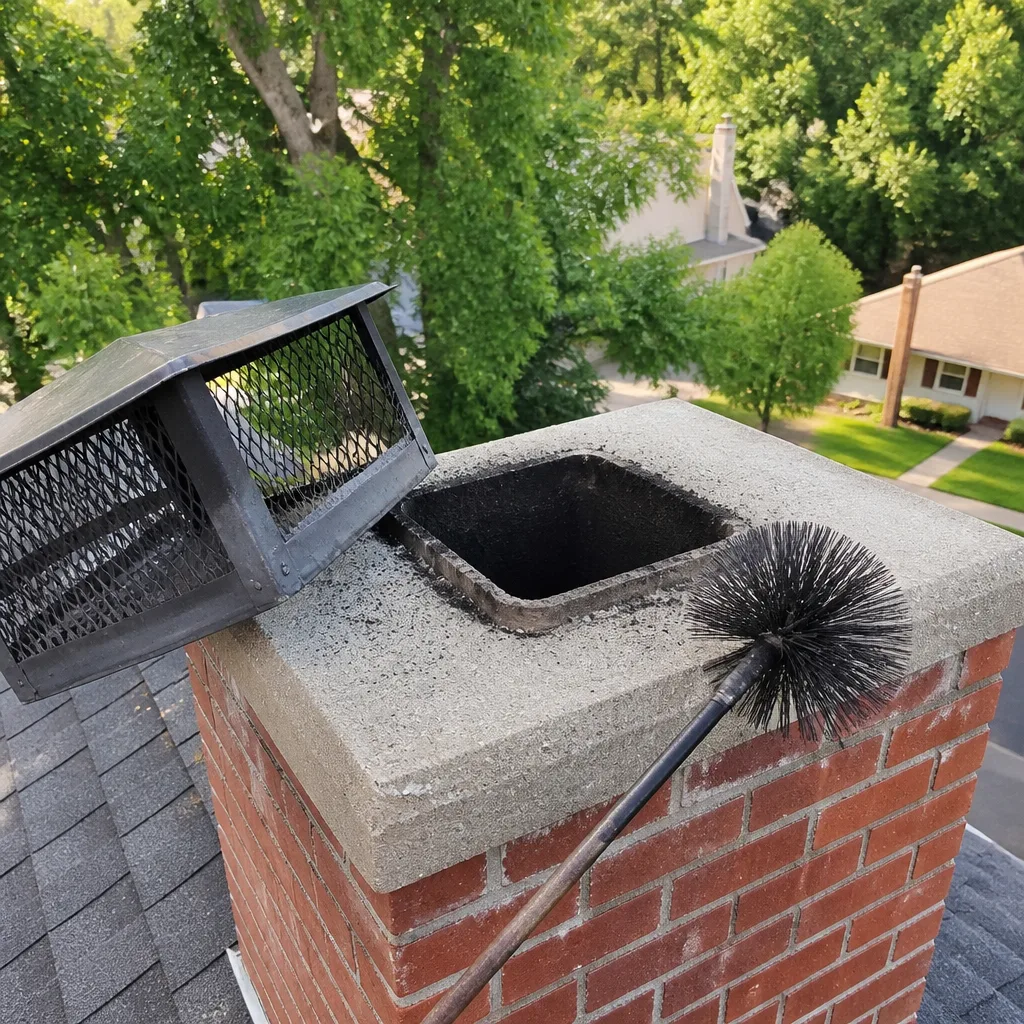 Sweep & inspection
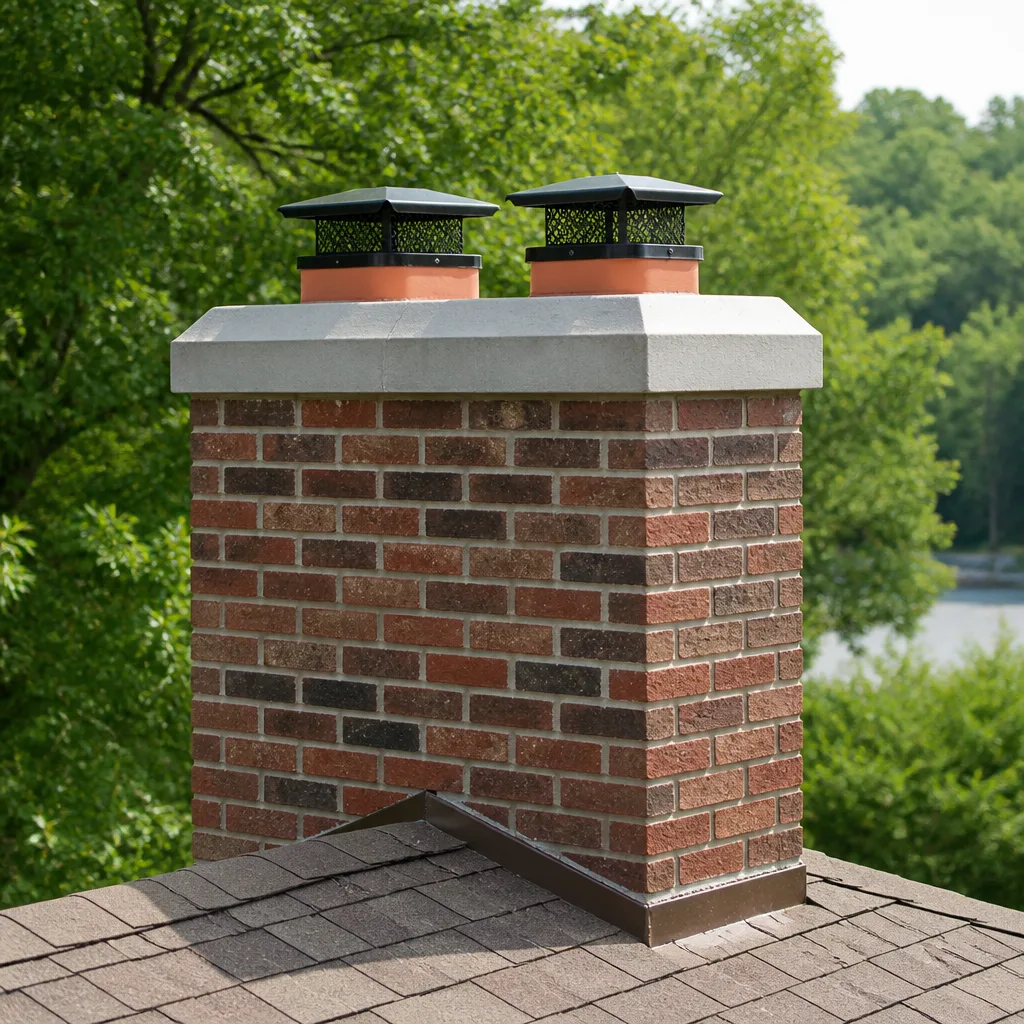 Caps & crowns
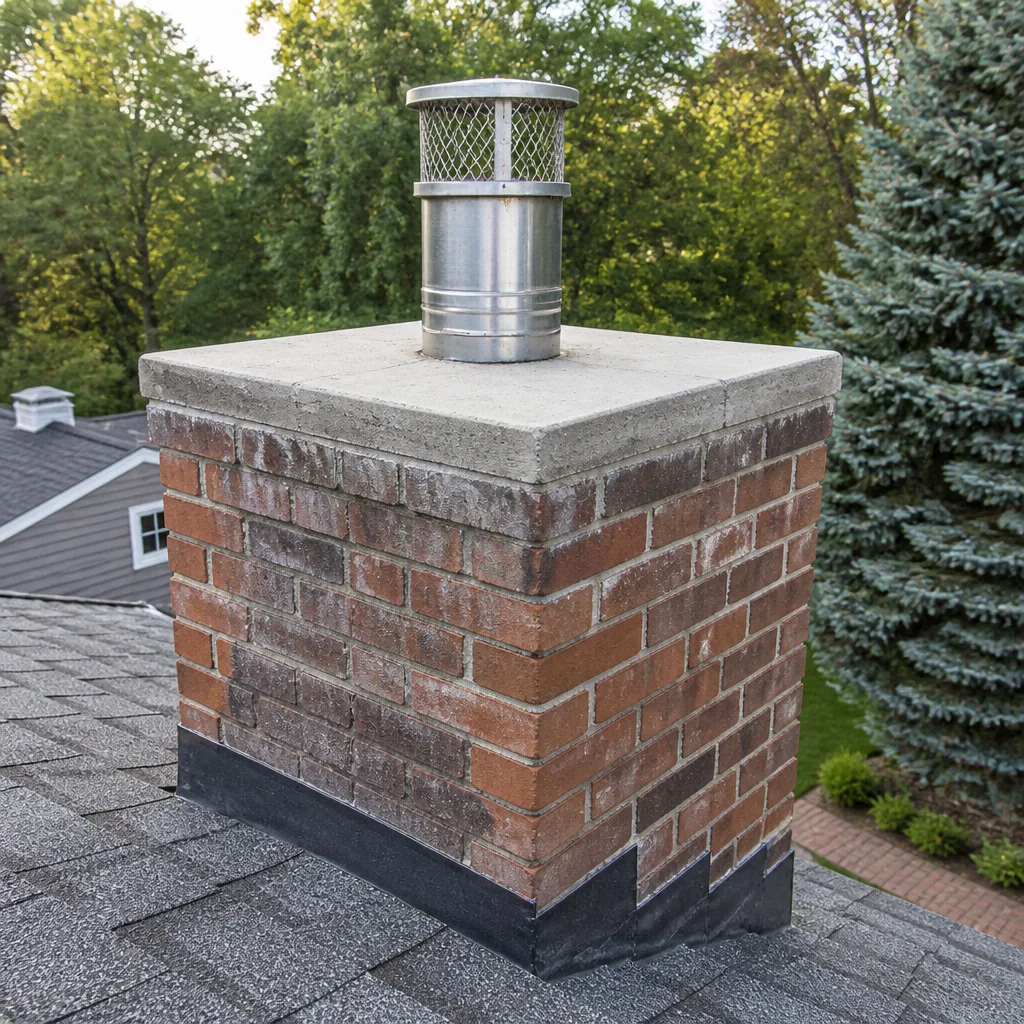 Flue relining
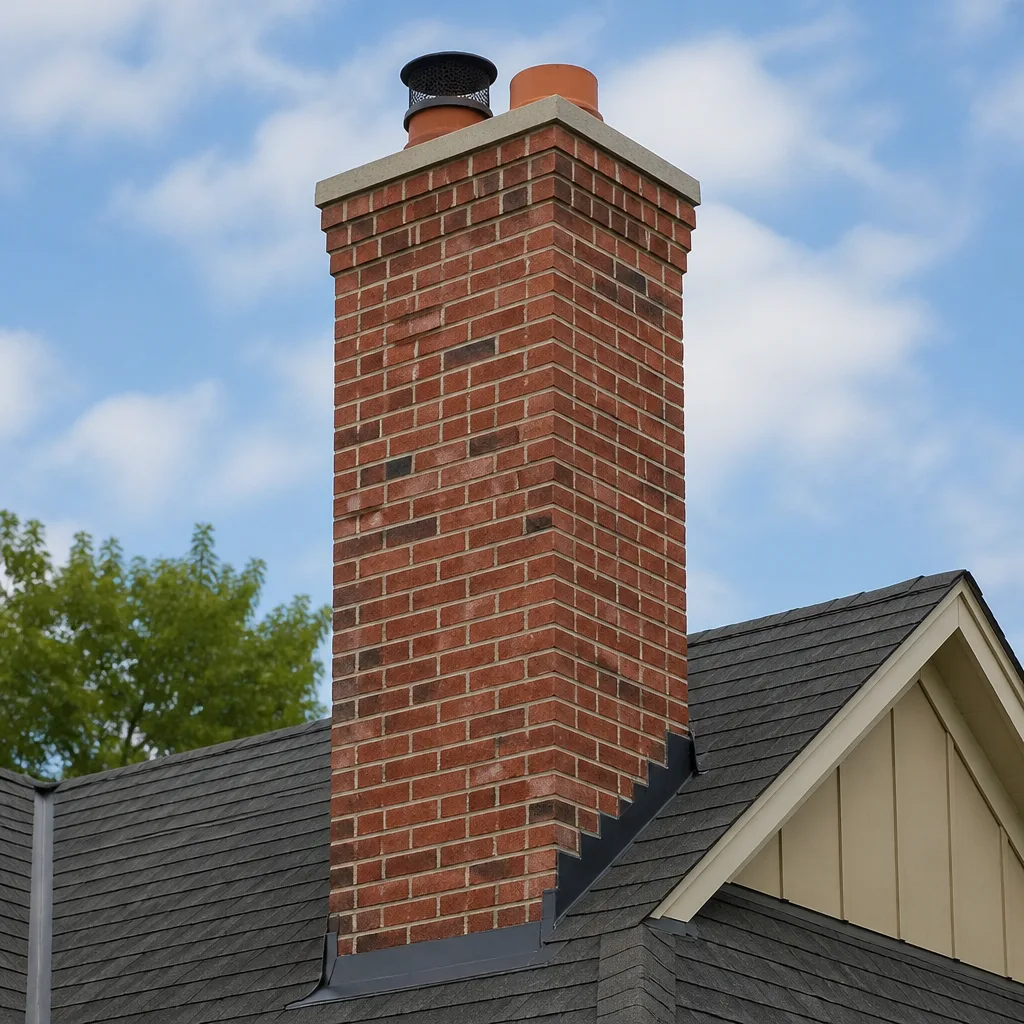 Masonry repair
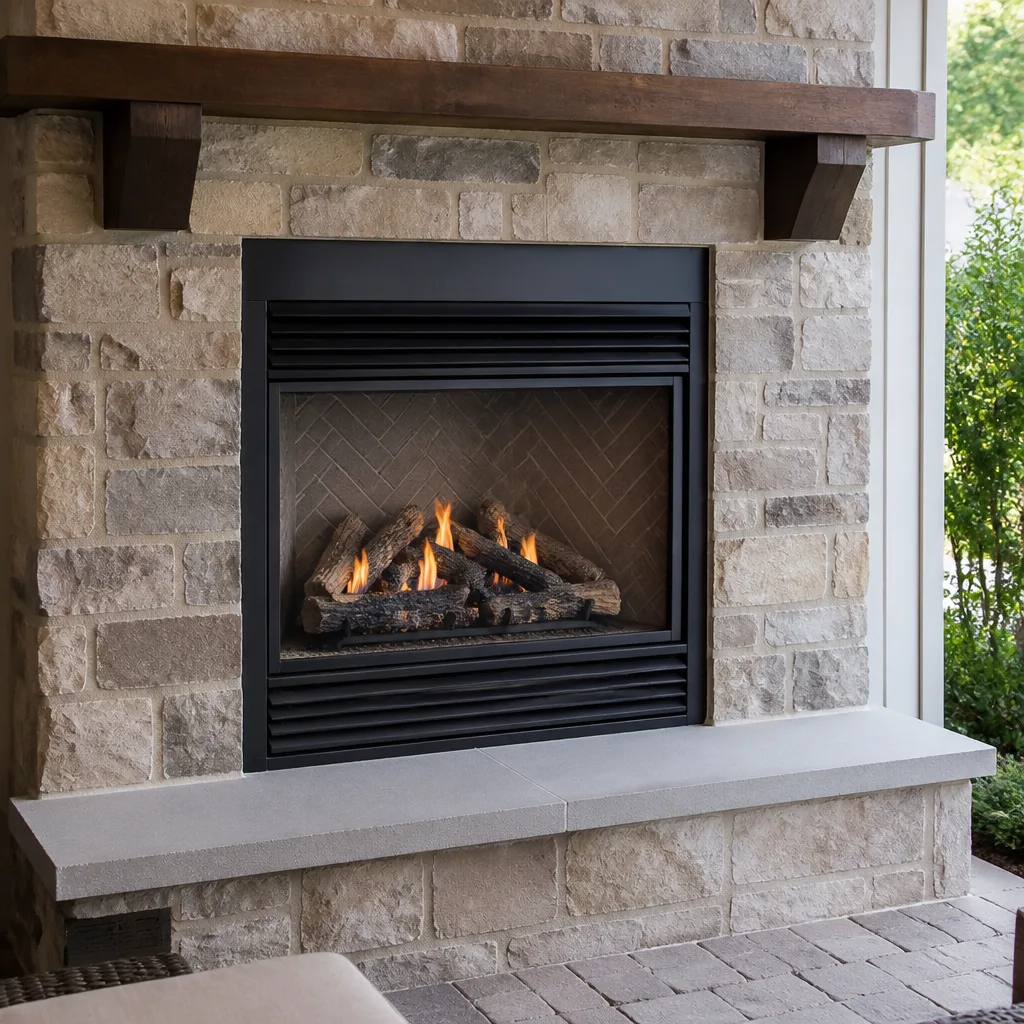 Gas fireplace service
Level 1 sweep and inspection to the NFPA 211 annual standard - flue, crown, cap, and flashing checked and photographed
Chimney sweep logs do not sweep chimneys. They loosen some creosote - which then falls where a brush and vacuum still have to collect it.
DIY vs Professional Chimney Cleaning: The Layton Homeowner’s Decision Guide
Chimney brushing kits sell the idea that cleaning is nearly the whole job. Run the brush up the flue, pull down the soot, done. But cleaning is only half of what a sweep actually does. The other half is inspection, and no consumer-grade brush set or phone camera tells you whether your clay tile liner has hairline cracks that are ready to fail under heat stress. In Layton, where winters run cold enough that fireplaces work hard for months, that gap between a clean flue and a safe flue is exactly where the real risk lives. This guide walks through what DIY can honestly accomplish, where it quietly creates a false sense of safety, and how to decide which path fits your home.
Quick Answer
DIY chimney cleaning can remove soot and light creosote from an accessible flue, but it cannot assess liner condition, measure creosote stage, or test draft the way a professional sweep does. For a lightly used fireplace with a known-good liner, a homeowner can handle an interim brushing. For anything older, heavily used, or showing signs of trouble, professional cleaning and inspection are the safer call. Most Layton homes with 1970s through 1990s clay tile systems fall into that second category.
Styles & brands we work with
- Sweep & inspection
- Caps & crowns
- Flue relining
- Masonry repair
- Gas fireplace service
Table of Contents
- What DIY Chimney Cleaning Can Legitimately Accomplish
- What DIY Misses: The Inspection Half of the Job
- Why Layton’s Older Housing Stock Is Ill-Suited to DIY
- When DIY Is an Acceptable Interim Measure
- When DIY Creates a False Sense of Safety
- Liability and Insurance After Self-Performed Chimney Work
- The Decision Framework: DIY, Call, or Wait
- What to Ask a Professional to Document
What DIY Chimney Cleaning Can Legitimately Accomplish
A homeowner with a proper brush, rods, and a shop vac can do real work. We aren’t going to pretend otherwise.
Consumer chimney brush kits are available at almost any hardware store, and for a fireplace that gets occasional use with dry, well-seasoned wood, an annual brushing removes the soot film and light, flaky creosote that builds up on flue walls. That’s not nothing. Removing surface deposits reduces the fuel available for a chimney fire, and a homeowner who brushes regularly is at least paying attention to the system.
DIY cleaning handles these tasks reasonably well:
- Surface soot removal from a straight, accessible flue.
- Stage-one creosote – the flaky, brushable deposit that comes off with standard bristles.
- Firebox ash cleanup and sweeping the smoke shelf area (with the right tools and a good mask).
- Visual look at the firebox and the damper from below.
- Cap debris clearing if a bird nest or leaf pack is blocking the top and you can safely reach it.
What a brush cannot do is tell you anything about what’s happening inside the flue walls. Creosote progresses through stages, and stage-three creosote – the glazed, hardened, tar-like deposit – won’t come off with a wire brush no matter how hard you push. It has to be chemically treated and professionally removed. A homeowner brushing a glazed flue and calling it clean is one of the most common problems we walk into.
A brush also doesn’t measure draft. Draft problems often come from pressure imbalances, an undersized flue for the appliance, or an obstruction the brush passed right over. Those require a manometer and a trained eye, not a longer brush.
What DIY Misses: The Inspection Half of the Job
The core of the DIY-versus-professional question isn’t physical capability. It’s equipment and interpretation. A trained sweep carries tools a homeowner will never buy, and those tools see things a flashlight cannot.
Here’s what a professional inspection covers that a DIY brushing doesn’t:
- Video camera inspection of the flue liner. A sweep runs a camera down the flue and records what the liner actually looks like from the inside – cracks, gaps, spalling, offset tiles, missing mortar joints. A homeowner looking up from the firebox with a flashlight sees the first few feet at best.
- Creosote stage assessment. A trained sweep grades the creosote (stage one, two, or three) and knows which stages need chemical treatment versus standard sweeping. This determines whether a brush will make a difference or just polish the surface.
- Draft testing. Measuring the pressure differential to confirm the chimney is actually pulling smoke out rather than letting it spill into the room.
- Crown, cap, and flashing inspection from the roof. Cracks in the crown, a missing cap, or failed flashing around the chimney are water intrusion points that lead to structural damage – and none of them are visible from inside.
- Liner integrity assessment. This is the big one in older homes. Clay tile liners get hairline cracks from heat cycling over decades. A hairline crack looks harmless until it opens under a hot fire and lets combustion gases into the wall cavity.
- Documentation. A professional inspection produces a report – written notes, photos, camera footage – that a homeowner can reference later, use for insurance, or hand to a buyer during a real estate transaction.
That’s the gap. DIY handles the cleaning. It can’t handle the inspection, and the inspection is the part that tells you whether the next fire is safe.
Our technicians have up to 8 years of experience, and the recurring theme across all of it is the same: a homeowner brushes the flue for years, feels good about it, and then we put a camera down there and find cracking that’s been developing quietly for a decade. The brushing was fine. The missing inspection wasn’t.
If you’re going to have the flue professionally cleaned, do it through a dedicated chimney sweep who includes an inspection rather than a handyman who runs a brush and leaves.
Why Layton’s Older Housing Stock Is Ill-Suited to DIY
Layton has a wide range of housing ages, and the older neighborhoods carry the systems that make DIY riskier.
Many Layton homes built from the 1970s through the 1990s were constructed with clay tile flue liners – the standard materials of the era. Clay tile works well in new condition, but it’s brittle. It doesn’t tolerate thermal shock well, and after 30-plus years of heating and cooling cycles, it develops hairline cracks, spalled surfaces, and sometimes offset joints where one tile section has shifted slightly against the next.
Now consider what a homeowner does during a DIY cleaning. They push a stiff brush up a flue that’s already fragile. Sometimes the brush catches on a rough tile edge or a mortar joint and chips it. Sometimes it dislodges a piece of spalled tile that then falls and sits at the bottom of the flue. In a liner that’s already compromised, a DIY brushing can turn a repairable liner into one that needs relining.
Layton’s climate compounds this. Winters here are cold and long enough that a fireplace sees real use across several months, which means more heating and cooling cycles, more creosote accumulation, and more stress on the liner. Homes that see heavy burning season after season are exactly the ones where liner condition matters most – and exactly the ones where a DIY brushing with no inspection afterward carries the most risk.
The material quality matters when a repair is needed. If the inspection finds deterioration, the fix isn’t a hardware-store patch. A proper relining uses the same professional-grade materials certified chimney professionals specify. We install DuraFlex flexible stainless liners for deteriorated or oversized flues, and we use Gelco and Olympia Chimney components where the system calls for them. These are the professional standards, not the substitutes.
For clay tile liners that have cracked but haven’t fully failed, HeatShield ceramic resurfacing can restore the interior without a full reline. That’s a specialized system most local sweep companies don’t carry or know how to apply. It’s the kind of repair that only comes up when someone has actually put a camera down the flue and assessed the damage. No DIY cleaning reveals it.
When DIY Is an Acceptable Interim Measure
DIY has honest uses. It just isn’t a substitute for the full job.
There are specific scenarios where a homeowner brushing their own flue is reasonable:
- A newer home with a modern liner. A factory-built insulated stainless liner in a home built in the last decade or two, with light use and annual professional inspections already in place, tolerates light interim brushings well.
- Between scheduled professional cleanings. A homeowner who has an annual sweep done and wants to do a light mid-season brushing between visits can do so, assuming they’re careful and using the right tools for the liner type.
- Removing a fresh creosote film after a short burn season. If a fireplace only saw a handful of fires and there’s light flaky deposit, a brush removes it cleanly.
- Ash and firebox cleanup. Cleaning out the firebox, clearing ash, and wiping down the firebox walls is safe homeowner work.
In every one of these cases, the DIY brushing is a supplement – not a replacement – for the professional inspection pipeline. It’s fine as an interim measure if you already have a baseline professional assessment on record and you know your liner is sound.
What it isn’t is a starting point for a home you just bought, or a home with no known chimney history, or a home where the flue hasn’t been professionally inspected in years. Those situations call for a professional first, and the DIY brushing can come after, once you know what you’re brushing.
For firebox issues that show up during cleanup – a cracked firebox wall, loose brick, a damaged damper – that’s fireplace repair territory, and it’s not a DIY fix. Firebox cracks can let heat migrate into the structure behind the fireplace.
When DIY Creates a False Sense of Safety
The dangerous part of DIY cleaning isn’t the brush. It’s the assumption afterward that a clean-looking flue is a safe flue.
When a homeowner brushes the flue, pulls down soot, and looks up into a clean black interior, the natural conclusion is “done.” No smell, no visible buildup, nothing to worry about. That’s the false sense of safety. The flue looks clean because soot color is uniform. It doesn’t look cracked because hairline cracks aren’t visible from below. It doesn’t look glazed because glazed creosote reads as dark, and dark reads as normal.
DIY cleaning reaches the point of creating a false sense of safety in these situations:
- Any home with a clay tile liner over roughly 25 years old. The risk of hairline cracking is significant, and no amount of brushing surfaces it.
- Any flue where you can see glazed, shiny, or tar-like deposit. That’s stage-three creosote and it needs professional chemical treatment. Brushing does nothing useful.
- Any flue with draft problems – smoke rolling back into the room, sluggish fires, smell after the fire’s out. Those are signs that need a manometer, not a brush.
- Any home where the crown, cap, or flashing haven’t been inspected from the roof in recent memory. Water intrusion from a cracked crown causes damage that builds silently.
- Any home being prepared for sale or insurance inspection. A homeowner brushing doesn’t produce documentation of liner condition. A professional inspection does.
We’re not in the business of scaring homeowners into unnecessary work. The opposite, honestly. If your chimney is fine, we say so, and we document it. The reason we push inspection so hard is that the systems that fail are the ones nobody looked at. In our experience, the chimney fires that happen in Layton homes happen in flues that “looked clean.”
Commercial creosote buildup is flammable and can ignite under sustained heat. Carbon monoxide from a compromised liner has no smell and no color. Those are the actual risks – and they’re exactly the ones that a brush doesn’t detect.
Liability and Insurance After Self-Performed Chimney Work
If a chimney fire causes damage and the homeowner did their own cleaning, there are reasonable questions that come up in the insurance process.
Most homeowner policies cover chimney fires as a sudden accidental event, but insurers routinely ask for evidence of maintenance when a claim is filed. If you can produce a professional inspection report showing the liner was sound and the flue was regularly serviced, that’s straightforward documentation. If the answer is “I brushed it myself last spring,” you’re relying on your own word that the system was safe. That’s a much harder position – not impossible, but harder.
Self-performed cleaning also shifts the “was the loss preventable” question into murkier territory. If a professional sweep inspected the flue and missed something, there’s a service record showing the pitch of the system. If the homeowner inspected it themselves and missed a hairline crack, there’s nothing on paper to work with.
The other dimension is disclosure. Chimney fires that start inside a flue and stay inside a flue can sometimes be extinguished or burn out undetected by the homeowner. But they still leave signs – warped dampers, cracked tiles, discolored metal caps. If you’re selling a Layton home and self-cleaned the flue, those signs become someone else’s problem to discover, which becomes a disclosure issue.
None of this is meant to make DIY sound legally perilous. It isn’t. It’s meant to make the case that documentation matters, and documentation is a byproduct of professional work. A written inspection report with photos and camera footage is worth a lot more to a homeowner in a claim, a sale, or a future repair conversation than the memory of last spring’s brushing.
Dedicated chimney inspections are a standalone service. That means you can request one without a cleaning attached, get a documented assessment of the whole system, and use it for insurance, real estate, or your own planning.
The Decision Framework: DIY, Call, or Wait
Here’s a simple way to think through any given chimney situation. It applies to almost any Layton home we’ve ever been asked about.
Call a professional if any of these are true:
- You don’t know when the flue was last inspected.
- The home is older (clay tile liner, 25+ years).
- You see shiny, glazed, or tar-like deposit inside the firebox or at the damper.
- Smoke rolls back into the room when you light a fire.
- There’s a strong smell of creosote or smoke in the house after a fire burns out.
- You’re buying or selling the home.
- You’re filing or preparing to file an insurance claim.
DIY is reasonable as an interim measure if all of these are true:
- You have a professional inspection on record from within the last few years.
- The liner is a modern insulated stainless type, or a clay liner confirmed sound.
- The fireplace sees light use with well-seasoned wood.
- You’re removing light, flaky deposit – not glazed creosote.
- You’re not doing it as a substitute for an annual professional visit, just between visits.
Wait – meaning “this can safely sit until your next scheduled service” – if:
- The flue was professionally cleaned and inspected recently and nothing came up.
- The fireplace hasn’t been used since the last inspection.
- No symptoms have appeared.
That “wait” category matters. Not every chimney needs attention on a strict calendar. If we’ve looked at a system and it’s fine, we’ll tell you to wait – a year, sometimes more, depending on the burn habits. The written inspection report is what sets that timeline, not a sales schedule.
When repairs do come up, we work with the professional product lines the trade relies on: Gelco, Olympia Chimney, Famco, and Copperfield components where the system calls for them. Those are the brands certified chimney institutes work with, not the versions sold as cheap substitutes. The right material matters more than the speed of the repair, especially in a climate where the fireplace runs hard all winter.
What to Ask a Professional to Document
The value of professional work is partly the service and partly the record. When a sweep comes out, know what you want on paper.
Ask for these specific items:
- Video recording of the flue inspection. You should be shown the footage, not just told the results. If there’s a crack, you should see the crack.
- Creosote stage assessment. Written on the report: stage one, two, or three, and what treatment was applied or recommended.
- Liner condition description. Specific language – “no visible cracking,” “hairline cracking observed at first joint,” “spalling at mid-flue.” Not “looks fine.”
- Crown and cap condition. With photos from the roof if possible, and any recommended repair noted.
- Draft measurement result. Measured, not estimated.
- Recommendations with timing. “This should be addressed before the next burn season” or “This can wait until next annual service” – with reasons.
- Photos or footage delivered to you. Keep the file. It’s your record of the system’s condition on that date.
Any chimney sweep who’s confident in their findings will show you the footage. Any recommended chimney repair should trace back to something visible on the recording – a specific crack, a specific gap, a specific spalled section. If the recommendation can’t be traced to a visible problem, that’s the conversation to have before approving anything.
The standalone inspection matters here. When inspection is a genuine service rather than an upsell attached to a cleaning, the findings carry more weight, and the recommendations are easier to trust. An honest assessment can also be “your chimney is fine, here’s the documentation, we’ll see you next year.” That’s a legitimate outcome, and it’s the outcome a lot of Layton homes actually get when the system has been maintained.
We’re a full-service chimney specialist, so the sweep, the inspection, the reline if it’s needed, the cap and crown work, and the fireplace repair all trace back to the same assessment. No handoff to a second contractor who hasn’t seen the footage. From the firebox to the crown, the record stays in one place.
Common Mistakes to Avoid
- Brushing a flue that hasn’t been inspected first. If the liner is already fragile, a stiff brush can chip spalled tile and turn a repairable liner into a reline. Inspection comes before cleaning, not after.
- Assuming a clean-looking flue is a safe one. Soot color and visible build-up tell you nothing about liner condition. A camera tells you everything. Those are different answers.
- Using the wrong brush for the liner type. Stiff wire brushes can scratch stainless liners, and soft brushes don’t remove much from clay tile. The right brush is liner-specific, and using the wrong one causes damage that isn’t obvious until inspection.
- Ignoring glazed creosote. Shiny, tar-like deposit is stage-three creosote. It won’t come off with brushing – it needs professional chemical treatment. Brushing glazed creosote feels productive and accomplishes nothing.
- Skipping the roof-side inspection. The crown, cap, and flashing are where water intrusion starts in Layton’s freeze-thaw cycle. Cracks in the crown let water in, water freezes, the crack grows. None of it is visible from inside the firebox.
- Treating a spring brushing as the annual service. DIY cleaning is supplementary. It doesn’t replace the annual inspection that keeps the system on a maintenance timeline.
- No documentation. A homeowner who cleans their own flue has no record of condition. When insurance, a buyer, or a future repair conversation needs it, there’s nothing to produce.
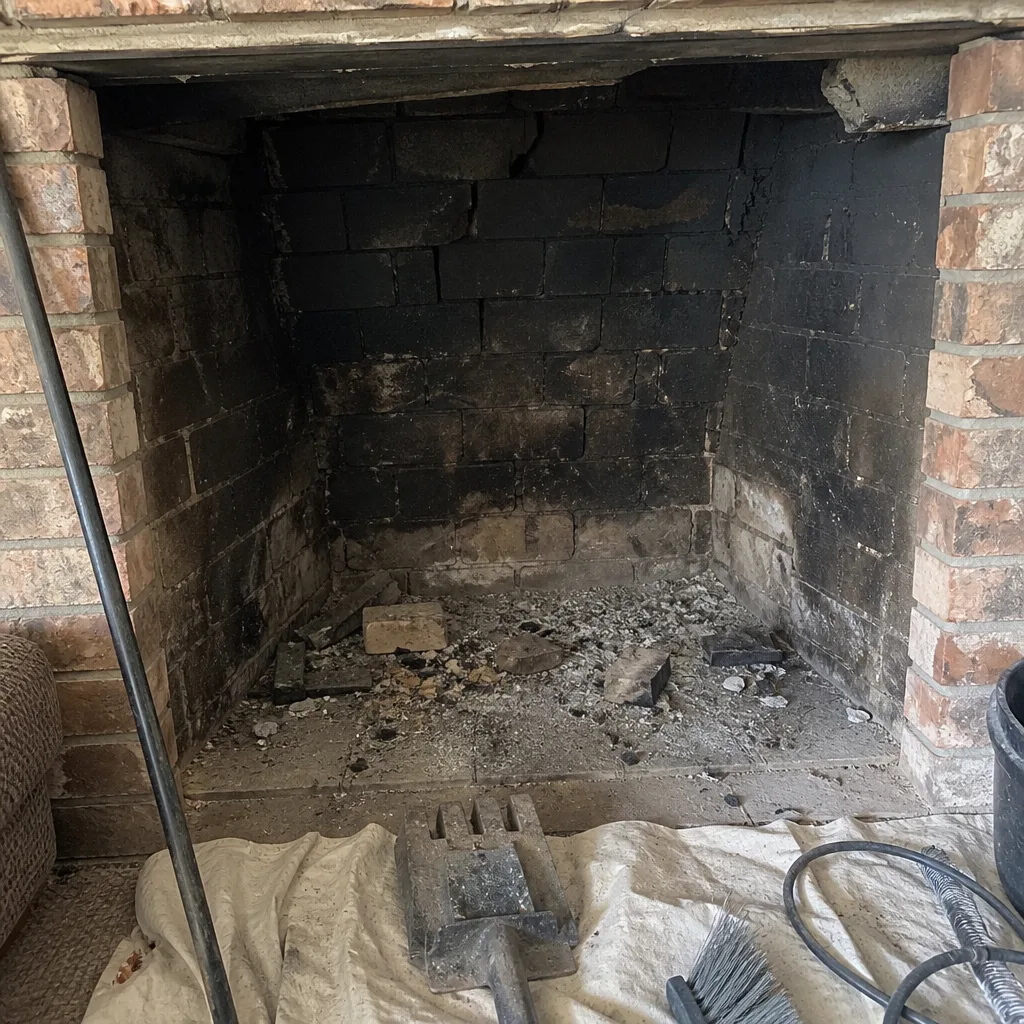
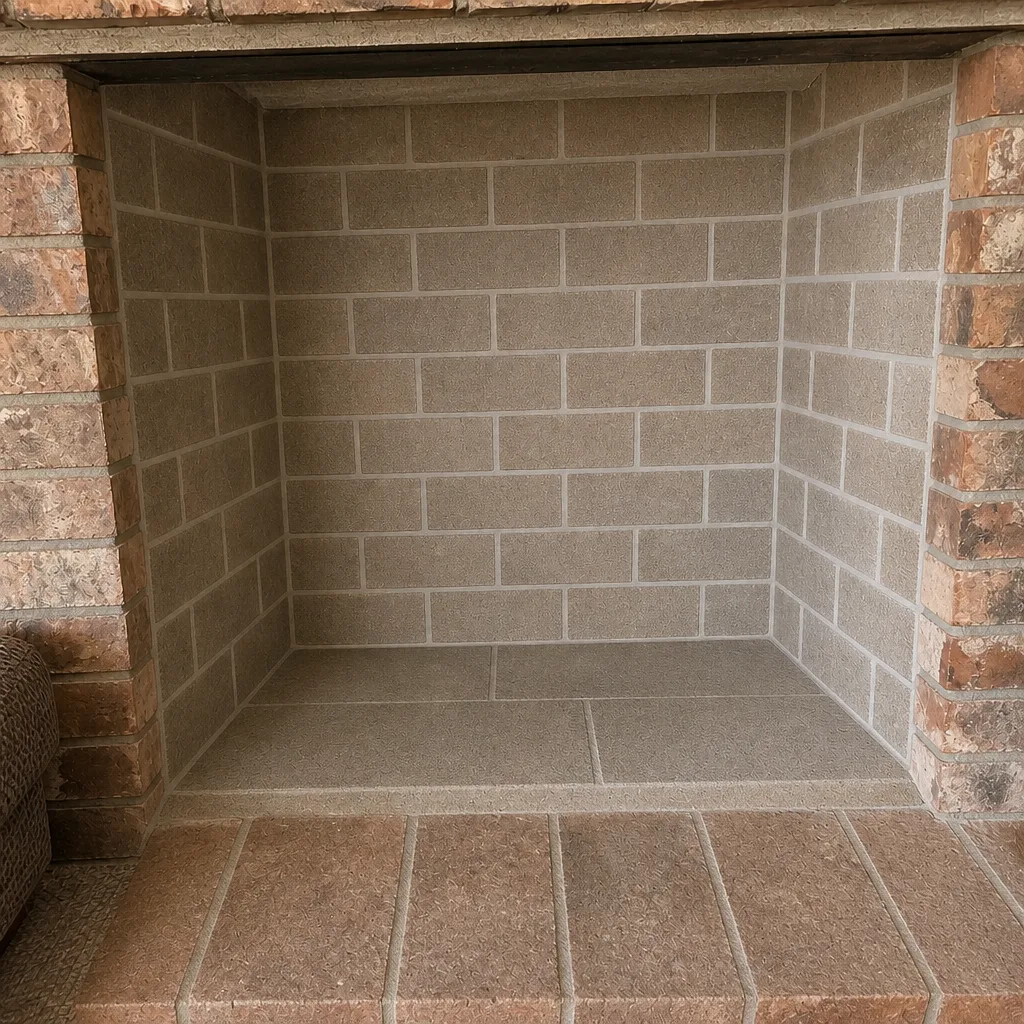
See the difference
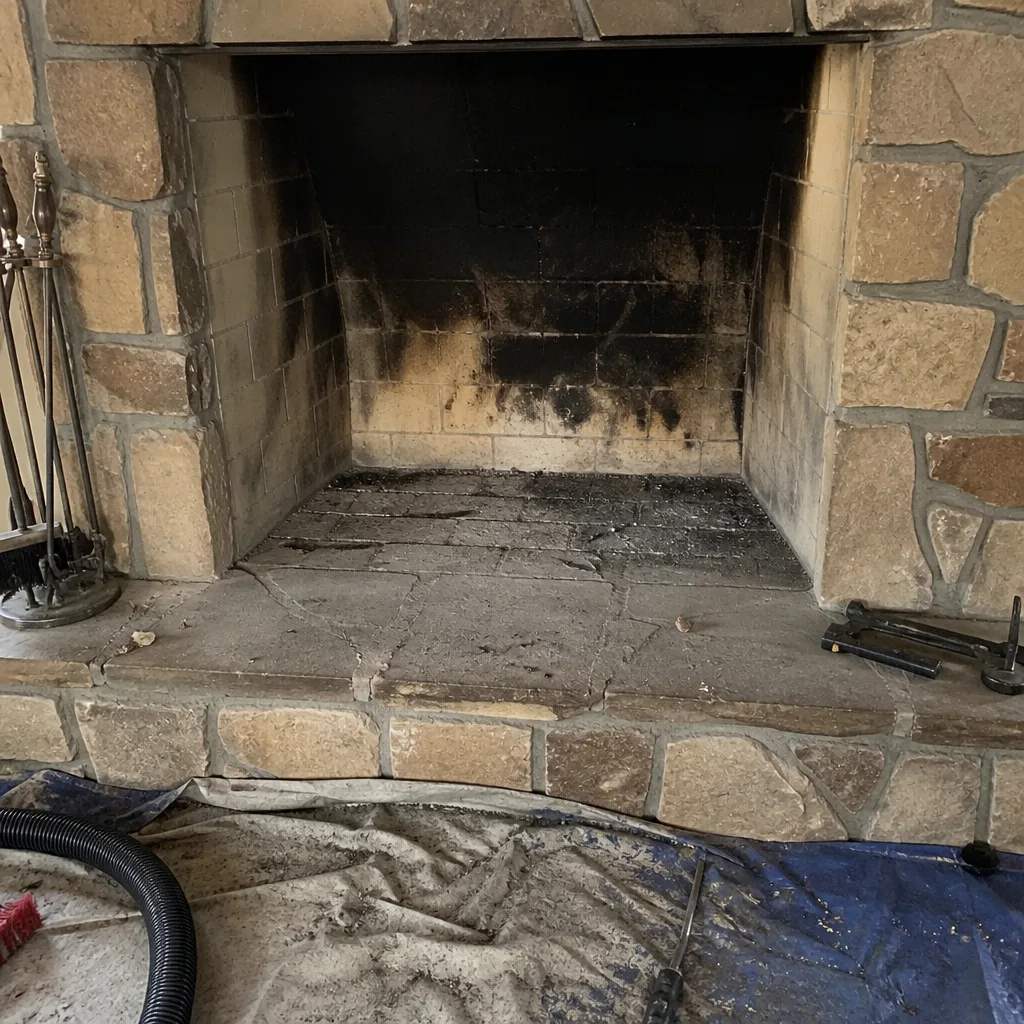 Before
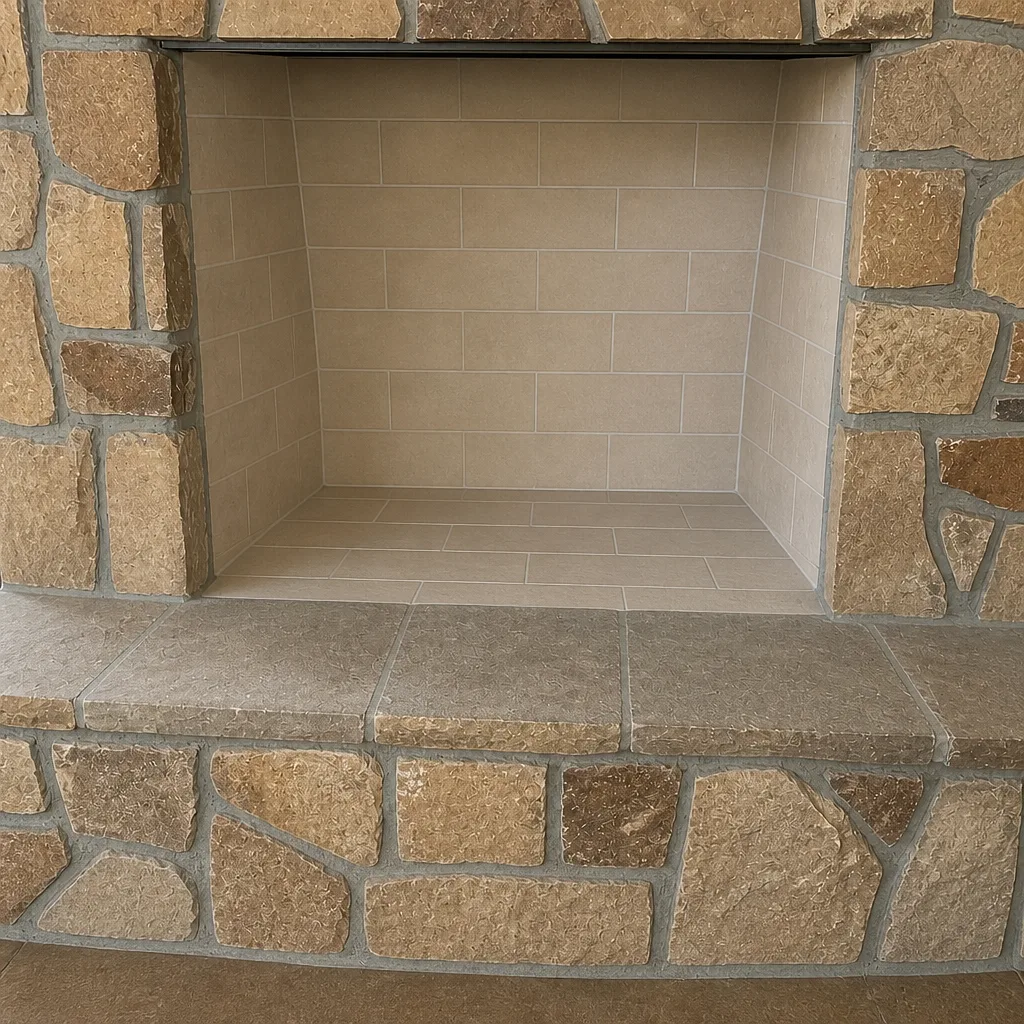 After
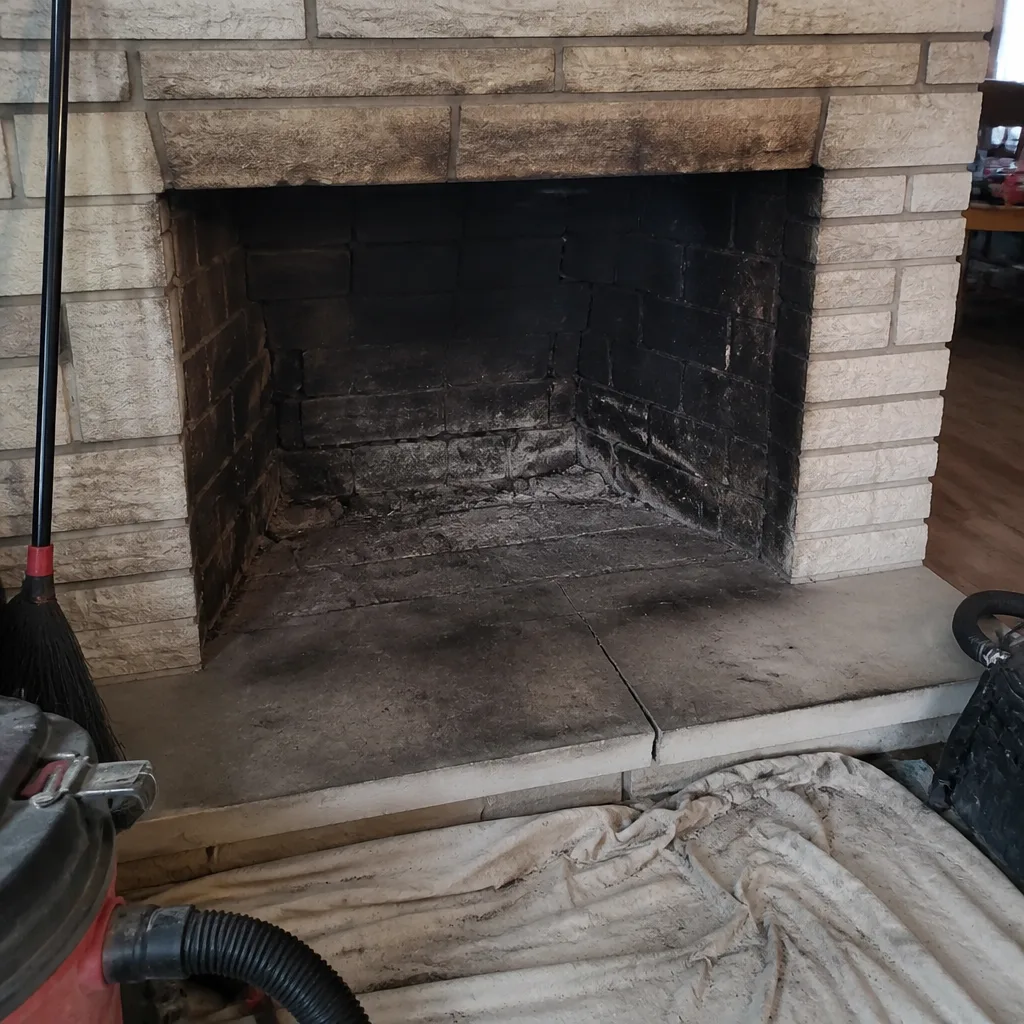 Before
 After
 Before
 After
When to Call a Professional
Call a professional chimney sweep when you don’t know the condition of your liner, when the flue shows glazed creosote or visible damage, when draft problems appear, when the home is being bought or sold, or when the last inspection is more than a few years old. Call if you’ve been brushing the flue yourself and aren’t sure a camera has ever been down there. Call if the cap is damaged or the crown is cracked. Call if the firebox shows cracks, loose brick, or a damaged damper. These are the cases where a trained eye and proper equipment are the difference between a working chimney and a hazard. Chimney Sweep Layton offers free estimates for chimney work in Layton – call (888) 861-5852. We answer 24/7. Fast dispatch from 7am to 7pm, Sunday through Friday.
Frequently Asked Questions
You can physically brush a chimney yourself, but you can’t inspect it the way it needs to be inspected. DIY brushing removes soot and light creosote but doesn’t check for liner cracks, measure creosote stage, or test draft. For a newer home with a known-good liner and recent professional inspections, an interim brushing is reasonable. For anything older, heavily used, or showing signs of trouble, the brush doesn’t reach the part that matters. Call (888) 861-5852 for a professiona
l assessment – estimates are free.
Most fireplaces that see regular use benefit from annual cleaning and inspection, which is the standard the trade works from. A home with light, occasional use may go longer between cleanings if the inspection confirms the system is sound, and a home that burns hard through Layton’s cold winters generally benefits from sticking to the annual schedule. The written inspection report is what sets your actual interval. Call (888) 861-5852 to book an inspection – estimates are free.
A DIY brushing removes surface soot from an accessible flue. A professional cleaning removes soot and creosote, grades the creosote stage, runs a camera down the liner, tests draft, inspects the crown and cap from the roof, and produces a written report with footage. The cleaning half is similar. The inspection half is entirely missing from DIY, and the inspection half is the one that tells you whether the chimney is safe to use. Call (888) 861-5852 to schedule a professional cleaning – estimates are free.
The flue looks clean, and you have no idea whether it’s safe. Hairline cracks in a clay tile liner, glazed creosote that brushing won’t touch, and cracked crowns all develop silently and none of them are detected by a brush. The risks are creosote ignition inside the flue and carbon monoxide migrating through a compromised liner. Those outcomes are rare but real, and they’re exactly the ones the inspection exists to catch. Call (888) 861-5852 for an inspection – estimates are free.
It can complicate the claim process. Insurers routinely ask for evidence of maintenance when a chimney fire is filed, and a professional inspection report with photos and footage is straightforward documentation. A homeowner’s own word that they brushed the flue last spring is harder to work with. The chimney may still be covered as a sudden accidental event, but the documentation burden shifts. A standalone inspection report is one of the simplest pieces of evidence to have on hand. Call (888) 861-5852 – estimates are free.
Yes, and it’s one of the most common reasons we see liner damage in Layton homes from the 1970s through the 1990s. Clay tile is brittle, and after decades of heat cycling it develops spalling and hairline cracks. A stiff brush catching a rough tile edge or a weakened joint can chip it further, sometimes turning a reparable liner into one that needs relining. If your liner is old or in unknown condition, inspection before any brushing – yours or ours – is the safer order. Call (888) 861-5852 – estimates are free.
The Bottom Line
DIY chimney cleaning is fine as an interim brushing on a system you already know is sound. It is not a substitute for inspection, and the inspection is the part that actually tells you whether your chimney is safe to use. Layton’s older clay tile systems make that distinction sharper than most places, and the absence of documentation is a bigger problem than the absence of a brush. If you’re going to remember one thing from this guide, it’s this: the clean flue and the safe flue are not always the same flue. Know which one you have before you light the next fire. One company can handle the sweep, the inspection, the repair, and the cap, and we’ll tell you plainly when your chimney can safely wait.
To book a professional Chimney Sweep Layton visit, call (888) 861-5852 for a free estimate. We answer 24/7. Fast dispatch from 7am to 7pm, Sunday through Friday.
Written by the team at Chimney Sweep Layton.